Temperature20 – 24 °C
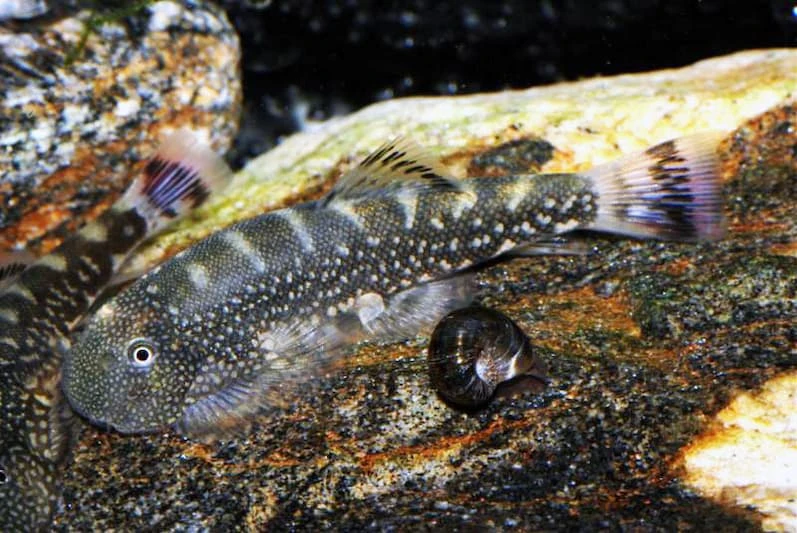
Among the representatives of the genus Gastromyzon, Gastromyzon farragus — such is its scientific name — is one of the most common species in the aquarium trade. This fish, belonging to the family Balitoridae (river loaches), is often supplied in mixed batches to European and American markets, which is explained by its great similarity to other closely related species.
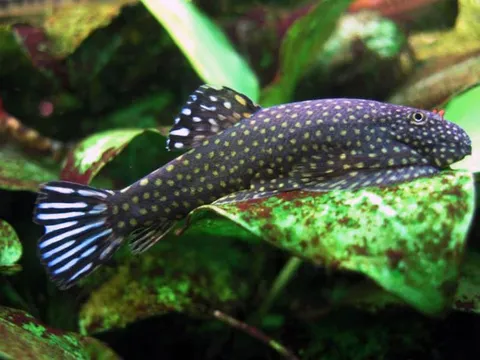
Gastromyzon farragus is a small fish, reaching about 4 cm in length. The body is strongly flattened dorsoventrally, which, in combination with modified pectoral and pelvic fins fused into a peculiar suction cup, allows the fish to firmly hold onto rocks in strong currents. The body coloration is dark brown, the dorsal surface is adorned with 9–10 thin cream stripes, and there are spots and speckles on the sides. The caudal fin has a characteristic reddish-orange coloration. Females are usually larger than males and have a more rounded head shape.
The species is endemic to the island of Borneo (Kalimantan), inhabiting exclusively the tributaries of the Sadong River basin in Sarawak State, Malaysia. In nature, it inhabits shallow sections of mountain streams and rivers with clear, oxygen-rich water and fast currents. It prefers areas with a rocky bottom, consisting of gravel, boulders, and rock formations covered with a dense layer of algal growth (biofilm).
This is a peaceful but territorial fish, active mainly during the day. In the aquarium, Gastromyzon often occupy specific areas on rocks or glass, defending them from conspecifics. Intraspecific skirmishes are ritualistic and rarely result in injuries. To exhibit natural social behavior, it is recommended to keep a group of 4 or more individuals. They are compatible with small, peaceful fish species inhabiting the water column, as well as with other inhabitants of fast-flowing rivers.
For keeping a group, an aquarium of at least 60 liters is required, with effective filtration providing a strong water flow and a high concentration of dissolved oxygen. It is essential to have a large number of smooth stones and pebbles on which algae will grow. Water parameters: temperature 20–24 °C, pH 6.0–7.5, hardness 2–12 dGH. The aquarium should be covered with a tight lid, as the fish are capable of moving along vertical surfaces and leaving the tank.
In nature, the diet consists mainly of algae and microorganisms (biofilm) scraped from hard surfaces. In the aquarium, it is necessary to ensure the presence of natural algal growth on rocks. If these are insufficient, the fish will accept high-quality dry foods in the form of tablets or granules, as well as frozen foods such as bloodworms or brine shrimp. It is important to avoid overfeeding with high-protein food, as this can negatively affect the digestive system.
Breeding in the aquarium is difficult and rare. Spawning is stimulated by imitating seasonal changes in conditions, including increased temperature and abundant feeding. Eggs are laid on the substrate, and the incubation period is several days. Fry require natural algal growth in the aquarium for feeding during the first weeks of life.
Fish are sensitive to water quality and low oxygen levels. The main problems are bacterial infections that develop with poor hygiene, and emaciation due to a lack of suitable food. Signs of stress or illness include pale coloration, refusal to eat, and lethargy. Prevention involves maintaining stable water parameters, regular water changes, and ensuring powerful aeration.
When purchasing, choose active individuals that are constantly moving on surfaces or attached to them. It is important to pay attention to the fish's plumpness: a sunken belly is a sign of prolonged starvation and emaciation, which often leads to death after purchase. Avoid individuals with visible fin damage or film on the body. It is advisable to acquire fish that are already adapted to aquarium conditions and show interest in the offered food.
The essentials: size, tank volume, water parameters and care
An adult reaches 4 cm in length. Plan the tank around the maximum size: the fish quickly outgrows a cramped setup.
The recommended volume is 60 L. A smaller tank speeds up nitrate build-up and raises stress levels.
Temperature 20–24 °C, pH 6–7.5, hardness 2–12 dGH. Stability matters more than exact values: sudden swings are harder on the fish than a small deviation from the ideal.
Around 5 years when kept properly. Lifespan depends directly on tank volume, water quality and a varied diet.
Temperament: peaceful (regular). Keep this in mind when choosing tank mates.
Recommended setup: small group (3–4 individuals). Ignoring this is a common cause of stress and disease.
Diet type: plant-based (algae, vegetables). Feed small portions that are finished within a couple of minutes — overfeeding does more harm than underfeeding.
The scientific name of the species is Gastromyzon farragus, family River Loaches (Balitoridae).
The water suits 196 of 208 plants in the catalogue — the easiest ones are shown first.
Afzelius's AnubiasAnacharisAnubiasBrazilian PennywortDwarf CloverDwarf CloverDwarf HygrophilaDwarf SagittariaDwarf ValGuppy GrassHornwortJava FernJava MossMoneywortMud SwordNarrow Leaf AnacharisNarrow-leaf CloverStringy MossSüsswassertangTaiwan MossTape GrassTemple PlantUssuri WatermilfoilWater Wisteria
Matched by family, categories and overlapping keeping conditions
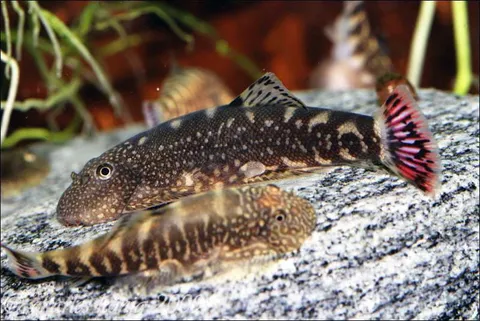
Gastromyzon ocellatus
Gastromyzon ocellatus is an aquarium inhabitant from the family Balitoridae, also known as River Loaches. Its natural habitat is strictly limited to the island of Borneo: in the wild, it is found only in the Sarawak…
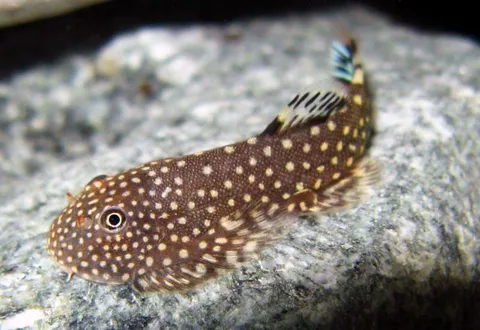
Gastromyzon scitulus
Gastromyzon scitulus, also known as the Gastromyzon scitulus, belongs to the family Balitoridae, which includes river loaches. This fish is endemic to the island of Borneo, its natural range being limited to tributaries…
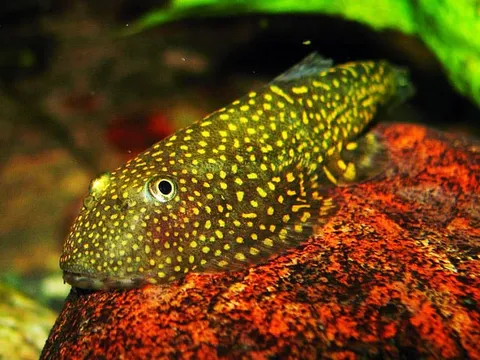
Gastromyzon stellatus
Endemic to the island of Borneo, Gastromyzon stellatus is known from the Sarawak, Sadong and Lupar river drainages in the south of the Malaysian state of Sarawak, in the north-west of the island. This species belongs to…
Gastromyzon ctenocephalus
Gastromyzon ctenocephalus, also known as the Gastromyzon ctenocephalus, belongs to the family Balitoridae, which includes river loaches. This fish is endemic to the island of Borneo, or Kalimantan, and is found…