- Light
- low
- Difficulty
- very easy
- Height
- 5 – 30 cm (2 – 12 in)
- Temperature
- 4 – 30 °C (39 – 86 °F)
- Alabama
- Alaska
- Albania
- Alberta
- Algeria
- Altay
- Amur
- Angola
- Argentina Northeast
- Argentina Northwest
- Argentina South
- Arizona
- Arkansas
- Assam
- Austria
- Azores
- Baleares
- Baltic States
- Bangladesh
- Belarus
- Belgium
- Benin
- Bermuda
- Bolivia
- Borneo
- Botswana
- Brazil South
- British Columbia
- Bulgaria
- Burkina
- Burundi
- Buryatiya
- California
- Cambodia
- Cameroon
- Canary Is.
- Caprivi Strip
- Central African Republic
- Central European Russia
- Chad
- Chile Central
- China North-Central
- China South-Central
- China Southeast
- Chita
- Colombia
- Colorado
- Congo
- Connecticut
- Corse
- Costa Rica
- Cuba
- Czechia-Slovakia
- DR Congo
- Delaware
- Denmark
- District of Columbia
- Dominican Republic
- East Aegean Is.
- East European Russia
- Egypt
- El Salvador
- Eritrea
- Ethiopia
- Fiji
- Finland
- Florida
- France
- Free State
- Gabon
- Georgia
- Germany
- Ghana
- Great Britain
- Greece
- Guatemala
- Guinea-Bissau
- Haiti
- Honduras
- Hungary
- Idaho
- Illinois
- Indiana
- India
- Inner Mongolia
- Iowa
- Iran
- Iraq
Tank conditions
- Leaf colour
- green
- Plant type
- stem plant
- Growth rate
- very fast
- CO₂ demand
- low
- Tolerates light
- medium – high
- Carbonate hardness
- 5 – 24 °dKH
- Placement
- background, spawning plant +2 background, spawning plant, midground, surface
- Propagation
- fragmentation, cuttings
- Grows emersed
- no
Care and keeping
Appearance
Keeping
Placement
Propagation
Fish and this plant
Water conditions match
The water suits 1017 of 1249 species in the catalogue — these are the ones people look up most often.
Swordtail GuppiesCobra GuppyBlood Red MollyButterflyfishRed Zebra CichlidJulii CorydorasRed-finned ParotocinclusGastromyzon monticolaEgg-shaped GoldfishFlame TetraGardner's KillifishAfrican TetraKenyi CichlidCuckoo CatfishGolden SwordtailHypsolebias picturatusCommon ZaccoLabeo BicolorGambusiaFlying barbGastromyzon scitulusAlbino Zebra DanioGeophagus BrokopondoZebra Mbuna
Will eat this plant
These species damage plants, especially when their diet is short of vegetable food.
Bengal LoachZebra LoachBurmese Border LoachEmperor BotiaSpined LoachMarbled HeadstanderPellegrin's LeporinusLeporinus striatusFalse Black TetraCommon MetynnisMylossoma duriventreRed Whiptail CatfishMolly sphenopsBalloon MollyLyretail MollyMarble MollyHi-Fin PlatyHawaii PlatyBlue PlatyPintail PlatyBlack PlatyChocolate MollyMoonlight GouramiMelanotaenia parva
Will uproot it
These species dig through the substrate and pull rooted plants out.
Marble LoachPeacock EelForktail LoachGuntea LoachLong-nosed LoachHorseface LoachPearlscaleBlack Moor GoldfishShubunkinPainted PlecoFeatherfin SynodontisReddish Mystus CatfishBlue AcaraAulonocara maylandiAulonocara multicolorAulonocara OrchidGeophagus altifronsGeophagus winemilleriPearlscale CichlidPearl CichlidRedbelly CichlidRed-spotted CichlidChuco godmanniHaplochromis philanderRed ChromideJack Dempsey cichlid
Matching water does not mean the fish will leave the plant alone.
Cultivars
The same plant with a different look: light, water and care are shared with the species.
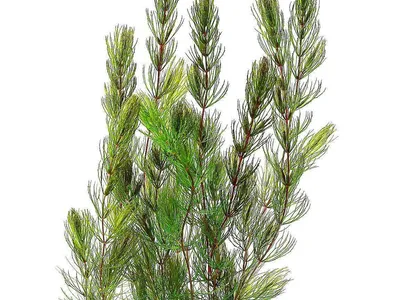
Other varieties: Ceratophyllum demersum Foxtail
Scientific and other names, conservation status
- Other scientific names
- Ceratophyllum aquaticum, Ceratophyllum aquaticum demersum, Ceratophyllum asperum, Ceratophyllum cornutum, Ceratophyllum demersum adei, Ceratophyllum demersum tuberculatum, Ceratophyllum demersum apiculatum, Ceratophyllum demersum commune, Ceratophyllum demersum commutatum, Ceratophyllum demersum inflatum, Ceratophyllum demersum notachanthum, Ceratophyllum demersum oxyacanthum, Ceratophyllum demersum pentacanthum, Ceratophyllum demersum platyacanthum, Ceratophyllum demersum strypense, Ceratophyllum demersum tricorne, Ceratophyllum gibbum, Ceratophyllum indicum, Ceratophyllum oxyacanthum, Ceratophyllum submersum apiculatum, Ceratophyllum submersum demersum, Ceratophyllum tricorne, Ceratophyllum tricuspidatum, Ceratophyllum tuberculatum, Ceratophyllum verticillatum, Ceratophyllum vulgare, Ceratophyllum vulgare oxyacanthum, Dichotophyllum demersum
- Ceratophyllum demersum
- L.
- Family
- Ceratophyllaceae
- Conservation status
- LC