Temperature21 – 26 °C
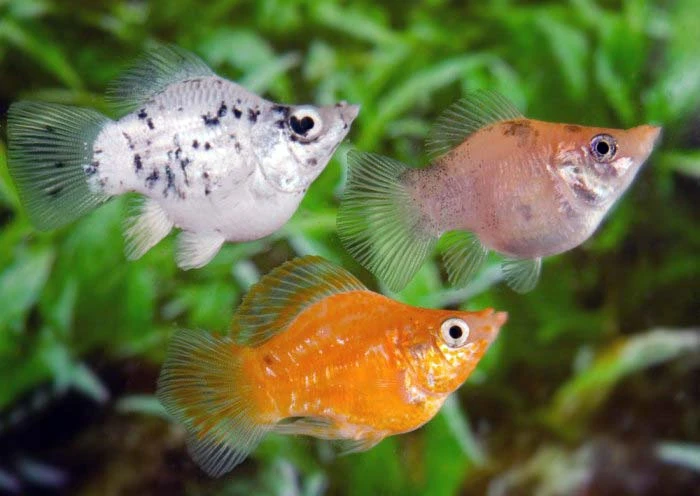
The Balloon Molly, also known as the Balloon Molly, is called the Balloon Molly in English-speaking trade. This common name is given to selective breeding forms obtained by breeding based on Poecilia sphenops, Poecilia velifera, Poecilia latipinna, or their hybrids.
The Balloon Molly is a selective breeding form characterized by a distinctive shortened body and a greatly inflated abdomen, which is due to a congenital spinal curvature. The fish have diverse coloration, including black, gold, marble, and silver forms, as well as veil fins. Sexual dimorphism is expressed in the size and structure of the anal fin: in males, it is transformed into a pointed organ for mating — the gonopodium, while in females, it has a rounded shape. Depending on the keeping conditions and genetics, the size of individuals can vary from 2 to 13 cm.
This species is not found in nature, as it is a result of selective breeding. The original forms, such as Poecilia sphenops, inhabit fresh and brackish waters of Central and South America, including coastal areas, river mouths, and lagoons. Natural biotopes are characterized by abundant vegetation and the fish's ability to adapt to water with varying salinity levels.
These are peaceful and active fish, suitable for keeping in a community tank with non-aggressive tankmates of comparable size. Intraspecific interactions may involve active courtship of females by males, so it is recommended to keep them in groups with a predominance of females to reduce stress. For comfortable existence, the aquarium should be equipped with a sufficient number of shelters and live plants.
For a small group of 3–4 fish, an aquarium of 100 liters or more will be optimal. When setting up the tank, it is important to provide dense thickets of aquatic plants; they will serve as shelter for less strong or subdominant individuals, protecting them from excessive attention from more active neighbors, which is especially important in small aquariums. These fish adapt well to various environmental conditions, feeling perfectly comfortable in both soft and hard water, as well as in brackish environments, which significantly simplifies the water preparation process. The Balloon Molly peacefully coexists with most calm species of similar size. However, due to its unique body structure, it is quite slow, which often leads to losing out in competition for food with more agile inhabitants. For this reason, it is recommended to keep Balloon Mollies either in a species-specific tank or in the company of equally slow or bottom-dwelling species, such as Corydoras catfish. Balloon Mollies are omnivorous: they readily consume both dry and frozen and live foods. Nevertheless, their diet should be rich in plant components; without enough, the fish may damage delicate parts of aquarium plants.
Mollies are omnivorous, but their diet must include plant components. High-quality dry foods containing spirulina, as well as blanched vegetables such as zucchini or lettuce, are suitable for feeding. The fish are prone to overeating, so it is recommended to feed them small portions 1–2 times a day and occasionally arrange fasting days.
Breeding is considered easy because the fish are livebearers. Fertilization occurs inside the female's body, after which she carries the fry for 30–40 days. To preserve the offspring, it is recommended to move the pregnant female to a separate aquarium with dense plant thickets. The fry are born fully formed and are immediately capable of feeding on small foods, including Artemia nauplii or specialized powdered mixtures.
Due to their specific spinal structure, these fish can be more sensitive to keeping conditions than their wild relatives. Common problems include fungal and bacterial skin infections, often arising from poor water quality or low temperatures. Prevention involves maintaining stable water parameters, regular water changes, and using aquarium salt in moderate concentrations to boost immunity.
When purchasing, choose active fish with clean fins and no visible damage or white film on their scales. It is important to avoid individuals showing signs of emaciation, sunken bellies, or unnaturally clamped fins. Since the balloon form is a result of selective breeding, it is essential to carefully inspect the fish for any wounds or sores that may be a consequence of improper keeping in the retail aquarium.
The essentials: size, tank volume, water parameters and care
An adult reaches 8–12 cm in length. Plan the tank around the maximum size: the fish quickly outgrows a cramped setup.
The recommended volume is 150 L. A smaller tank speeds up nitrate build-up and raises stress levels.
Temperature 21–26 °C, pH 7–8.5, hardness 15–30 dGH. Stability matters more than exact values: sudden swings are harder on the fish than a small deviation from the ideal.
Around 4 years when kept properly. Lifespan depends directly on tank volume, water quality and a varied diet.
Temperament: peaceful (regular). Keep this in mind when choosing tank mates.
Recommended setup: mixed (solitary / pair / group). Ignoring this is a common cause of stress and disease.
Diet type: mixed diet (meat + plant-based). Feed small portions that are finished within a couple of minutes — overfeeding does more harm than underfeeding.
The scientific name of the species is Poecilia sphenops, family Poeciliidae. It also appears in the literature as: Gambusia modesta, Gambusia plumbea, Lembesseia parvianalis.
This fish damages plants, especially when its diet is short of vegetable food.
African Onion PlantAfzelius's AnubiasAmazon FrogbitAmazon SwordAnacharisAnubiasArrowhead CryptAsian WatermossBalansa Water TrumpetBanana PlantBarth's SwordBeckett's Water TrumpetBlue BuceBoivin's AponogetonBroad-leaf Water SpriteBrookweedChristmas MossCognac AmmanniaCongo AnubiasCreeping JennyCreeping SpotflowerCrinkled AponogetonDark SwordDelta ArrowheadDense MayacaDitch StonecropDwarf AmbuliaDwarf CloverDwarf CloverDwarf HairgrassDwarf HygrophilaDwarf RanalismaDwarf RotalaDwarf SagittariaDwarf ValDwarf Water TrumpetEelgrassFanwortFeathered LimnophilaFloating Aponogeton
Matched by family, categories and overlapping keeping conditions
Poecilia sphenops
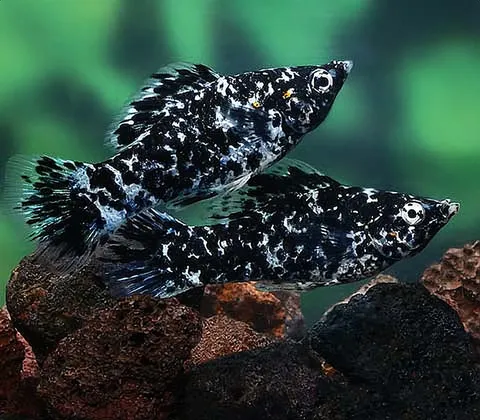
The collective term “black and white molly” usually refers to several selective breeding forms, distinguished by their characteristic body coloration, where white and black tones predominate. Examples of such forms…
Poecilia sphenops
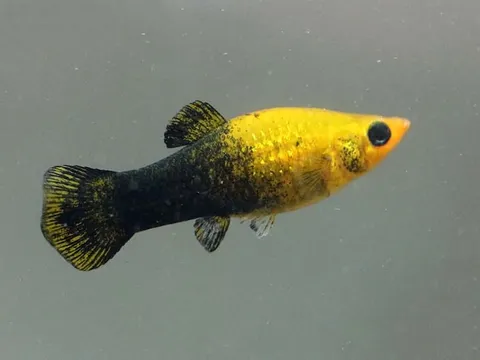
The Black and Yellow Molly, also known as the “Gold Dust Molly,” gets its names from the English trade names Gold And Black Molly Fish and Gold Dust Molly, respectively. These names refer to a color morph of Poecilia…
Poecilia sphenops
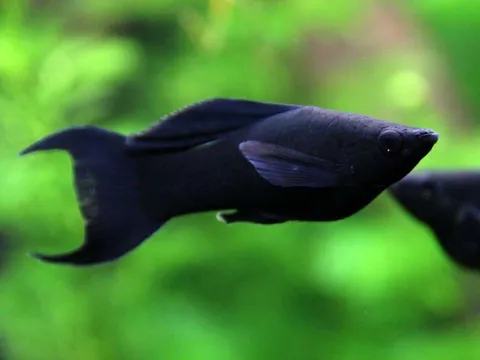
The Black Molly, often simply called Black Molly, is apparently a selective color variation of the well-known Sailfin Molly (Poecilia sphenops). At the same time, some authoritative breeders prefer the version that it…
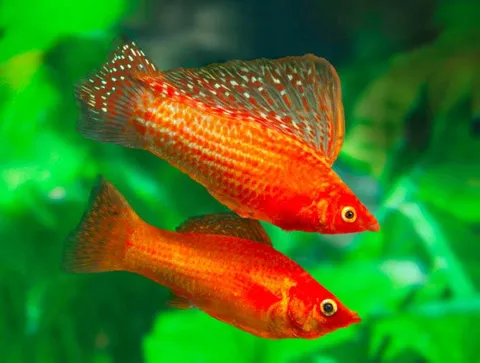
Poecilia sphenops
The Blood Red Molly, often called Blood Red Molly in English-speaking countries, is a vibrant color variation developed through selective breeding of certain Molly species. Its distinguishing feature is its intense red…