Livebearers
Species in the catalogue: 92
Page 1 of 2
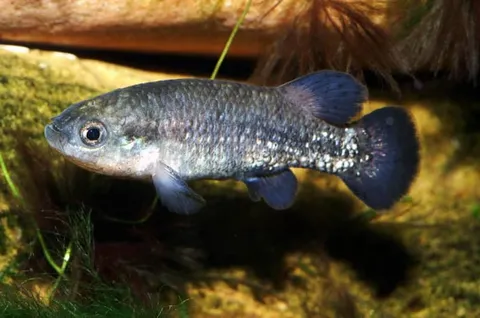
"Black Prince"
Goodeidae
Characodon audax
The Bold Characodon, also known as the "Black Prince" (scientific name Characodon audax), belongs to the family Goodeidae. This fish is quite rare and unique. Despite its relatively modest coloration, it attracts…
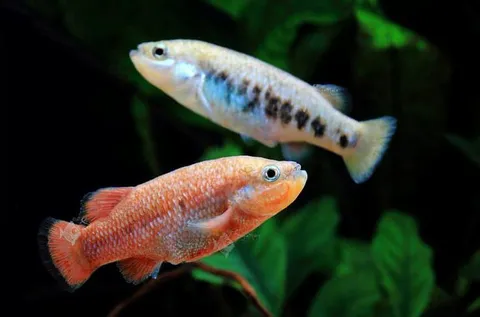
"Red Prince"
Goodeidae
Characodon lateralis
The fish known as the "Red Prince" (scientific name Characodon lateralis) belongs to the Goodeidae family. Its unpretentiousness and hardiness, along with ease of breeding and maintenance, as well as the vibrant colors…
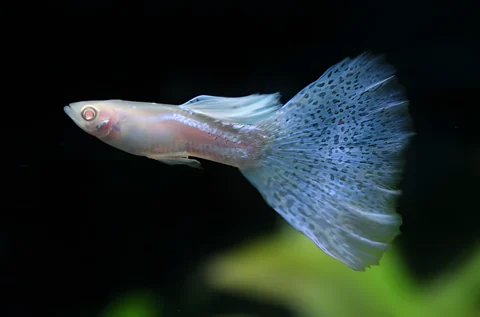
Albino Guppy
Poeciliidae
Poecilia reticulata
The Albino Guppy, belonging to the Poeciliidae family, is known by its scientific name Poecilia reticulata (Albino variety). A distinctive feature of this fish is the congenital absence of melanin – the black pigment in…
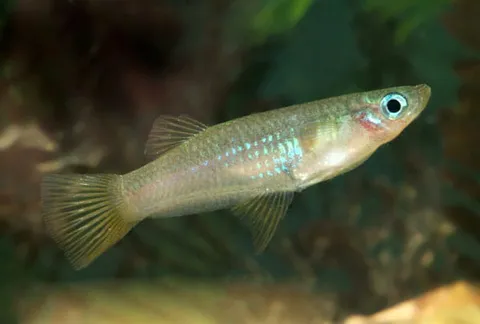
Alfaro cultratus
Poeciliidae
Alfaro cultratus
Alfaro cultratus, also known as the knife-edged livebearer, belongs to the family Poeciliidae. This fish is distinguished by its hardiness and unpretentiousness, which means it does not have special requirements for…
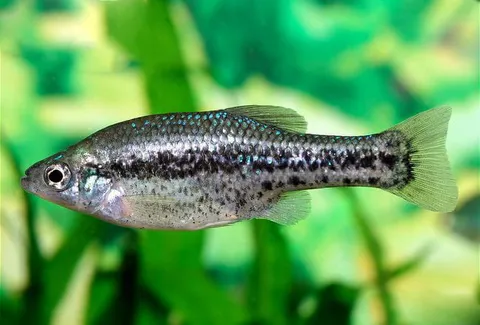
Ameca splendens
Goodeidae
Ameca splendens
Ameca splendens belongs to the family Goodeidae. This fish is active and mobile, yet its temperament can be described as feisty. Such a character narrows the choice of possible tank mates, but observing it is very…
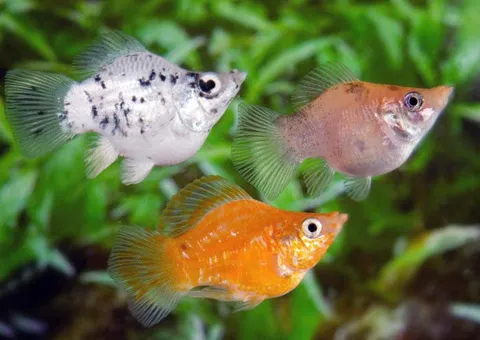
Balloon Molly
Poeciliidae
Poecilia sphenops
The Balloon Molly, also known as the Balloon Molly, is called the Balloon Molly in English-speaking trade. This common name is given to selective breeding forms obtained by breeding based on Poecilia sphenops, Poecilia…
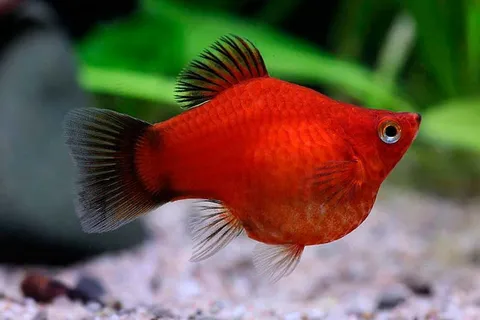
Balloon Platy
Poeciliidae
Xiphophorus maculatus
The Balloon Platy, also known as the Disc Platy, is known in the English-speaking commercial world as the Balloon Platy. A distinctive feature of this fish is its peculiar appearance: it has a strongly arched, hunched…
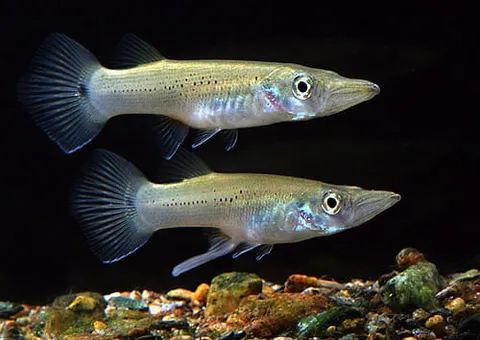
Belonesox
Poeciliidae
Belonesox belizanus
The Belonesox, scientifically known as Belonesox belizanus, is a member of the Poeciliidae family. Despite its relatively small size, this species is considered a formidable predator, preferring to hunt from ambush. Its…
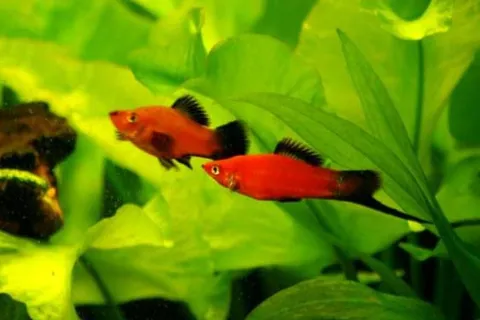
Berlin Swordtail
Poeciliidae
Xiphophorus hellerii
The Berlin Swordtail, known in the English-speaking world as the Red Wagtail Swordtail, is an artificially bred variety. This hybrid, resulting from the crossbreeding of the common Green Swordtail (Xiphophorus hellerii)…
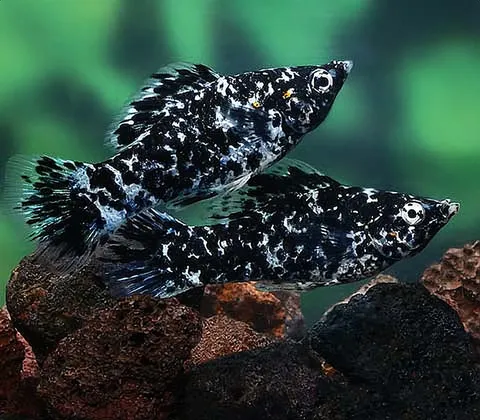
Black and White Molly
Poeciliidae
Poecilia sphenops
The collective term “black and white molly” usually refers to several selective breeding forms, distinguished by their characteristic body coloration, where white and black tones predominate. Examples of such forms…
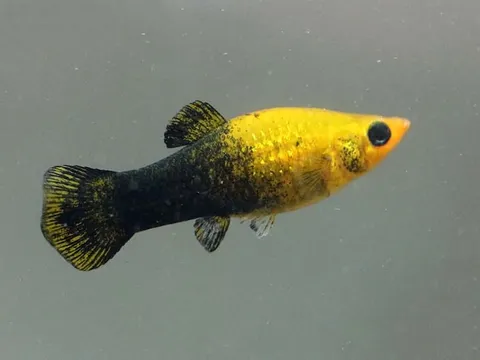
Black and Yellow Molly
Poeciliidae
Poecilia sphenops
The Black and Yellow Molly, also known as the “Gold Dust Molly,” gets its names from the English trade names Gold And Black Molly Fish and Gold Dust Molly, respectively. These names refer to a color morph of Poecilia…
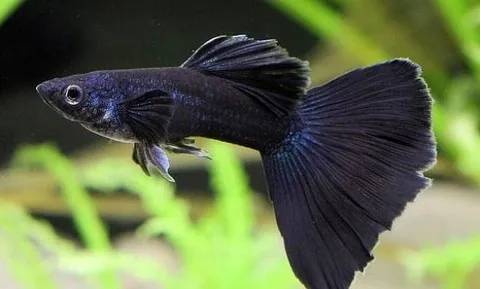
Black Guppies
Poeciliidae
Poecilia reticulata
Black Monk Guppies, also known as Black Guppies, are a breed of Poecilia reticulata (Black strain) from the Poeciliidae family. One of the main features of this variety is the pronounced dark body coloration in males.…
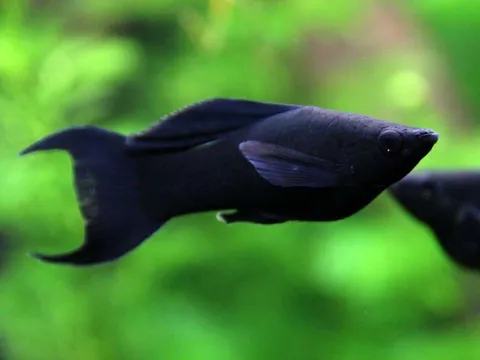
Black Molly
Poeciliidae
Poecilia sphenops
The Black Molly, often simply called Black Molly, is apparently a selective color variation of the well-known Sailfin Molly (Poecilia sphenops). At the same time, some authoritative breeders prefer the version that it…
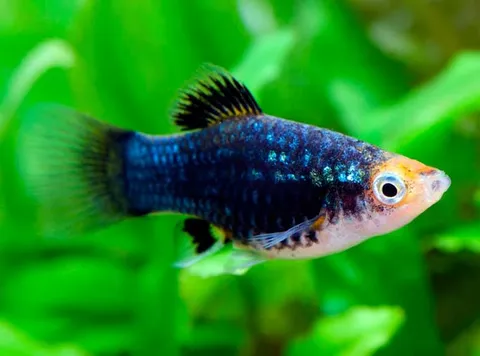
Black Platy
Poeciliidae
Xiphophorus maculatus
Platy Black is the trade name for this variety of Black Platy in the English-speaking market. This fish is not found in nature, as it is an artificially bred color variation derived from the common Platy (Xiphophorus…
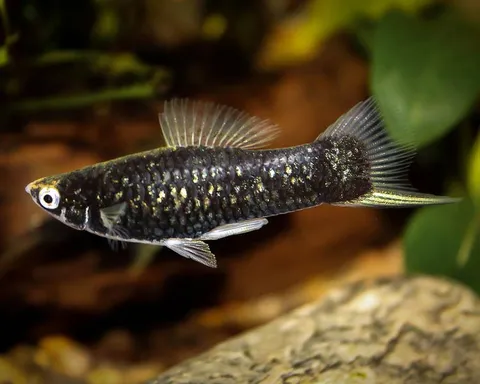
Black Swordtail
Poeciliidae
Xiphophorus hellerii
The Black Swordtail, scientifically known as Xiphophorus hellerii (Black variety), belongs to the Poeciliidae family. This fish is distinguished by its uniform dark body coloration, which gives it its name. Under…
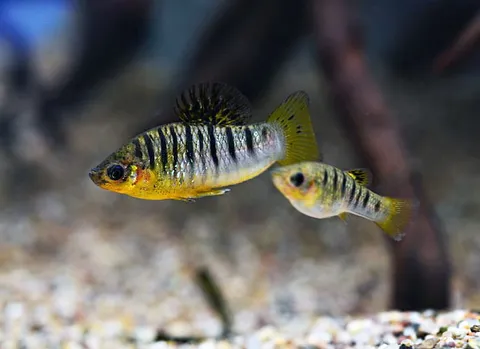
Blackbanded Limia
Poeciliidae
Limia nigrofasciata
Limia nigrofasciata, also known as the blackbanded limia, is part of the Poeciliidae family. This fish is easy to keep and breed in an aquarium and coexists well with various species, making it an excellent choice for…
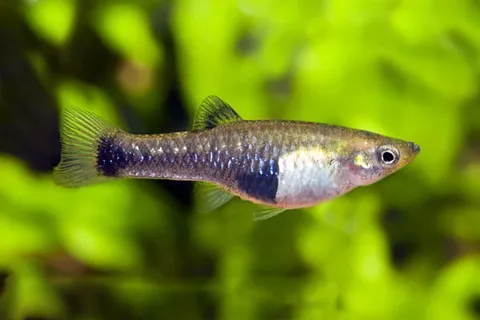
Blackbelly Limia
Poeciliidae
Limia melanogaster
Limia melanogaster, known as the Blackbelly Limia, belongs to the family Poeciliidae. These fish are characterized by their undemanding nature, successful breeding, and good compatibility with various tank mates. Such…
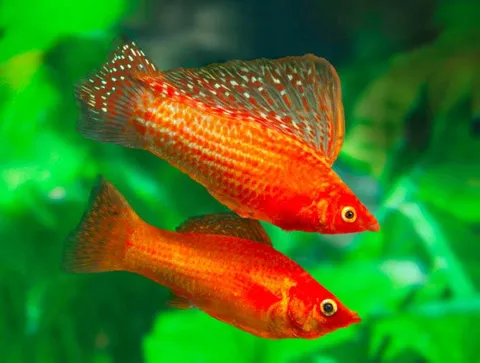
Blood Red Molly
Poeciliidae
Poecilia sphenops
The Blood Red Molly, often called Blood Red Molly in English-speaking countries, is a vibrant color variation developed through selective breeding of certain Molly species. Its distinguishing feature is its intense red…
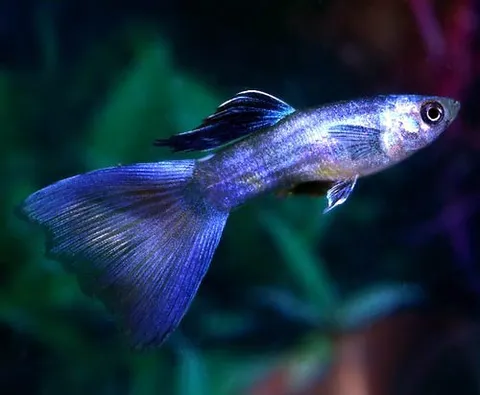
Blue Guppies
Poeciliidae
Poecilia reticulata
Blue Guppies, known scientifically as Poecilia reticulata (Blue variety), belong to the Poeciliidae family. This name is a generalization and encompasses various breeds where blue is the dominant color. It is mainly…
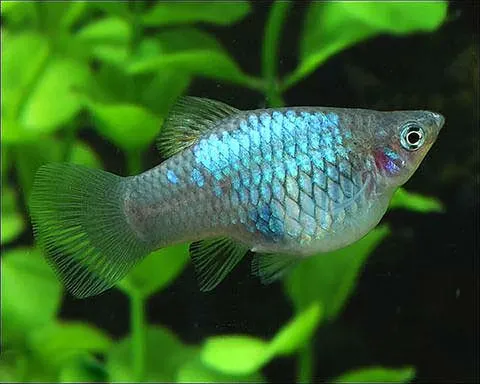
Blue Platy
Poeciliidae
Xiphophorus maculatus
The Blue Platy, also known by the commercial English names Platy Blue, Blue Moon Platy, and Platy Neon Blue, is a selectively bred form of the common Platy and does not exist in the wild. Its main distinguishing feature…
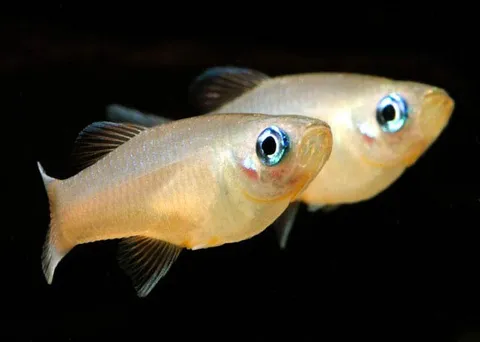
Blue-eyed Priapella
Poeciliidae
Priapella intermedia
Priapella intermedia, or the Blue-eyed Priapella, belongs to the family Poeciliidae, according to its scientific name. Its unpretentiousness in care and breeding makes this fish an excellent choice for those just…
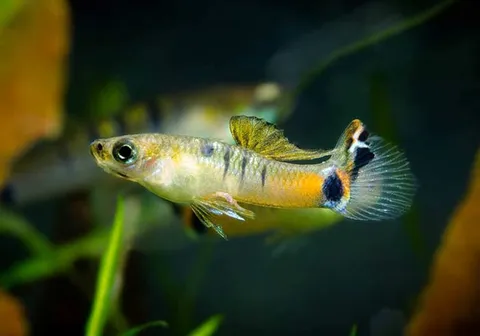
Branner's Micropoecilia
Poeciliidae
Micropoecilia branneri
The scientific name Micropoecilia branneri belongs to the species Branner's Micropoecilia, which is part of the Poeciliidae family. This fish originates from South America, where it can be found widely in various…
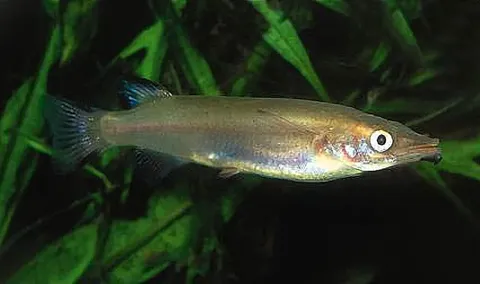
Brembach's Halfbeak
Halfbeaks (Zenarchopteridae)
Nomorhamphus brembachi
Nomorhamphus brembachi, or Brembach's Halfbeak, belongs to the family Zenarchopteridae. This fish is not often found in hobbyists' aquariums, which is due to its modest coloration. Sometimes it appears for sale along…
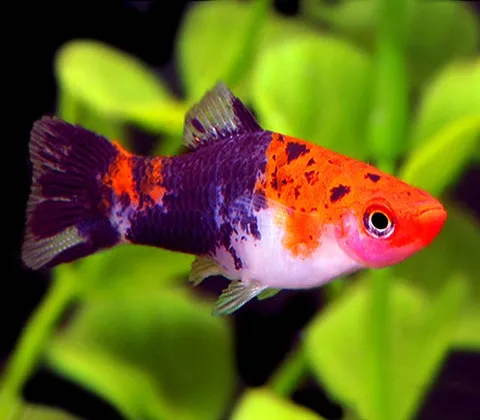
Calico Swordtail
Poeciliidae
Xiphophorus hellerii
The Calico Swordtail, known scientifically as Xiphophorus hellerii (Showa strain), belongs to the Poeciliidae family. This fish earned its name due to its body coloration, which resembles the pattern of the decorative…
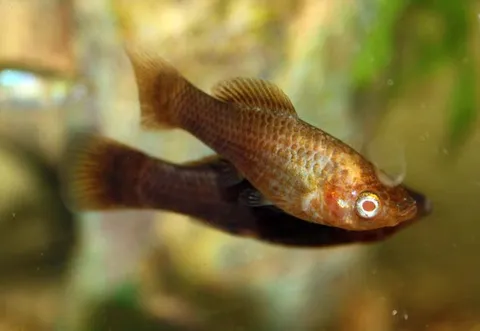
Chocolate Molly
Poeciliidae
Poecilia sphenops
Among the numerous selective breeding forms of mollies, the Chocolate Molly is frequently encountered, also known in the trade as Chocolate Molly. Its characteristic feature is the brownish coloration of its body and…
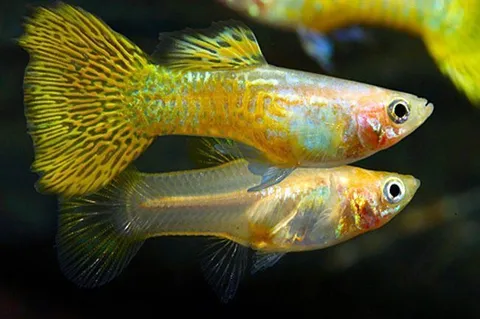
Cobra Guppy
Poeciliidae
Poecilia reticulata
The Cobra Guppy, scientifically known as Poecilia reticulata (Cobra variety), belongs to the family Poeciliidae. Its distinctive feature is a pattern of vertical stripes running along the posterior part of its body. The…
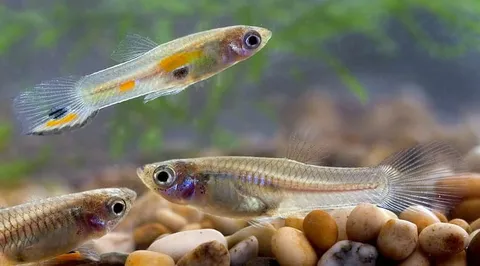
Common Guppy
Poeciliidae
Poecilia reticulata
The Common Guppy, also known as the Wild Guppy (scientific name Poecilia reticulata), belongs to the family Poeciliidae. It is distinguished from the numerous selective breeding forms developed by humans by its more…
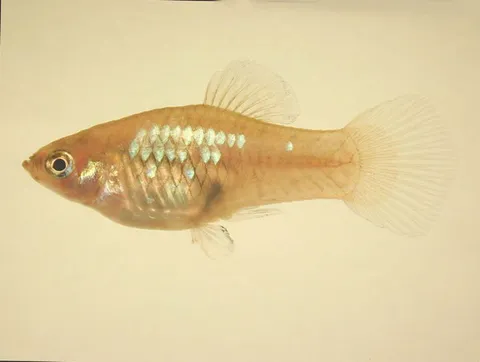
Common Platy
Poeciliidae
Xiphophorus maculatus
The Platy, or Spotted Platy (scientific name Xiphophorus maculatus), belongs to the family Poeciliidae. Its hardiness and vibrant coloration make it one of the most sought-after aquarium fish. However, it should be…
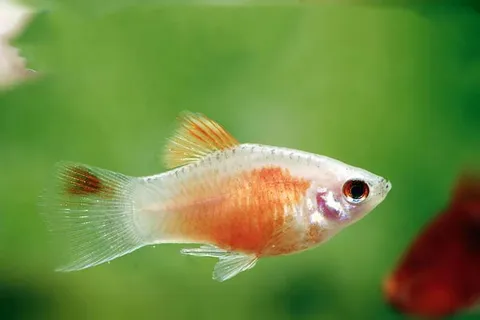
Coral Platy
Poeciliidae
Xiphophorus maculatus
The Coral Platy, also known as the Red and White Platy, is referred to as Platy Coral in the English-speaking market. This fish is a result of selective breeding, showcasing a unique color variation of the common Platy…
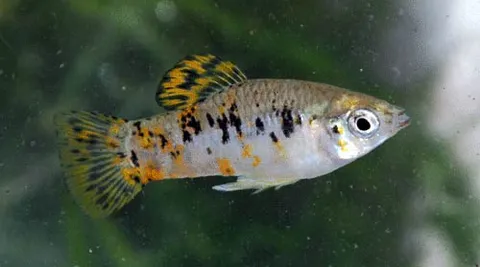
Cuban Limia
Poeciliidae
Limia vittata
Limia vittata, known as the mottled, striped, or Cuban limia, belongs to the family Poeciliidae. This aquarium fish is very popular; its care and breeding do not require special efforts, making it an excellent choice…
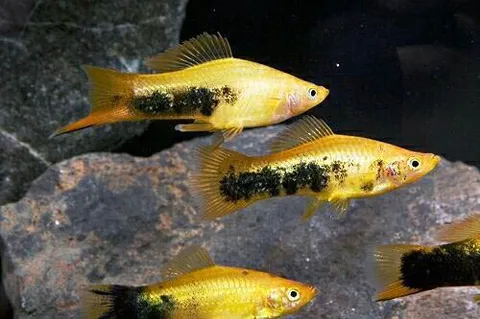
Cuban Swordtail
Poeciliidae
Xiphophorus hellerii
The Cuban Swordtail, known in the trade as the Tuxedo Swordtail, is the result of crossbreeding. This fish is a hybrid between the Green Swordtail and the Tuxedo Platy. From the former ancestor, males inherited the…
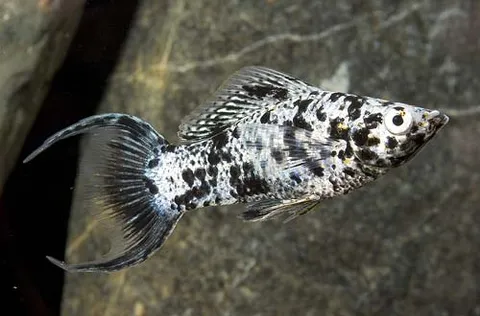
Dalmatian Molly
Poeciliidae
Poecilia sphenops
The Dalmatian Molly, known in English-speaking countries as the Molly Dalmatian, is a result of selective breeding and does not occur in natural conditions. Precise information about its origin has not been preserved,…
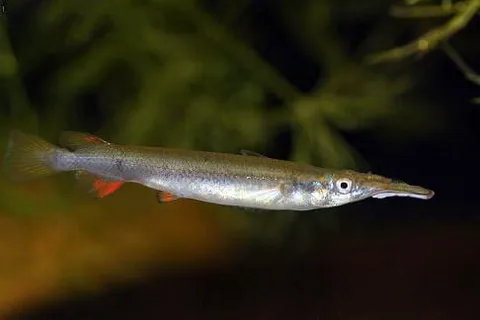
Dermogenys
Halfbeaks (Zenarchopteridae)
Dermogenys pusilla
Dermogenys, or the Malayan Halfbeak, is scientifically known as Dermogenys pusilla and belongs to the family Zenarchopteridae. This is a distinctive fish with a remarkable appearance. Despite its lack of bright colors,…
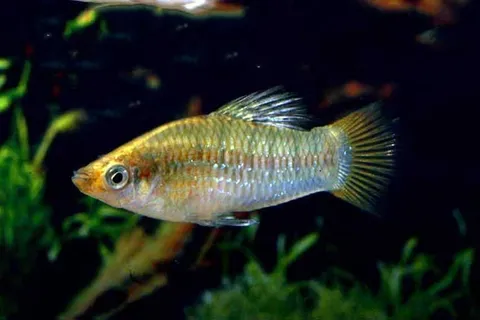
Dominican Limia
Poeciliidae
Limia perugiae
The Dominican Limia, scientifically known as Limia perugiae, belongs to the family Poeciliidae, also known as livebearers. As its name suggests, this fish is native to Central America. It is known as an endemic species,…
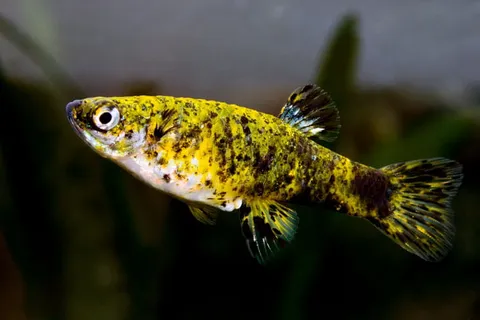
Dusky Millions Fish
Poeciliidae
Phalloceros caudimaculatus
Girardinus, or Phalloceros caudimaculatus by its scientific name, is a member of the family Poeciliidae. This unpretentious species, easy to keep and breed, does not boast vibrant coloration, but its care will not cause…
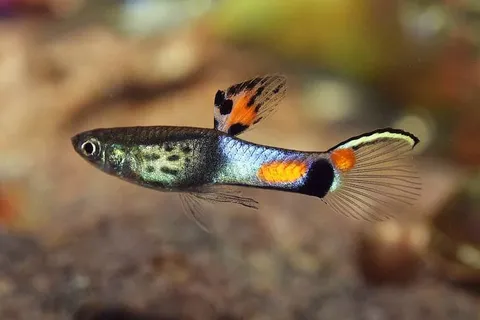
Endler's Guppy
Poeciliidae
Poecilia wingei
Endler's Guppy, scientifically known as Poecilia wingei, belongs to the family Poeciliidae. This vibrant and colorful fish is easy to keep and breed, making it an excellent choice for beginners in the aquarium hobby.…
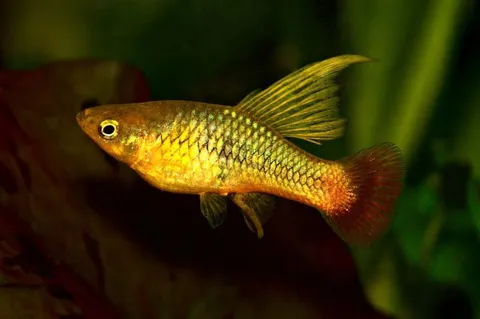
Flag Platy
Poeciliidae
Xiphophorus maculatus
The Flag Platy, also known as the Sailfin Platy in English-speaking environments, stands out with its characteristic high dorsal fin. The first rays of this fin are noticeably thickened and taller than the subsequent…
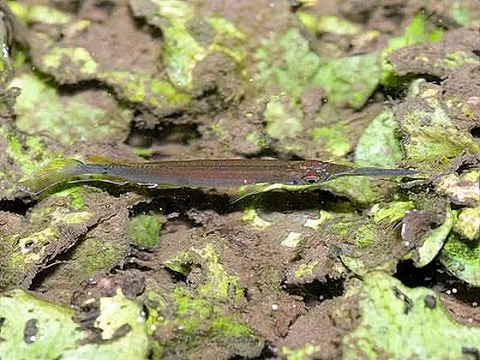
Forest Halfbeak
Halfbeaks (Zenarchopteridae)
Hemirhamphodon pogonognathus
The Hemirhamphodon pogonognathus, known in the scientific world as Hemirhamphodon pogonognathus, is a representative of the family Zenarchopteridae (Halfbeaks). This fish, also called the Forest Halfbeak, attracts…
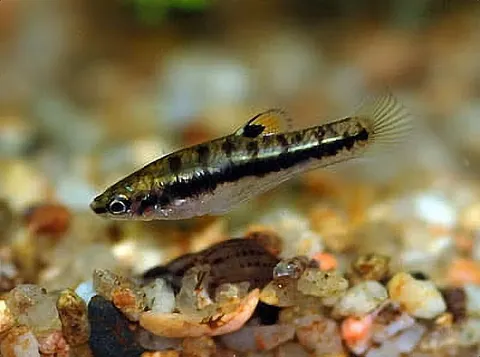
Formosa
Poeciliidae
Heterandria formosa
Formosa, scientifically known as Heterandria formosa, belongs to the family Poeciliidae. This fish is striking for its miniature size and grace, reaching a modest 3 cm in length. In addition to its size, it is…
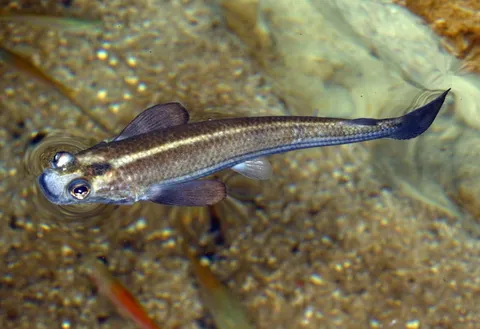
Four-eyed fish
Anablepidae (Four-eyed fish)
Anableps anableps
Anableps anableps, commonly known as the Four-eyed fish, belongs to the family Anablepidae. This species of tropical fish is particularly interesting due to its unusual eye structure. Although the fish has only two…
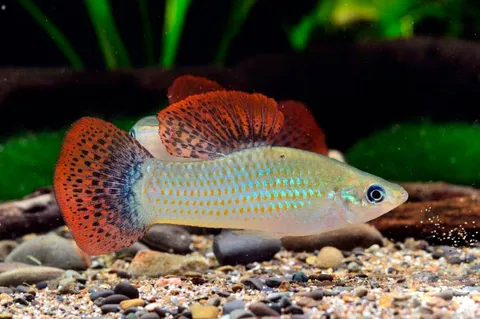
Free Molly
Poeciliidae
Poecilia salvatoris
The Free Molly, also known as Poecilia salvatoris, belongs to the family Poeciliidae, which includes livebearers or gambusias. Discovered in 1907, this fish lost its species identity shortly after its description. For a…
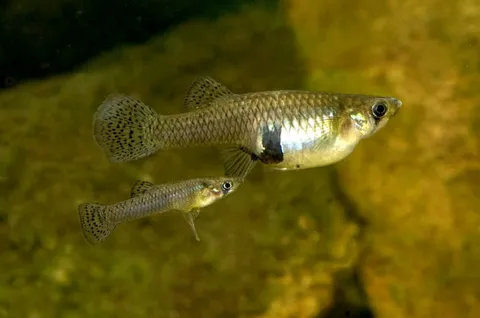
Gambusia
Poeciliidae
Gambusia holbrooki
Gambusia, also known as the Mosquito fish, bears the scientific name Gambusia holbrooki and is a member of the Poeciliidae family. This lively and very active fish is renowned for its hardiness. It easily adapts to…
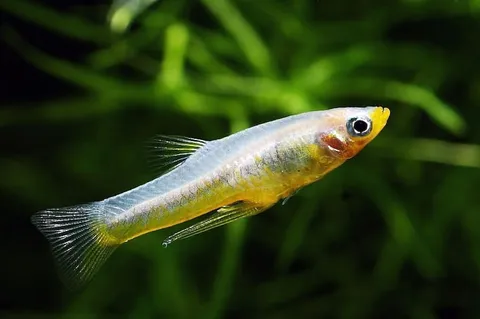
Girardinus Metallicus
Poeciliidae
Girardinus metallicus
Girardinus metallicus, or metallic livebearer, belongs to the family Poeciliidae. This fish was once very popular among aquarists in the early 20th century, largely due to its exceptional hardiness and resilience.…
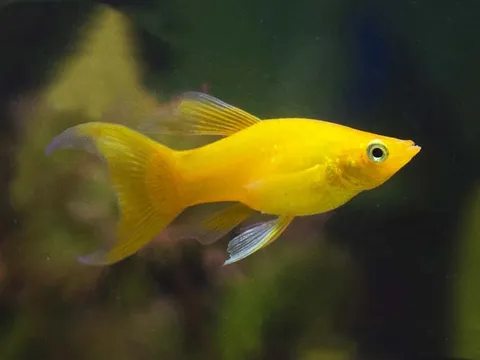
Gold Molly
Poeciliidae
Poecilia sphenops
Many aquarium enthusiasts know this fish by its trade English name Molly Gold, or as the Gold Molly. In CIS countries, it is often also called Yellow Molly. It is important to note that this variation is not found in…
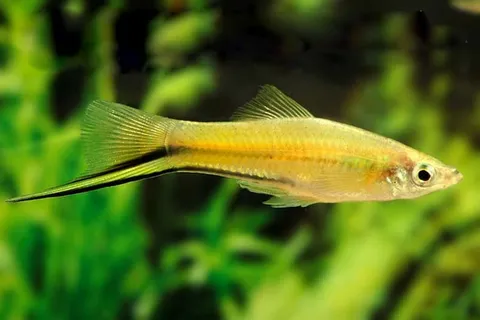
Golden Swordtail
Poeciliidae
Xiphophorus signum
Xiphophorus signum, known as the Golden Swordtail, belongs to the family Poeciliidae. The Latin name "signum" translates as "sign" or "distinguishing feature," which accurately describes the characteristic black mark…
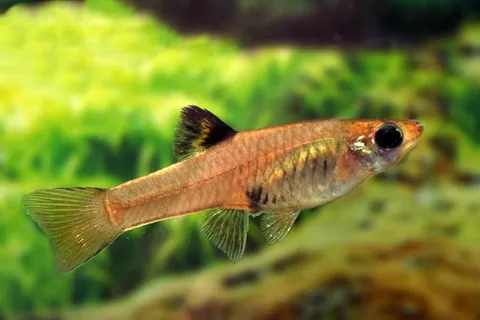
Golden Teddy
Poeciliidae
Xenophallus umbratilis
Xenophallus umbratilis, also known as the Golden Teddy, is a species belonging to the family Poeciliidae. This fish boasts an attractive and intense coloration. However, keeping it in an aquarium involves a number of…
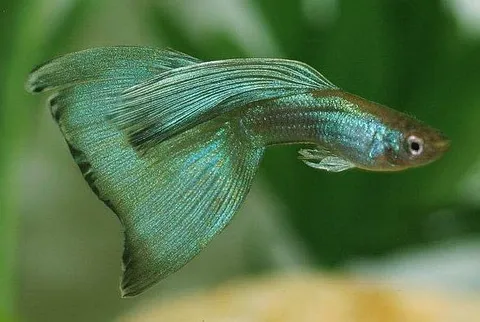
Green Guppies
Poeciliidae
Poecilia reticulata
Green Guppies, or their scientific name Poecilia reticulata (Green variety), belong to the family Poeciliidae. This name is used as a collective term to denote a number of artificially bred strains that display a…
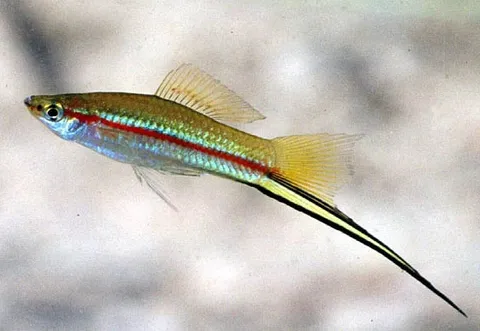
Green Swordtail
Poeciliidae
Xiphophorus hellerii
The Green Swordtail, scientifically known as Xiphophorus hellerii, belongs to the family Poeciliidae. The genus name honors Karl Bartholomaeus Heller — an Austrian botanist and naturalist (1824–1880) who first…
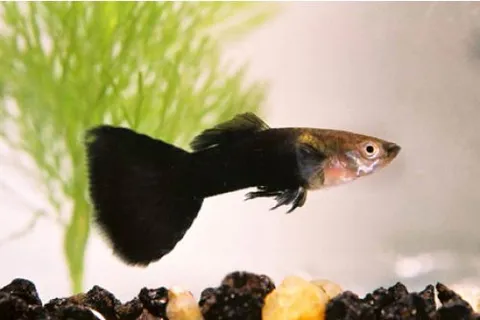
Guppy 'Black Prince'
Poeciliidae
Poecilia reticulata
The Guppy 'Black Prince', also known as the Half Black Guppy with the scientific name Poecilia reticulata (Half Black subspecies), is a member of the Poeciliidae family. This designation likely encompasses several…
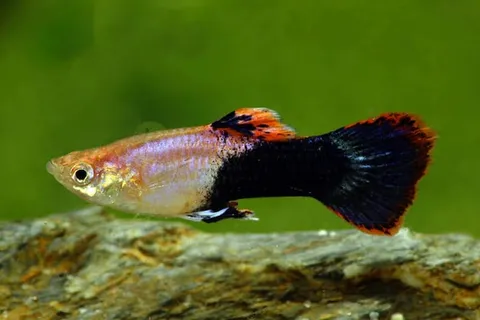
Guppy Tuxedo
Poeciliidae
Poecilia reticulata
Guppy Tuxedo, or as it is also called, Tuxedo Guppy, got its English name from its distinctive coloration. The scientific name for this strain is Poecilia reticulata (Tuxedo strain). It is a representative of the…
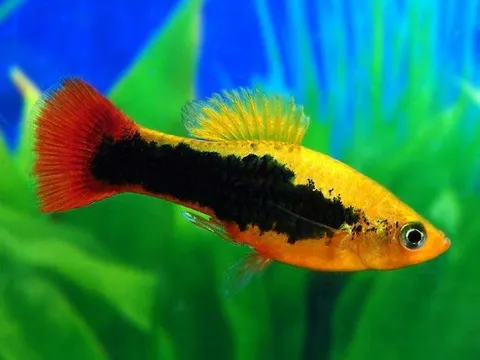
Hawaii Platy
Poeciliidae
Xiphophorus variatus
The Hawaii Platy, known in the English-speaking world as the Hawaii Platy, is one of many color variations of Xiphophorus variatus. Its history began in 1962 when this species first appeared at the University of Hawaii…
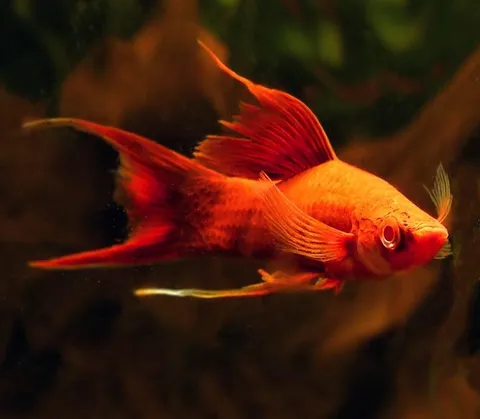
Hi-Fin Lyretail Swordtail
Poeciliidae
Xiphophorus hellerii
The Lyretail Swordtail, known in the English-speaking trade as Hi-Fin Lyretail Swordtails, is an artificially bred variety. It originated in the USA in the late 1960s through the hybridization of Flag and Lyretail…
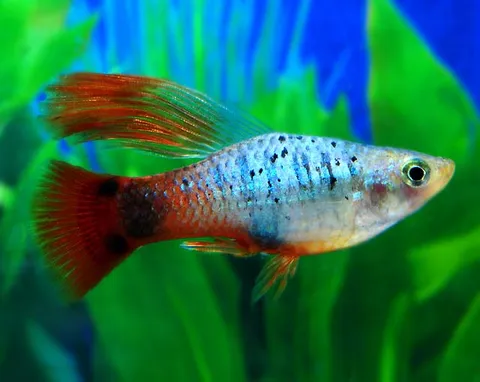
Hi-Fin Platy
Poeciliidae
Xiphophorus maculatus
The Hi-Fin Platy, often referred to as such in English-speaking countries, represents a group of hybrids. This name combines individuals obtained by crossing the common Platy and the Variatus Platy with the Flagtail…
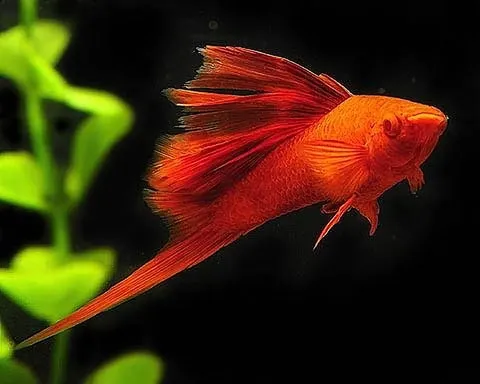
Hi-Fin Swordtail
Poeciliidae
Xiphophorus hellerii
Xiphophorus hellerii, known as the Hi-Fin Swordtail, is a member of the Poeciliidae family. Outside of Russia, in Europe and America, this variety is known as Swordtails Hi Fin. A distinctive feature of both male and…
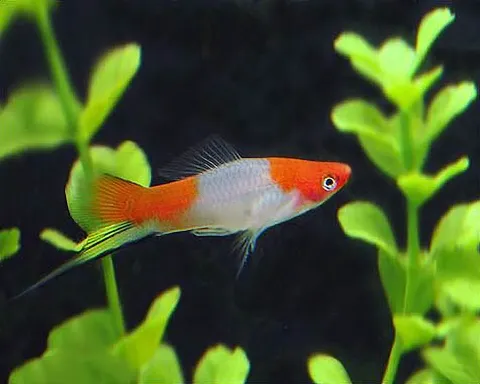
Kohaku Swordtail
Poeciliidae
Xiphophorus hellerii
The Kohaku Swordtail, scientifically known as Xiphophorus hellerii (Koi Kohaku variety), belongs to the family Poeciliidae. This fish was bred artificially and does not occur in nature. Its name, "Kohaku," was given due…
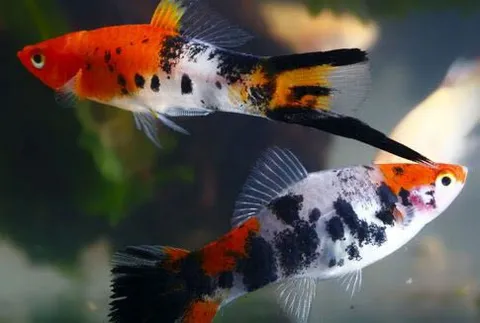
Koi Swordtails
Poeciliidae
Xiphophorus hellerii
Koi Swordtails, a variety of Xiphophorus hellerii, belong to the Poeciliidae family. This common name refers to fish whose unique body coloration resembles ornamental Koi carp. Among the most sought-after strains are…
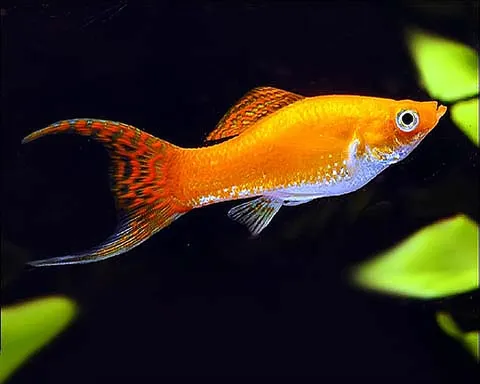
Lyretail Molly
Poeciliidae
Poecilia sphenops
The Lyretail Molly, known in the English-speaking trade as LyreTail Molly, is a breed created artificially and has no natural counterparts. The subject of selection, presumably leading to its appearance, was the Sailfin…
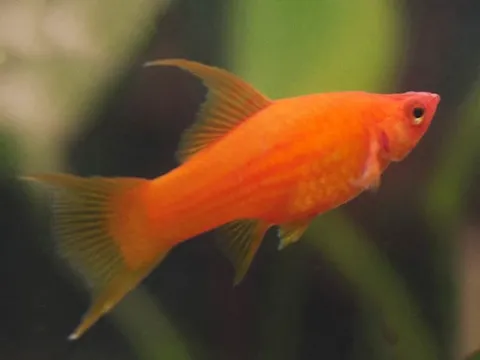
Lyretail Swordtail
Poeciliidae
Xiphophorus hellerii
The Lyretail Swordtail, officially known as Xiphophorus hellerii, belongs to the Poeciliidae family. A distinctive feature of this breed is the unique structure of its caudal fin, where the upper and lower rays are…
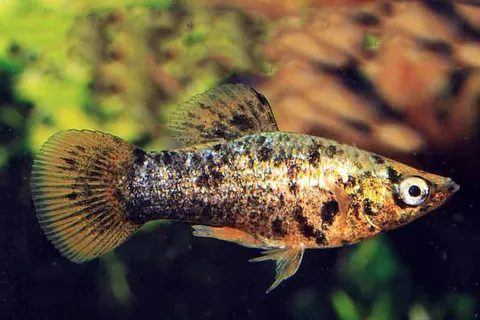
Marble Molly
Poeciliidae
Poecilia sphenops
In English-speaking countries, the trade name “Marble Molly” or “Molly Marble” refers not to a specific breed of fish, but to a particular color variation. This pattern can be found in several selective forms, such as…
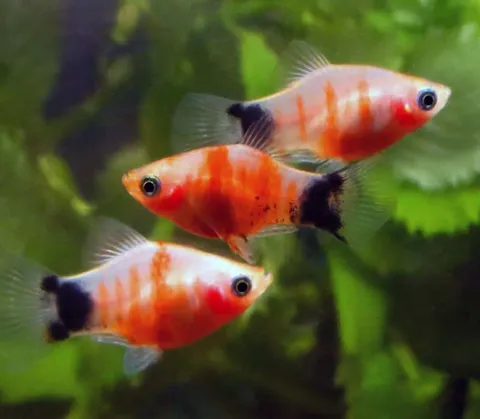
Mickey Mouse Platy
Poeciliidae
Xiphophorus maculatus
The Platy sold under the trade name "Mickey Mouse" (Platy Mickey Mouse) is not found in the wild. This fish is a selective breeding form of the common Platy (Xiphophorus maculatus). It received its recognizable name due…