Temperature16 – 28 °C
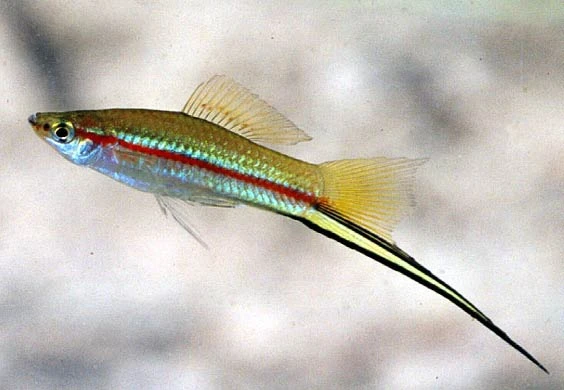
The Green Swordtail, scientifically known as Xiphophorus hellerii, belongs to the family Poeciliidae. The genus name honors Karl Bartholomaeus Heller — an Austrian botanist and naturalist (1824–1880) who first discovered this species in 1848 during an expedition to study the natural world of Mexico.
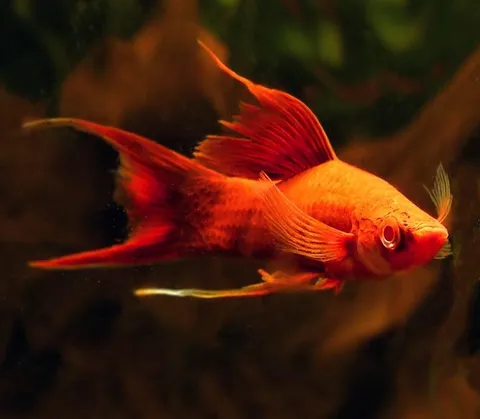
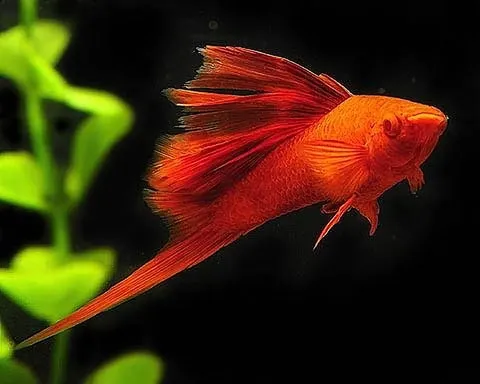
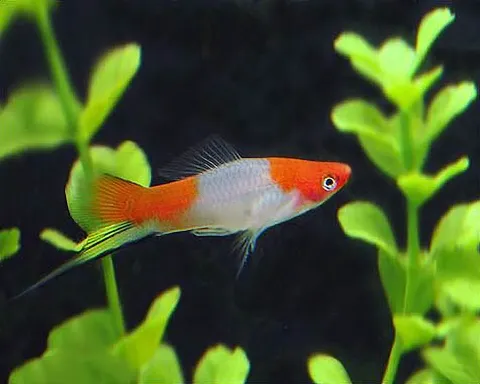
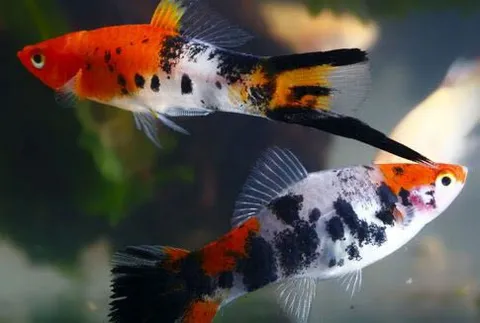
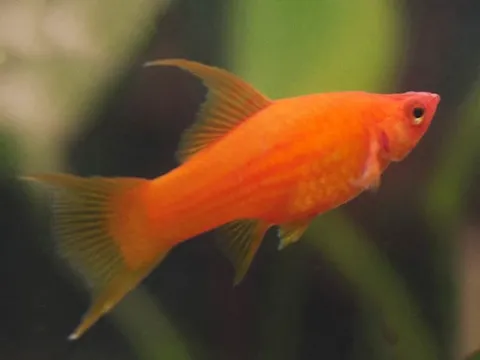
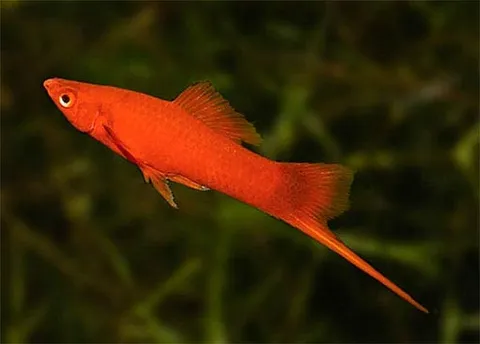
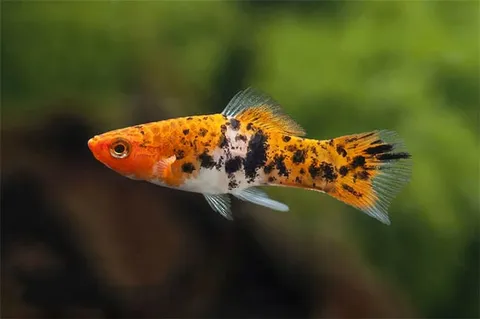
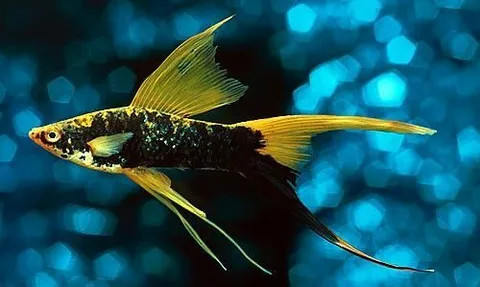
The main distinguishing feature of the species is the elongated lower rays of the caudal fin with a black outline, which remotely resemble a sword. Adult specimens reach a length of 14–16 cm, including the "sword." The fish's coloration is silvery with noticeable green-turquoise hues. A purple stripe runs along the body, and the dorsal fin and tail are yellow. Males are smaller but their coloration is brighter, and they possess a characteristically modified anal fin — the gonopodium, which is tube-shaped and used for fertilization. Females, in turn, are larger and lack the "sword" on their caudal fin. It is important to note that there are many artificially bred varieties, including hybrids with Platies, which differ in a variety of colors, body patterns, and fin shapes. Detailed information on the characteristics of each variety is presented in separate materials.
The homeland of this fish species is Central America; originally, the natural distribution of swordtails covered territories from Mexico to Honduras. They inhabited numerous river systems flowing into the Atlantic Ocean. Nowadays, thanks to the activities of aquarists, their habitat has significantly expanded. Green Swordtails can now be found on almost all continents, with the exception of Antarctica, where the climate does not allow them to survive, being located in tropical and equatorial climate zones.
Male swordtails often compete with each other, striving to achieve a higher position in the hierarchy and attract females. This rivalry is usually demonstrative, without actual skirmishes or injuries, which allows them to be classified as peaceful species. They get along well with many other calm, non-aggressive fish of comparable size. However, it should be remembered that some fish species, such as barbs, tend to damage or nip the long fins of their tank mates. Given the unique structure of the Green Swordtail's caudal fin, they could potentially suffer from such behavior by barbs.
For the comfortable keeping of 3–4 fish, the optimal aquarium volume starts from 100 L. The choice of decorations does not play a decisive role, but observations show that fish feel better in conditions mimicking a riverbed: with moderate current, rocky substrates, and driftwood. Lighting should not be excessively intense; shading can be provided by tall plants that reach and spread across the water surface. A key condition for successful keeping is maintaining high water quality within acceptable temperature values and hydrochemical parameters. For this, the aquarium is equipped with everything necessary, primarily a filtration system, and a number of mandatory procedures are regularly carried out. These include weekly partial water changes, removal of organic residues (uneaten food, excrement), and cleaning of decorative elements and tank walls. Swordtails can tolerate slight salinity — roughly up to 2–3 grams of salt per litre — but they do not need it.
In natural conditions, the diet of swordtails consists of small invertebrates, such as aquatic insects and their larvae, as well as crustaceans, supplemented by algae and plant fragments. This omnivorous diet allows for successful feeding with most available dry, frozen, and live foods. Many manufacturers offer specialized foods for Swordtails, which can serve as the main part of their daily diet.
Under favorable conditions, spawning occurs regularly, without pronounced seasonality in an artificial environment. During reproduction, the alpha male actively circles the female, demonstrating his readiness to mate. When the female is ready, she accepts the courtship. Fertilization occurs inside the female's body. Fry appear fully formed, bypassing the egg stage. The incubation period lasts about a month. The female has the unique ability to control the fertilization process, retaining the male's sperm inside her for several months. For example, if the water temperature drops or nutrition is insufficient (if the owners are on vacation), the fertilization process can be delayed. Adult fish do not show parental care and may eat their offspring. To preserve the brood, it is recommended to transfer the fry to a separate tank.
This species is considered hardy and quite undemanding. Nevertheless, selective varieties may be more sensitive to keeping conditions and more susceptible to diseases. At the first signs of illness, such as lethargy, refusal to eat, or changes in fin and body shape, it is necessary first to check the water parameters: the presence of dangerous concentrations of nitrogen cycle products, as well as pH and GH values. Often, the cause of diseases is unsuitable keeping conditions. If all parameters are brought back to normal, the fish's immune system may cope with the ailment on its own. Otherwise, medication will be required.
When choosing swordtails, pay attention to the overall activity of the fish: healthy individuals should be active, show curiosity, and not hide in the corners of the aquarium. Examine the scales and fins for damage, white film, or suspicious spots that may indicate infections. Avoid fish with clamped fins, unnaturally bloated or, conversely, severely sunken bellies. It is advisable to purchase individuals raised locally, as they are better adapted to tap water than imported specimens. Before purchasing, make sure there are no dead individuals in the fish tank, as this indicates poor keeping quality in the store.
The essentials: size, tank volume, water parameters and care
An adult reaches 14–16 cm in length. Plan the tank around the maximum size: the fish quickly outgrows a cramped setup.
The recommended volume is 100 L. A smaller tank speeds up nitrate build-up and raises stress levels.
Temperature 16–28 °C, pH 7–8, hardness 10–30 dGH. Stability matters more than exact values: sudden swings are harder on the fish than a small deviation from the ideal.
Around 4 years when kept properly. Lifespan depends directly on tank volume, water quality and a varied diet.
Temperament: peaceful (regular). Keep this in mind when choosing tank mates.
Recommended setup: mixed (solitary / pair / group). Ignoring this is a common cause of stress and disease.
Diet type: any (universal). Feed small portions that are finished within a couple of minutes — overfeeding does more harm than underfeeding.
The scientific name of the species is Xiphophorus hellerii, family Poeciliidae. It also appears in the literature as: Mollienisia helleri, Poecilia helleri, Xiphophorus brevis.
The water suits 114 of 208 plants in the catalogue — the easiest ones are shown first.
African Onion PlantAfzelius's AnubiasAmazon FrogbitAmazon SwordAnacharisAnubiasArrowhead CryptDwarf CloverDwarf CloverDwarf HygrophilaDwarf SagittariaDwarf ValGuppy GrassHornwortJava MossMoneywortMud SwordNair's LagenandraNarrow Leaf AnacharisNarrow-leaf CloverStringy MossTaiwan MossTape GrassUssuri Watermilfoil
The same fish in another colour: care, water and size are identical.
Matched by family, categories and overlapping keeping conditions
Xiphophorus hellerii
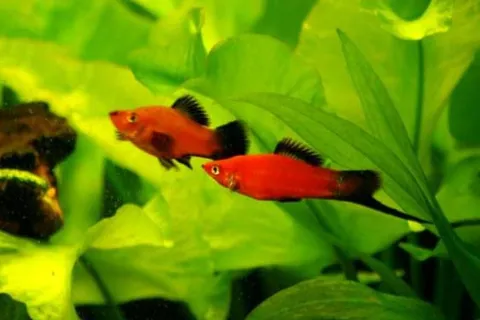
The Berlin Swordtail, known in the English-speaking world as the Red Wagtail Swordtail, is an artificially bred variety. This hybrid, resulting from the crossbreeding of the common Green Swordtail (Xiphophorus hellerii)…
Xiphophorus hellerii
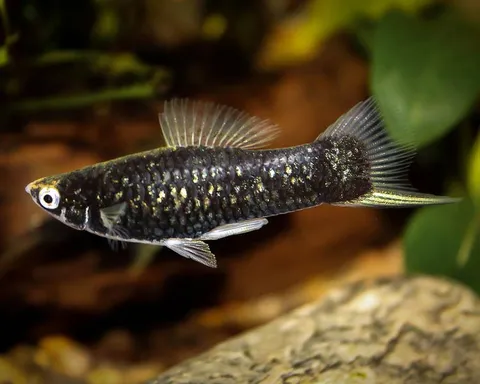
The Black Swordtail, scientifically known as Xiphophorus hellerii (Black variety), belongs to the Poeciliidae family. This fish is distinguished by its uniform dark body coloration, which gives it its name. Under…
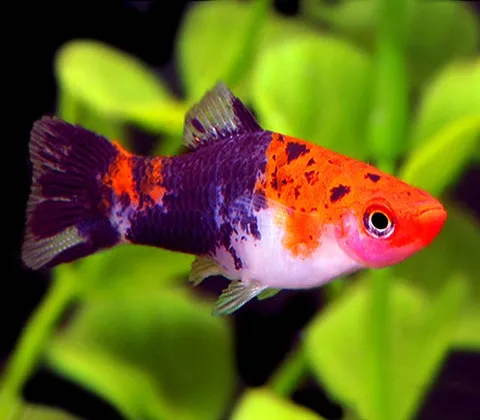
Xiphophorus hellerii
The Calico Swordtail, known scientifically as Xiphophorus hellerii (Showa strain), belongs to the Poeciliidae family. This fish earned its name due to its body coloration, which resembles the pattern of the decorative…
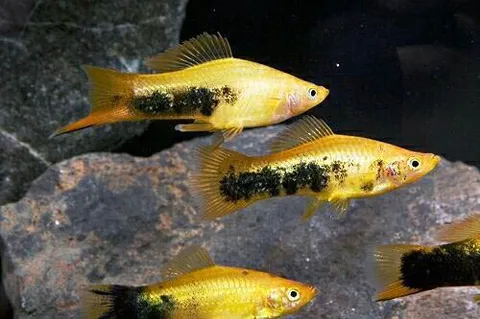
Xiphophorus hellerii
The Cuban Swordtail, known in the trade as the Tuxedo Swordtail, is the result of crossbreeding. This fish is a hybrid between the Green Swordtail and the Tuxedo Platy. From the former ancestor, males inherited the…