Temperature18 – 22 °C
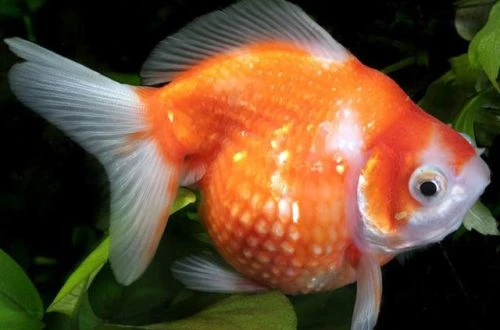
The Pearlscale Goldfish is a variety of Goldfish distinguished by its spherical body and rounded, protruding scales, which give it a recognizable resemblance to a golf ball. These unique features are the basis for its name. Among representatives of this species, there are individuals with growths on their heads, similar to those found on Oranda Goldfish; these are commonly called Crown Pearlscales. Over years of selective breeding, various color forms have been developed, such as blue, black, chocolate, and white with yellow or red specks, although the classic red-orange coloration remains the most common and beloved by aquarists.
The Pearlscale is a selectively bred goldfish variety characterized by its spherical, bloated body. A distinctive feature is its large, convex, dome-shaped scales, resembling pearls. Adult specimens reach about 10–15 cm in length. The fins are usually short, and the caudal fin is forked. Coloration varies from orange and red to white, black, and calico. Sexual dimorphism becomes apparent during spawning: males develop small white tubercles on their gill covers and pectoral fins, while females appear rounder and more massive.
The Pearlscale is a selectively bred form of goldfish, artificially developed in China during the Qing Dynasty (1848–1925). This species does not occur in the wild, so there is no natural habitat or biotope. All environmental parameters necessary for life are created exclusively under aquarium conditions.
This is a peaceful, calm, and slow-moving fish. Due to its body structure, it swims slowly and clumsily, and thus may lose out in competition for food with more active species. It is recommended to keep them in a species-specific tank or with other slow-moving goldfish varieties. These fish are social and feel comfortable in a group.
For keeping a single specimen, an aquarium of at least 75 liters is required, as these fish produce a lot of organic waste. Water parameters: temperature 18–22°C, pH 6.5–8.0, hardness 5–20° dGH. Powerful filtration and regular water changes are necessary. In terms of decor, sharp decorations should be avoided, as the fish can damage its delicate scales. Hard-leaved or floating plants are preferable, as the fish tend to dig up the substrate and damage delicate greenery.
They are omnivorous, and their diet should include both plant and animal components. Due to the specific structure of their digestive system, they are prone to swim bladder problems and constipation. It is recommended to use high-quality sinking foods that are pre-soaked. It is beneficial to periodically add blanched vegetables, such as skinned peas, to their diet.
Breeding is possible in a spawning tank with a mesh at the bottom to protect the eggs. Spawning is stimulated by a gradual increase in water temperature. After spawning, the parents must be removed, as they will eat the eggs. Fry begin to feed on infusoria or specialized starter foods. The unique pearl-like scales begin to appear at approximately two months of age.
The species is predisposed to swim bladder diseases and intestinal disorders due to its compact body. These fish are also sensitive to water quality, which, with poor care, often leads to fin rot and other bacterial infections. Prevention involves maintaining water cleanliness, proper feeding, and eliminating stress factors.
When purchasing, choose active fish with bright coloration and a full set of scales, as damaged "pearls" do not regenerate to their original form. It is important to inspect the fish for any signs of lethargy, fin damage, or unnatural abdominal bloating. It is recommended to acquire specimens that swim evenly, without tilting to the side or floating to the surface.
The essentials: size, tank volume, water parameters and care
An adult reaches 10–15 cm in length. Plan the tank around the maximum size: the fish quickly outgrows a cramped setup.
The recommended volume is 75 L. A smaller tank speeds up nitrate build-up and raises stress levels.
Temperature 18–22 °C, pH 6–8, hardness 5–19 dGH. Stability matters more than exact values: sudden swings are harder on the fish than a small deviation from the ideal.
Around 15 years when kept properly. Lifespan depends directly on tank volume, water quality and a varied diet.
Temperament: semi-peaceful (dangerous to smaller ones). Not a predatory species, but small fish that fit in its mouth will eventually be eaten.
Recommended setup: mixed (solitary / pair / group). Ignoring this is a common cause of stress and disease.
Diet type: any (universal). Feed small portions that are finished within a couple of minutes — overfeeding does more harm than underfeeding.
The scientific name of the species is Carassius auratus, family Cyprinids (Cyprinidae). It also appears in the literature as: Carasius auratus, Carassius buergeri, Carassius burgeri.
The water suits 32 of 208 plants in the catalogue — the easiest ones are shown first.
African Water FernAmazon FrogbitAnubiasAsian WatermossBlue BuceBuceChristmas MossDwarf African FernFloating CrystalwortFloating Water SpriteGiant VallisneriaGlobefruit LudwigiaGreater DuckweedJapanese RushJava FernJava MossJungle ValLittle StarPelliaSchismatoglottisStringy MossSüsswassertangTaiwan MossWater Spangles
This fish digs through the substrate and pulls rooted plants out.
African Onion PlantAfzelius's AnubiasAmazon SwordAnacharisArrowhead CryptBalansa Water TrumpetBanana PlantBarth's SwordBeckett's Water TrumpetBladderwort CarpetBog MossBoivin's AponogetonBolivian Chain SwordBrazilian PennywortBroad-leaf Water SpriteBrookweedBrown's LimnophilaCardinal PlantCaribbean MintCarolina Micro SwordCognac AmmanniaCongo AnubiasCreeping JennyCreeping RushCreeping SpotflowerCreeping StaurogyneCrinkled AponogetonCupheaCutleaf WatermilfoilCylindricfruit LudwigiaDark SwordDelta ArrowheadDense MayacaDitch StonecropDwarf AmbuliaDwarf Baby TearsDwarf CloverDwarf CloverDwarf HairgrassDwarf Hygrophila
Matched by family, categories and overlapping keeping conditions
Carassius auratus
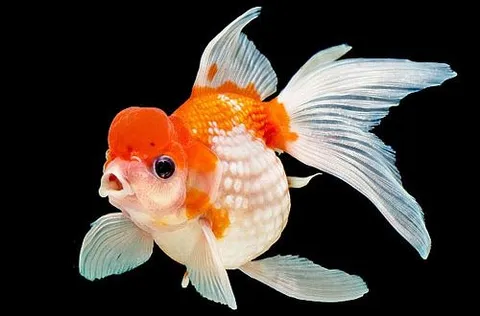
The exact year and place of origin of this goldfish variety are well-known. In 1978, in Gamagori City, Aichi Prefecture, Japan, breeder Shigeo Watanabe developed the “Crown Pearlscale.” For several years, he diligently…
Carassius auratus
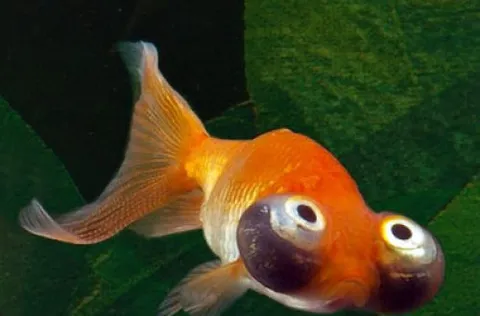
The Celestial, or Stargazer, is a unique variety of goldfish characterized by an unusual eye structure. The eyes of this fish protrude significantly from the sides of the head and are always directed upwards. The…
Carassius auratus
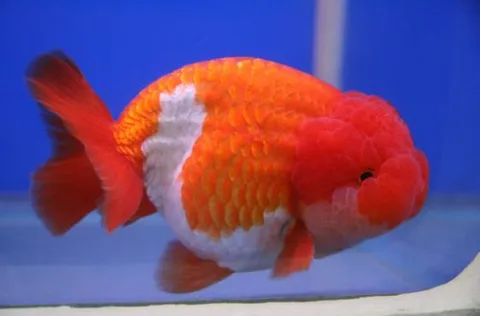
The Ranchu, also known as the Buffalo (or Ranchu Goldfish in English), holds a special place among valuable and popular aquarium inhabitants in Asia. In countries like China and Japan, there is an entire industry…
Carassius auratus
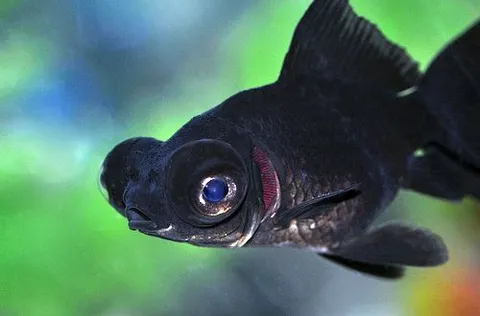
Among the varieties of Telescope Goldfish, the Black Moor stands out, known as the Black Moor Goldfish. This fish is easily recognized by its short, rounded or egg-shaped body and characteristic large eyes that…