Temperature18 – 24 °C
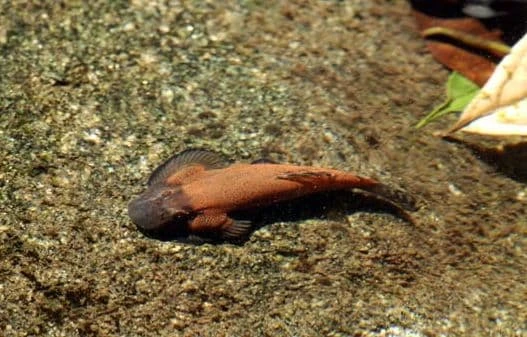
Gastromyzon lepidogaster, known scientifically as Gastromyzon lepidogaster, is a representative of the Balitoridae family, or River loaches. This species is endemic to the northern part of Borneo Island, located in Southeast Asia. It can be found in river basins whose waters flow into Wallace Bay; rivers such as Kimanis, Petagas, Labuk, Kinabatangan, and other waterways of the Malaysian state of Sabah are worth mentioning. In addition, the natural habitat of Gastromyzon lepidogaster extends to the Indonesian part of the island, known as East Kalimantan.
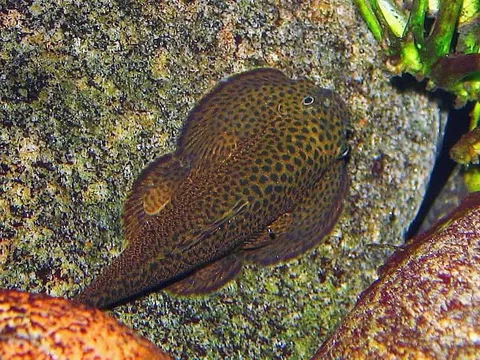
Gastromyzon lepidogaster is one of the largest representatives of its genus, reaching up to 10 cm in length. It has a discoid body shape characteristic of river loaches, strongly flattened dorsoventrally. The pectoral and pelvic fins are positioned horizontally and partially fused, forming a powerful suction cup that allows the fish to hold onto rocks in strong currents. The coloration varies from greenish to brownish and rusty-red hues, often with indistinct dark spots on the body and head. Females are usually larger and more robust than males.
An endemic of Borneo Island (Kalimantan), inhabiting Malaysia (Sabah state), Brunei, and Indonesia (East Kalimantan). In nature, it lives in mountain streams and rivers with fast currents, clean, and oxygen-rich water. It prefers rocky areas, rapids, and zones near waterfalls, where the bottom is covered with boulders and pebbles with a dense layer of periphyton and algae.
A peaceful but territorial fish, active during the day. In the aquarium, fish often occupy specific areas, which they actively defend from conspecifics, especially during feeding. It is recommended to keep them in groups of 4 or more, which allows observing their natural social behavior. They are compatible with small, peaceful species living in similar conditions but should not be kept with aggressive or significantly larger fish.
For keeping, an aquarium of at least 100 L with strong current and effective aeration is required, as the species is extremely sensitive to oxygen levels. The setup should mimic a mountain stream: an abundance of smooth stones, boulders, and snags covered with biofilm. Plants are not essential, but species that attach to rocks, such as Anubias or Microsorum, can be used. Regular water changes and maintaining water purity are necessary, as the fish are sensitive to the accumulation of organic matter.
The main diet in nature is periphyton — a complex of algae, microorganisms, and detritus that the fish scrapes from rocks. In the aquarium, it is important to ensure the presence of natural biofouling on decorations. Additionally, high-quality dry foods in the form of sinking tablets for catfish, spirulina, and frozen foods such as bloodworms or Artemia should be offered. Feeding should be regular, but it is important to ensure that the fish have time to get food without being pushed away by faster tankmates.
Breeding in captivity is considered a difficult task and is rarely recorded. Spawning occurs in conditions simulating mountain streams. Males display courtship, after which the pair may lay eggs in crevices between rocks. The eggs are non-adhesive, and the development of fry requires specific conditions with high oxygen content and the presence of natural food (biofilm) on surfaces, which makes rearing in home conditions extremely difficult.
Diseases most often arise due to low oxygen levels or poor water quality, leading to weakened immunity and bacterial infections or fungus. The species is sensitive to high ammonia and nitrite content. Prevention involves maintaining stable water parameters, powerful filtration, and regular aquarium maintenance. When purchasing, avoid individuals with signs of emaciation, fin damage, or unnatural behavior.
When choosing, prefer individuals with a rounded, not sunken, belly, which indicates good nutrition. A healthy fish should actively move along the glass or rocks, using its suction cup, and not show signs of apathy. It is recommended to carefully examine the fish for external damage or spots. Given the difficulty of adaptation, it is better to acquire individuals that have already undergone quarantine and have started accepting the foods offered in the aquarium.
The essentials: size, tank volume, water parameters and care
An adult reaches 10 cm in length. Plan the tank around the maximum size: the fish quickly outgrows a cramped setup.
The recommended volume is 100 L. A smaller tank speeds up nitrate build-up and raises stress levels.
Temperature 18–24 °C, pH 6–8.5, hardness 2–12 dGH. Stability matters more than exact values: sudden swings are harder on the fish than a small deviation from the ideal.
Around 5 years when kept properly. Lifespan depends directly on tank volume, water quality and a varied diet.
Temperament: peaceful (regular). Keep this in mind when choosing tank mates.
Recommended setup: small group (3–4 individuals). Ignoring this is a common cause of stress and disease.
Diet type: plant-based (algae, vegetables). Feed small portions that are finished within a couple of minutes — overfeeding does more harm than underfeeding.
The scientific name of the species is Gastromyzon lepidogaster, family River Loaches (Balitoridae).
The water suits 196 of 208 plants in the catalogue — the easiest ones are shown first.
Afzelius's AnubiasAnacharisAnubiasBrazilian PennywortDwarf CloverDwarf CloverDwarf HygrophilaDwarf SagittariaDwarf ValGuppy GrassHornwortJava FernJava MossMoneywortMud SwordNarrow Leaf AnacharisNarrow-leaf CloverStringy MossSüsswassertangTaiwan MossTape GrassTemple PlantUssuri WatermilfoilWater Wisteria
Matched by family, categories and overlapping keeping conditions
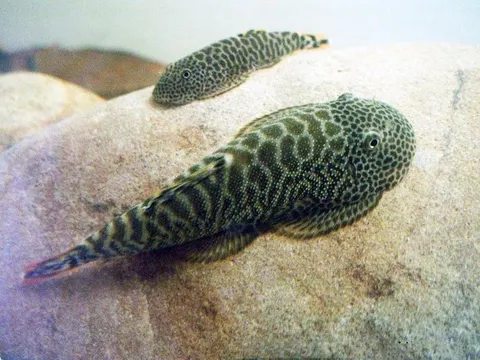
Gastromyzon monticola
Gastromyzon monticola, known as the Gastromyzon monticola, is a representative of the Balitoridae family (River Loaches). This species is endemic to the island of Borneo, also known as Kalimantan. Its natural habitat is…
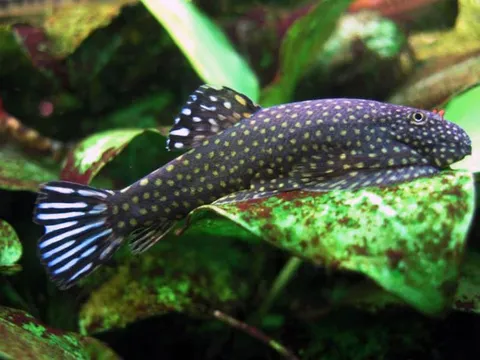
Gastromyzon ctenocephalus
Gastromyzon ctenocephalus, also known as the Gastromyzon ctenocephalus, belongs to the family Balitoridae, which includes river loaches. This fish is endemic to the island of Borneo, or Kalimantan, and is found…
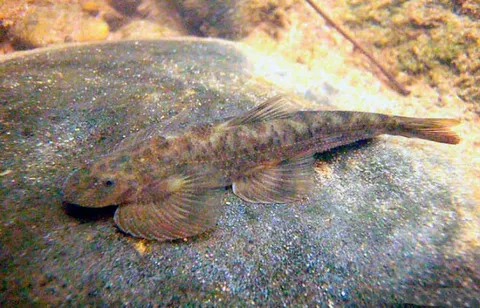
Hemimyzon nanensis
Hemimyzon nanensis, known as the Nan River Gastromyzon, belongs to the family Balitoridae. This fish is native to Southeast Asia, specifically Thailand, which is part of the Indochina region. It was first discovered in…
Beaufortia kweichowensis
Beaufortia, or the Butterfly Hillstream Loach, scientifically known as Beaufortia kweichowensis, belongs to the family Balitoridae, which includes river loaches. The fish owes its name to the Dutch zoologist Lieven…