Temperature22 – 27 °C
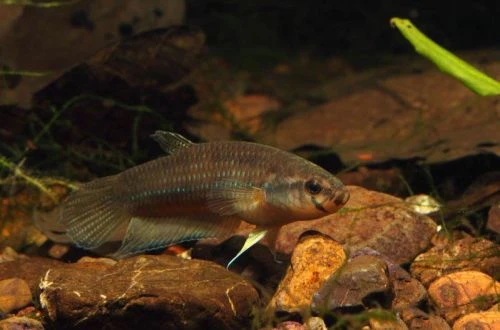
The scientific name Betta antoni belongs to the family Osphronemidae, and this fish is often called Betta antoni or Anthony's Betta. It was named after Irwan Antoni, a well-known exporter of tropical fish from Asia. A distinctive feature of these fish is their interesting and undoubtedly curious behavior to observe. They get along well with peaceful tankmates and do not pose any particular difficulties in terms of keeping or breeding. Perhaps their only drawback is their rather modest coloration.
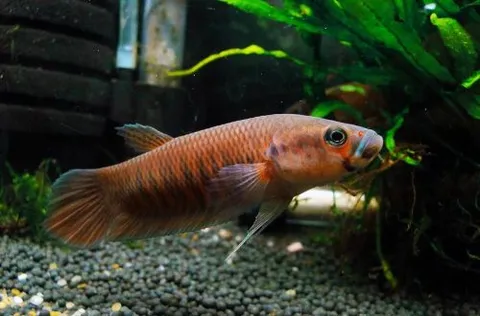
Adult specimens of this fish reach a length of approximately 5 cm. Their main coloration is gray, with faint dark horizontal stripes extending from the head to the tail. A distinctive feature is a pattern of black stripes and spots located around the mouth. In males, unlike females, the scales and fin edges often shimmer with iridescent hues.
The natural habitat of these fish is in Southeast Asia, specifically on the Indonesian side of Borneo Island, in the West Kalimantan province. They inhabit the lower reaches of the Kapuas River basin. Typically, the biotopes where these fish are found are calm sections of rivers or backwaters with clean, clear water, which sometimes acquires a slight brownish tint. This tint is due to the presence of humic and other tannins formed by the decomposition of plant organic matter. These bodies of water are dimly lit, as the dense tree canopies almost completely close over the surface, yet this does not prevent plants from forming lush thickets along the banks.
Within this fish population, relationships between males are characterized by rivalry for dominant positions. In small aquariums, skirmishes between them are not uncommon, although they generally do not lead to serious injuries. Additionally, during the breeding season, females may show aggression towards other fish species, striving to protect their future offspring. Overall, these fish are quite peaceful and get along well with tankmates.
For keeping one or two fish, the optimal aquarium volume starts from 50 L. If group keeping of 3-4 or more individuals is planned, it is important to provide many shelters in the decor, considering some peculiarities of their behavior, which will be discussed below. Driftwood, dense plant thickets, and various decorative elements can serve as shelters. Otherwise, the choice of aquarium decor remains a matter of personal taste. Experienced aquarists often add dried oak, birch, beech, maple, hazelnut, or the more exotic Indian almond leaves to the bottom; these are pre-soaked so they do not float. Gradually decomposing, the leaves release tannins that give the water a chemical composition and tint similar to the natural habitat of Betta antoni. For successful long-term keeping, water quality plays a key role. It is necessary to constantly maintain hydrochemical parameters (pH and dGH) within acceptable limits. It is important to avoid the accumulation of organic substances, which can lead to an increase in the concentration of nitrogen cycle products (ammonia, nitrites, nitrates) and a disruption of biological balance. The stability of the aquatic environment directly depends on the regular performance of all necessary aquarium maintenance procedures, such as water changes and waste removal, as well as on the uninterrupted operation of equipment, primarily the filtration system.
These fish are carnivorous, and in their natural environment, they hunt small insects and other invertebrates. When given the opportunity, they can also feast on very small fish, such as fry. After adapting to aquarium conditions, they easily switch to alternative types of food. The daily diet can consist of a variety of dry, frozen, and live foods. Specialized foods developed for Betta fish and offered by many manufacturers will be an excellent choice.
Anthony's Bettas exhibit caring parental behavior, having developed a unique strategy to protect their future fry. Instead of laying eggs on the substrate or among vegetation, they brood them in their mouths. In this process, the important duty of brooding the eggs falls to the males. Females, in turn, actively guard the territory, patrolling it and chasing away any potential predators. Female individuals also show great initiative during courtship. The spawning process is accompanied by a peculiar "embracing dance," during which the fish gracefully intertwine with each other. The incubation period lasts from 12 to 17 days, after which fully formed fry emerge, ready to accept food. It is recommended to feed them specialized powdered foods, suspensions, or live food, such as Artemia nauplii.
Most health problems in fish often arise from unsuitable keeping conditions. Maintaining a stable and comfortable habitat is a key factor for successful keeping. If symptoms of illness appear, the first step is to check the water quality. If deviations are found, it is important to take immediate measures to eliminate them. If the symptoms do not disappear or worsen, medicinal treatment may be required.
When choosing Betta antoni, it is important to consider that the species is rarely found for sale and often requires ordering through specialized suppliers. Inspect the fish for signs of stress: healthy individuals should show curiosity, have clean fins without signs of erosion, and tightly adhering scales. Avoid specimens with sunken bellies, signs of lethargy, or unnaturally clamped fins, as this species is sensitive to transport conditions and water quality. Ask the seller about the keeping conditions, as the fish require soft and acidic water, close to natural parameters, for adaptation.
The essentials: size, tank volume, water parameters and care
An adult reaches 5 cm in length. Plan the tank around the maximum size: the fish quickly outgrows a cramped setup.
The recommended volume is 50 L. A smaller tank speeds up nitrate build-up and raises stress levels.
Temperature 22–27 °C, pH 5.5–7, hardness 1–5 dGH. Stability matters more than exact values: sudden swings are harder on the fish than a small deviation from the ideal.
Around 3 years when kept properly. Lifespan depends directly on tank volume, water quality and a varied diet.
Temperament: semi-peaceful (including aggression during spawning / intraspecific conflicts). Keep this in mind when choosing tank mates.
Recommended setup: mixed (solitary / pair / group). Ignoring this is a common cause of stress and disease.
Diet type: any (universal). Feed small portions that are finished within a couple of minutes — overfeeding does more harm than underfeeding.
The scientific name of the species is Betta antoni, family Osphronemidae.
The water suits 197 of 208 plants in the catalogue — the easiest ones are shown first.
Afzelius's AnubiasAnacharisAnubiasBrazilian PennywortDwarf CloverDwarf CloverDwarf HygrophilaDwarf SagittariaDwarf ValGuppy GrassHornwortJava FernJava MossMoneywortMud SwordNair's LagenandraNarrow Leaf AnacharisNarrow-leaf CloverStringy MossSüsswassertangTaiwan MossTape GrassTemple PlantUssuri Watermilfoil
Matched by family, categories and overlapping keeping conditions
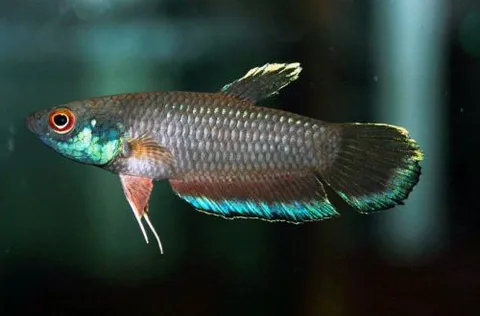
Betta taeniata
The Striped Betta, also known as the Borneo Betta, bears the scientific name Betta taeniata and belongs to the family Osphronemidae. Despite being classified within the Betta group, their behavior is completely at odds…
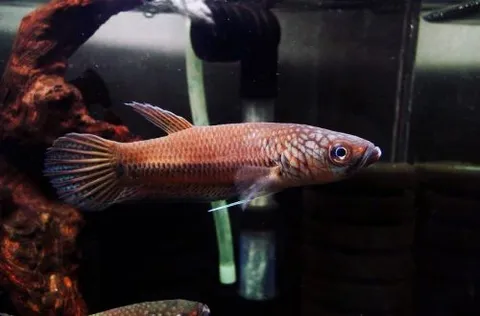
Betta sp. «Antuta/Bulungan»
The Bulungan Betta, also known as Betta bulungan, belongs to the family Osphronemidae. This is an undescribed species that was obtained from a collection labeled by suppliers as “Bulungan Jungle”—a name indicating the…
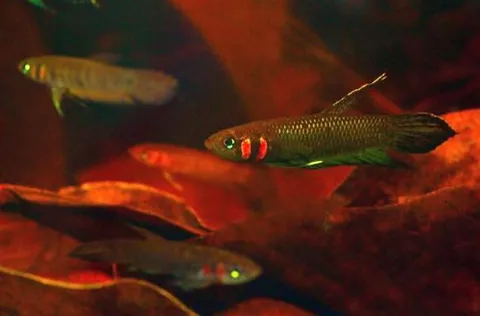
Betta mandor
The Betta mandor fish, officially named Betta mandor by scientists, belongs to the family Osphronemidae. Before this species was scientifically described in 2006, it was nicknamed "Ninja Betta." This name was given due…
Betta patoti
The scientific name Betta patoti is given to the Betta patoti fish, or Patoti Betta, which belongs to the family Osphronemidae. This fish is part of the fighting fish group, which explains its challenging temperament…