Temperature22 – 27 °C
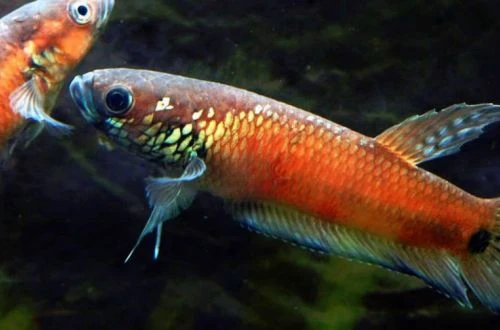
The Betta gladiator fish, also known as the Gladiator Betta, bears the scientific name Betta gladiator and belongs to the family Osphronemidae. Its "fighting" name fully justifies the established perception of it, as males of this species are characterized by fierce rivalry. They are not recommended for beginner aquarists due to their specific behavior and care requirements, which are not always simple.
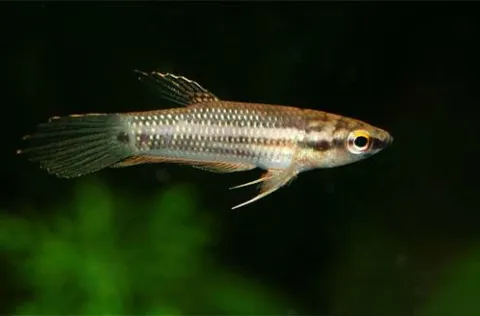
Adults of this species reach 8–9 cm in length. They have a strong, powerful body and relatively short fins. The main coloration of the fish is dark red. Males differ from females not only in size—they are larger and their coloration is brighter, and their head has a wider shape.
Its homeland is Southeast Asia, specifically the Malaysian part of Borneo Island, its northern tip. This fish inhabits the basin of the Maliau River, which flows across a plateau surrounded by hills and densely covered with tropical forest. The typical habitat is a shallow, dimly lit body of water in the heart of the jungle, where the bottom is covered with a thick layer of fallen leaves, branches, snags, and other plant material. The water in such places acquires a rich brown hue due to the high concentration of humic acids and other tannins formed during the decomposition of organic matter.
These fish belong to the fighter group, which, along with their name, clearly indicates the challenging nature of Betta gladiator. Males are known for their combativeness: they constantly fight each other for dominance within the intraspecific hierarchy, and these skirmishes often lead to injuries. The risk of injury significantly increases if males are kept in a small volume without enough hiding places. Aggression can extend not only to conspecifics but also to females or other fish species with similar coloration or body shape. Females recently introduced to the aquarium, unfamiliar to the male, usually suffer from attacks. It is recommended to keep one male and one or more females that have grown up together, i.e., were acquired from the same batch, avoiding fish from different sources. Hardy species of comparable or slightly larger size are suitable as tank mates.
For a pair of these fish, an aquarium of at least 80 liters is required. The chosen decor does not play a decisive role. Some aquarists minimize it, sometimes even foregoing substrate to simplify maintenance. However, it is recommended to create several shaded areas using driftwood and dense plant thickets or to use decorative elements that can serve as shelters. Like other members of the genus, Betta gladiator prefers subdued lighting, so when using live plants, choose shade-tolerant species. Adding dried leaves from certain trees will make the decor more natural and also provide tannins, which will give the water a chemical composition close to the fish's natural biotope. A stable aquatic environment is a key condition for successful keeping. It is necessary to maintain low pH and dGH values and prevent the accumulation of waste (especially important with high-protein diets) that can disrupt the normal nitrogen cycle. Regular aquarium maintenance and the uninterrupted operation of equipment, primarily the filtration system, are guarantees of maintaining biological balance.
In natural conditions, the diet of these fish likely consists of small invertebrates and freshwater shrimp that inhabit the same environment. In a home aquarium, the diet can be based on a variety of foods popular among aquarists: dry, frozen, and live. The latter, however, are the most preferred. For example, brine shrimp, daphnia, as well as bloodworms, pieces of shrimp, and earthworms would be good choices.
The breeding process for these fish is generally straightforward, provided they are kept in suitable conditions and receive a complete diet. During the breeding period, the male forms a temporary pair with one of the females. As noted earlier, for successful breeding, it is important that they grow up together, as this helps avoid compatibility issues. After prolonged courtship, spawning begins, accompanied by tight embraces where the partners press closely against each other, intertwining their bodies. At the climax, eggs are released and fertilized. The male collects all the eggs in his mouth and will brood them throughout the incubation period, which can last up to a month. This strategy of protecting offspring is characteristic of many Betta species and ensures the survival of fry in the unfavorable environment of tropical swamps. During this period, the male retreats to a quiet place or hides in a shelter. He becomes most vulnerable, and should not be disturbed to avoid accidental consumption of offspring or premature release of eggs.
Most health problems in fish often arise from unsuitable keeping conditions. Maintaining a stable and comfortable habitat is a key factor for successful keeping. If symptoms of illness appear, the first step is to check the water quality. If deviations are found, it is important to take immediate measures to eliminate them. If the symptoms do not disappear or worsen, medicinal treatment may be required.
When purchasing Betta gladiator, select only active individuals with clean fins and no visible body damage. Due to pronounced intraspecific aggression, it is highly inadvisable to acquire fish from overcrowded community tanks, where they may be exhausted or injured during constant skirmishes. A healthy fish should show interest in its surroundings and have no signs of apathy or deep skin ulcers. It is important to note that this species is often supplied by special order, so when purchasing, ensure correct identification to avoid confusing it with other members of the unimaculata species complex. Refuse to purchase fish that appear excessively timid, hide in corners, or have sunken flanks, as this may indicate stress or hidden diseases characteristic of wild specimens.
The essentials: size, tank volume, water parameters and care
An adult reaches 8–9 cm in length. Plan the tank around the maximum size: the fish quickly outgrows a cramped setup.
The recommended volume is 80 L. A smaller tank speeds up nitrate build-up and raises stress levels.
Temperature 22–27 °C, pH 4–6, hardness 1–5 dGH. Stability matters more than exact values: sudden swings are harder on the fish than a small deviation from the ideal.
Around 3 years when kept properly. Lifespan depends directly on tank volume, water quality and a varied diet.
Temperament: semi-peaceful (including aggression during spawning / intraspecific conflicts). Keep this in mind when choosing tank mates.
Recommended setup: mixed (solitary / pair / group). Ignoring this is a common cause of stress and disease.
Diet type: any (universal). Feed small portions that are finished within a couple of minutes — overfeeding does more harm than underfeeding.
The scientific name of the species is Betta gladiator, family Osphronemidae.
The water suits 171 of 208 plants in the catalogue — the easiest ones are shown first.
African Onion PlantAmazon FrogbitAmazon SwordAnacharisAnubiasArrowhead CryptDwarf CloverDwarf CloverDwarf HygrophilaDwarf SagittariaGuppy GrassHornwortJava FernJava MossMoneywortMud SwordNair's LagenandraNarrow Leaf AnacharisNarrow-leaf CloverStringy MossSüsswassertangTaiwan MossTemple PlantUssuri Watermilfoil
Matched by family, categories and overlapping keeping conditions
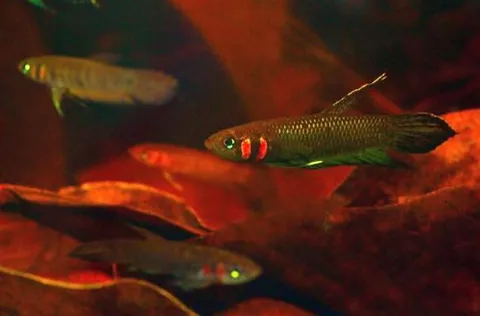
Betta mandor
The Betta mandor fish, officially named Betta mandor by scientists, belongs to the family Osphronemidae. Before this species was scientifically described in 2006, it was nicknamed "Ninja Betta." This name was given due…
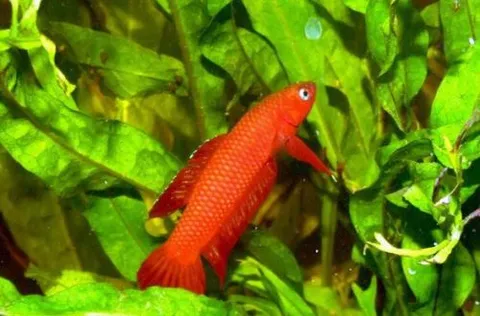
Betta uberis
Betta uberis, or Betta Ubera, is classified in the family Osphronemidae. This species of Betta fish is not recommended for beginner aquarists, as it requires maintaining very strict hydrochemical water parameters.
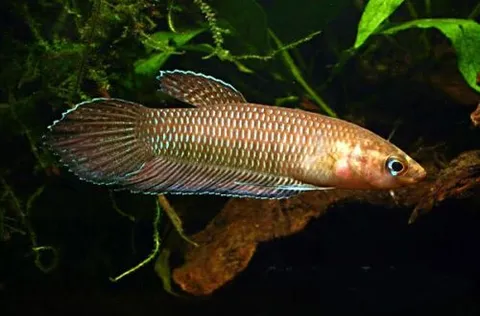
Betta simorum
Betta simorum, or Sima's Betta, is the name of this fish, which belongs to the family Osphronemidae. The species is named after Thomas Sim, the owner of Sindo Aquarium Pte. Ltd. (Jambi, Indonesia) and the first exporter…
Betta pugnax
A member of the Osphronemidae family, the Malayan Betta, scientifically known as Betta pugnax, may not appear as brightly colored as many other Betta species. Nevertheless, this species possesses its own advantages and…