Temperature15 – 22 °C
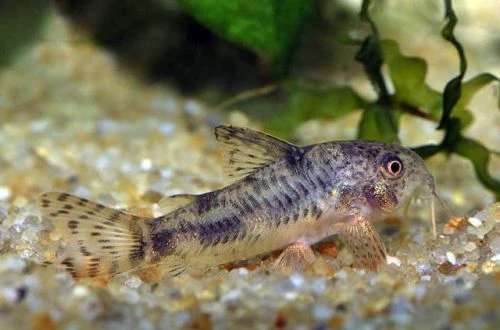
Corydoras carlae, also known by its scientific name Corydoras carlae, belongs to the family Callichthyidae – these are armored or callichthyid catfishes. The catfish was named in honour of Mrs Carla Lindenaar-Sparrius; the species was described in 1983 and occurs in northern Argentina.
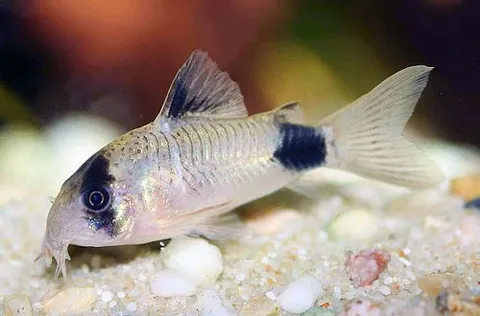
Adult fish of this species typically grow up to 4 centimeters in length. The external features of Corydoras carlae are similar to other closely related species, such as Corydoras ehrhardti or the Peppered Corydoras. However, it is easily distinguished by two large, slightly blurred dark spots located in the center of each flank.
The species is endemic to the Iguazu River basin in Misiones Province, Argentina. In nature, it inhabits small tributaries of the lower Iguazu, preferring areas with clear water, moderate to fast currents, and dense riparian vegetation. The water bodies are characterized by significant seasonal fluctuations in temperature, water level, and chemical composition.
A peaceful and schooling fish, exhibiting social activity. For comfortable existence, it is recommended to keep a group of 4–6 or more individuals. In the aquarium, the fish spend most of their time in the lower water column, actively exploring the substrate in search of food. The species has the ability to breathe intestinally, so it periodically rises to the surface for a gulp of atmospheric air.
The Corydoras carlae catfish is an excellent inhabitant for a home freshwater aquarium. Even beginner aquarists will find it easy to provide suitable conditions if they follow a few simple recommendations. First, a spacious aquarium of 60–80 liters or more is needed for a group of 4–6 of these fish, equipped with a soft substrate and several shelters on the bottom. Natural driftwood, artificial decorations, or dense plant thickets can serve as shelters. Second, maintaining water purity and stable hydrochemical parameters within acceptable limits is key. It is worth noting that the comfortable temperature for this Corydoras species is somewhat lower than for its relatives. Third, a balanced diet must be provided, using only high-quality products. The diet can consist of various sinking dry, freeze-dried, or frozen foods. Finally, avoid cohabitation with aggressive or territorial fish species. Corydoras carlae get along well with other peaceful and miniature aquarium inhabitants. They prefer to be in the company of their kin, so it makes sense to acquire a group consisting of at least 4 individuals.
An omnivorous species that, in nature, feeds on small invertebrates and organic particles found in the substrate. In aquarium conditions, it accepts most types of sinking dry foods, as well as frozen and live foods such as bloodworms or tubifex. It is important to provide a varied diet and not rely solely on leftover food from other fish.
Information on breeding in captivity is limited. Like many other members of the genus, this species lays eggs on the substrate, cleaning it beforehand. Females are usually larger and more robust than males, which is especially noticeable during the spawning period. To stimulate reproduction in aquarium conditions, imitation of seasonal changes in water parameters is often used.
No specific species-specific diseases have been recorded. Like other armored catfishes, the species is sensitive to water purity and substrate quality. In biologically immature aquariums or when sanitary conditions are violated, fin and skin lesions are possible. Caution should be exercised when catching them, as their sharp pectoral fins can injure human skin and get caught in nets.
When purchasing, choose active fish with clean fins and no visible body damage. It is important to ensure that the catfish show interest in foraging on the bottom. Avoid individuals with sunken bellies or signs of apathy. Given the rarity of the species in commercial sale, it is recommended to clarify the origin of the individuals with the supplier.
The essentials: size, tank volume, water parameters and care
An adult reaches 4 cm in length. Plan the tank around the maximum size: the fish quickly outgrows a cramped setup.
The recommended volume is 60 L. A smaller tank speeds up nitrate build-up and raises stress levels.
Temperature 15–22 °C, pH 6.5–8, hardness 3–15 dGH. Stability matters more than exact values: sudden swings are harder on the fish than a small deviation from the ideal.
Around 5 years when kept properly. Lifespan depends directly on tank volume, water quality and a varied diet.
Temperament: peaceful (regular). Keep this in mind when choosing tank mates.
Recommended setup: small group (5–6 individuals). Ignoring this is a common cause of stress and disease.
Diet type: sinking (any). Feed small portions that are finished within a couple of minutes — overfeeding does more harm than underfeeding.
The scientific name of the species is Corydoras carlae, family Armored Catfish (Callichthyidae).
The water suits 196 of 208 plants in the catalogue — the easiest ones are shown first.
Afzelius's AnubiasAnacharisAnubiasBrazilian PennywortDwarf CloverDwarf CloverDwarf HygrophilaDwarf SagittariaDwarf ValGuppy GrassHornwortJava FernJava MossMoneywortMud SwordNarrow Leaf AnacharisNarrow-leaf CloverStringy MossSüsswassertangTaiwan MossTape GrassTemple PlantUssuri WatermilfoilWater Wisteria
Matched by family, categories and overlapping keeping conditions
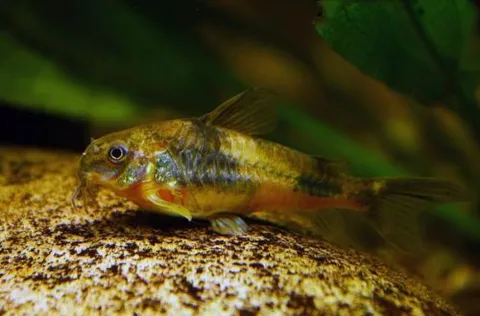
Corydoras ehrhardti
Ehrhardt's Corydoras, known by its scientific name Corydoras ehrhardti, is a member of the Armored Catfish or Callichthyidae family. The specific name honours Mr. W. Ehrhardt; the species itself was described in 1910 by…
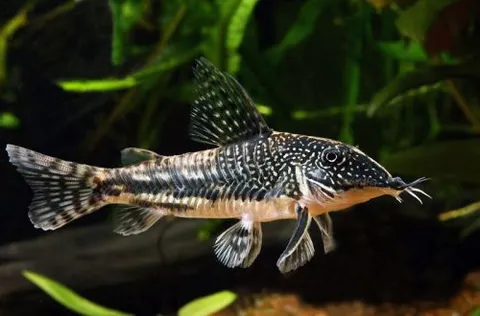
Scleromystax barbatus
Scleromystax barbatus, known as the Plated Cory or Bearded Cory, belongs to the Callichthyidae family. This species is considered the largest among the Corydoras genus, reaching approximately 10 cm in length. Otherwise,…
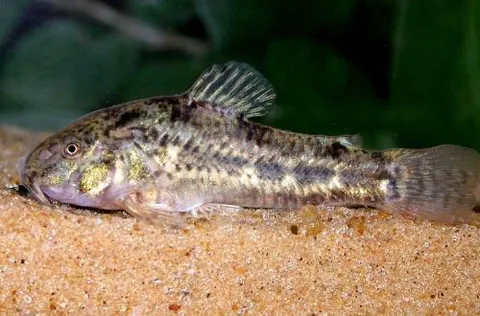
Corydoras gladysae
Gladys's Corydoras, scientifically known as Corydoras gladysae, is a member of the family Callichthyidae, which includes armored or callichthyid catfishes. The species is named after ichthyologist Gladys Ana María…
Corydoras panda
The Panda Corydoras, widely known as the Panda Catfish or Panda Cory (scientific name Corydoras panda), belongs to the family Callichthyidae. These fish originate from the upper Amazon River basin, where the foothills…