Temperature20 – 24 °C
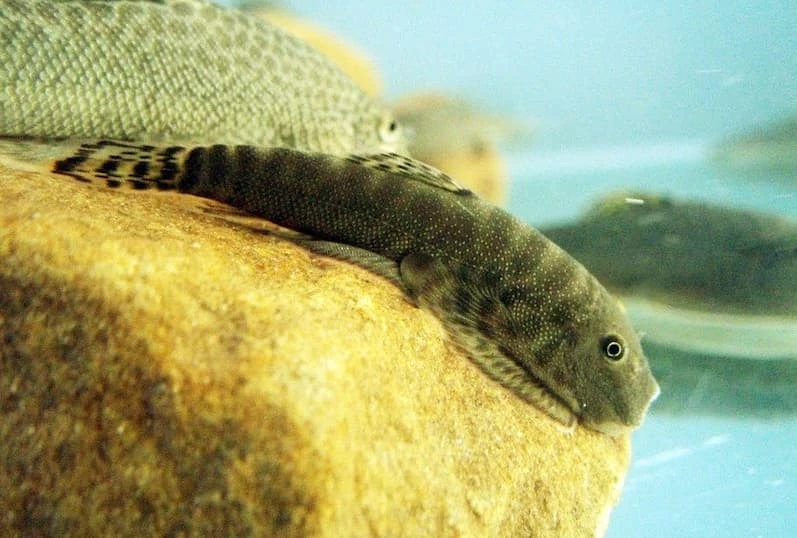
Gastromyzon cornusaccus, also known by its scientific name Gastromyzon cornusaccus, belongs to the family Balitoridae, or river loaches. It is quite rare in the aquarium trade, and its primary distribution area is among enthusiasts' and connoisseurs' collections.
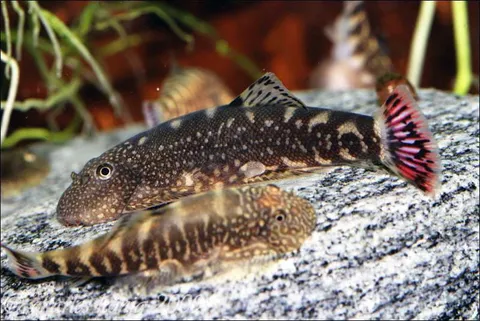
Gastromyzon cornusaccus is a small fish, reaching about 5 cm in length. Its body is highly flattened, which, combined with modified pectoral and pelvic fins, forms a powerful suction disc, allowing it to cling to rocks in strong water currents. Adult specimens have a uniform body coloration, while juveniles exhibit a characteristic pattern of cream stripes and spots. Sexual dimorphism is weakly expressed: females are usually larger and have a wider body, which is noticeable when viewed from above or below.
The species is endemic to the island of Borneo, inhabiting the Kinarom River in Sabah, Malaysia. Its natural habitat consists of shallow sections of mountain rivers with fast currents, clean, and oxygen-rich water. The fish dwell on rocky bottoms among boulders and pebbles covered with a biofilm of algae and microorganisms.
This is a peaceful but territorial species, leading a benthic lifestyle. The fish prefer to live in groups, so it is recommended to keep at least 4 individuals to observe their natural behavior. Within the group, demonstrative skirmishes for the best feeding spots are possible, which rarely result in injuries. They are compatible with small, peaceful inhabitants of rheophilic aquariums that can thrive in strong current conditions.
For keeping, an aquarium with powerful filtration is necessary to ensure a strong current and a high level of dissolved oxygen. It is important to use a mature aquarium with an abundance of smooth rocks and pebbles on which algae actively grow. A tightly fitting lid is essential, as the fish can move along the glass and may leave the aquarium. Water parameters: temperature 20–24 °C, pH 7–8, hardness 2–15 dGH.
In nature, they primarily feed on benthic algae and associated microorganisms. In the aquarium, they accept high-quality dry foods, frozen, and live foods such as bloodworms, but the main part of their diet should consist of plant-based components. To maintain their health, it is important to ensure a constant presence of aufwuchs on rocks or to use specialized vegetable foods.
Breeding in an aquarium is extremely difficult and practically unstudied. There are only isolated descriptions of spawning attempts, which required imitation of seasonal temperature changes and specific flow conditions. Eggs are laid on the substrate, and fry are extremely demanding regarding water quality and the availability of natural food.
Fish are sensitive to water quality and oxygen levels. Under poor keeping conditions, they are prone to bacterial skin infections and ectoparasite infestations. It is important to avoid overheating the water, as high temperatures reduce the content of dissolved oxygen, leading to a weakened immune system. Signs of ill health include refusal to eat, emaciation, and the appearance of whitish spots on the body.
When purchasing, choose active specimens that constantly move across surfaces and scrape for food. Avoid fish showing signs of emaciation, sunken bellies, or skin damage. Healthy individuals should appear plump and exhibit natural behavior, clinging to decorations or glass. It is recommended to ask the seller what the fish were fed in the store.
The essentials: size, tank volume, water parameters and care
An adult reaches 5 cm in length. Plan the tank around the maximum size: the fish quickly outgrows a cramped setup.
The recommended volume is 80 L. A smaller tank speeds up nitrate build-up and raises stress levels.
Temperature 20–24 °C, pH 7–8, hardness 2–15 dGH. Stability matters more than exact values: sudden swings are harder on the fish than a small deviation from the ideal.
Around 4 years when kept properly. Lifespan depends directly on tank volume, water quality and a varied diet.
Temperament: peaceful (regular). Keep this in mind when choosing tank mates.
Recommended setup: small group (3–4 individuals). Ignoring this is a common cause of stress and disease.
Diet type: plant-based (algae, vegetables). Feed small portions that are finished within a couple of minutes — overfeeding does more harm than underfeeding.
The scientific name of the species is Gastromyzon cornusaccus, family River Loaches (Balitoridae).
The water suits 113 of 208 plants in the catalogue — the easiest ones are shown first.
African Onion PlantAfzelius's AnubiasAmazon FrogbitAmazon SwordAnacharisAnubiasArrowhead CryptAsian WatermossDwarf CloverDwarf CloverDwarf HygrophilaDwarf SagittariaDwarf ValGuppy GrassHornwortJava MossMoneywortMud SwordNarrow Leaf AnacharisNarrow-leaf CloverStringy MossTaiwan MossTape GrassUssuri Watermilfoil
Matched by family, categories and overlapping keeping conditions
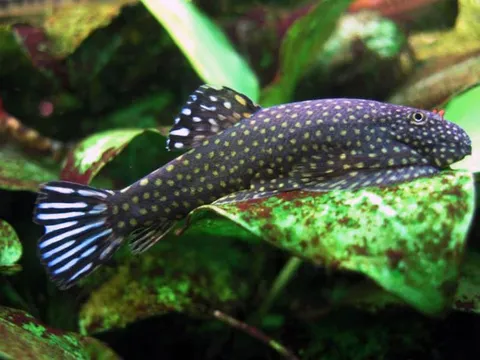
Gastromyzon ctenocephalus
Gastromyzon ctenocephalus, also known as the Gastromyzon ctenocephalus, belongs to the family Balitoridae, which includes river loaches. This fish is endemic to the island of Borneo, or Kalimantan, and is found…
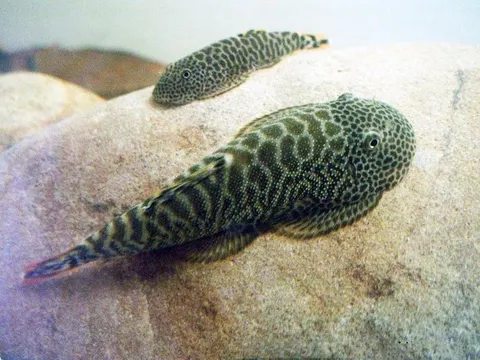
Gastromyzon monticola
Gastromyzon monticola, known as the Gastromyzon monticola, is a representative of the Balitoridae family (River Loaches). This species is endemic to the island of Borneo, also known as Kalimantan. Its natural habitat is…
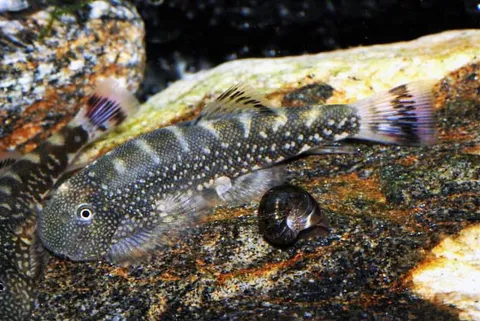
Gastromyzon farragus
Among the representatives of the genus Gastromyzon, Gastromyzon farragus — such is its scientific name — is one of the most common species in the aquarium trade. This fish, belonging to the family Balitoridae (river…
Gastromyzon ocellatus
Gastromyzon ocellatus is an aquarium inhabitant from the family Balitoridae, also known as River Loaches. Its natural habitat is strictly limited to the island of Borneo: in the wild, it is found only in the Sarawak…