Temperature23 – 26 °C
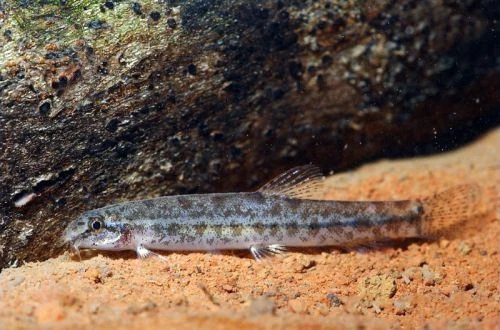
Hasselt's Loach, scientifically known as Lepidocephalichthys hasselti, belongs to the family Cobitidae. This species of aquarium fish is known for its hardiness and undemanding nature regarding keeping conditions. Thanks to its peaceful temperament, it coexists well with many popular aquarium inhabitants, making it an excellent choice for those just starting their journey in aquaristics.
Adults typically reach a length of 4 to 6 cm. Their body is elongated and slender, and their fins are translucent. The mouth is located on the underside of the head and is surrounded by sensitive barbels, which help the fish find food. Body coloration varies depending on the region of origin, but the main tone remains gray, with a silvery belly. Sexual dimorphism is weakly expressed: females are practically indistinguishable from males, which are usually slightly smaller. Members of the family Cobitidae, specifically loaches, have small spines or thorns used for defense, usually hidden under the skin. When danger arises, for example, when attempting to catch the fish for transfer or during aquarium cleaning, they release these spines. It is important to exercise caution so that the fish does not get entangled in the net or injure the aquarist when trying to handle it.
This fish originates from Southeast Asia, found in Thailand, Laos, Cambodia, Vietnam, and on the islands of Java and Sumatra. It is most often found in shallow, stagnant waters and small rivers with slow currents. Typical substrates for them are soft, silty bottoms, covered with fallen leaves, branches, and various snags. Water conditions can vary significantly depending on the season. For example, during the dry season, the water often 'blooms' with algae, while during the wet season, it can be both crystal clear and very turbid. These fish are capable of successfully adapting even to quite extreme conditions. There have been cases where they were found in a shallow (up to half a meter) puddle, connected to a river only by a small channel, where there was no vegetation, and the bottom was pure mud. Wild animals at that time used this drying puddle as their only water source. Some individuals survived the dry season in puddles where the silt and water formed a consistency similar to porridge.
These fish have a peaceful and calm disposition, coexisting perfectly with other species. Due to their small size, it is not recommended to house them with large bottom dwellers. The optimal choice would be schooling species of small cyprinids or characins that prefer the middle or upper water layers.
For a group of 4–5 fish, an aquarium of about 50 liters will suffice. When decorating, preference should be given to a soft sandy substrate, as the fish sometimes completely bury themselves in it, leaving only their eyes visible on the surface. The use of gravel and other hard substrates is unacceptable in this case. Snags, whether natural or artificial, will be an important decorative element. To give the water a characteristic 'tea' tint, it is recommended to add Indian almond leaves. It is advisable to maintain subdued lighting. The presence of aquatic vegetation is not mandatory, but if desired, shade-loving species should be chosen. Caring for Lepidocephalichthys hasselti does not require significant time, as the fish is very undemanding. Regular procedures are limited to cleaning the substrate from organic waste and weekly water changes of 15–20% of the volume with fresh water.
The feeding process of these fish involves sifting the substrate with their mouths, retaining small zooplankton living in the substrate. In a home aquarium, Lepidocephalichthys hasselti will also actively dig through the substrate. It is important to offer them exclusively sinking foods, such as dry flakes or pellets, as well as live or frozen products: bloodworms, daphnia, artemia.
Currently, there have been no successful reports of breeding Hasselt's Loach in home aquariums.
Non-ornamental fish species that have retained a close resemblance to their wild relatives usually exhibit high endurance, strong immunity, and resistance to various diseases. The occurrence of health problems most often indicates unsuitable keeping conditions. Therefore, before proceeding with treatment, it is strongly recommended to check the water quality and parameters. Only after all indicators have been brought back to normal should treatment begin, if it is still necessary.
When purchasing, choose individuals with clean skin without visible spots, film, ulcers, or damage. A healthy fish should show natural activity and not appear emaciated or apathetic. Avoid specimens that constantly lie on their side or make chaotic movements, as this may indicate health problems or stress from improper keeping conditions in the store. Pay attention to the fish's behavior in the aquarium: they should demonstrate interest in searching for food in the substrate. Since loaches are bottom dwellers, their eyes should be clear, and their breathing rhythmic. Given the presence of suborbital spines, be careful during transportation, as in a state of severe stress, the fish may get entangled in the net or injure itself and other inhabitants.
The essentials: size, tank volume, water parameters and care
An adult reaches 4–6 cm in length. Plan the tank around the maximum size: the fish quickly outgrows a cramped setup.
The recommended volume is 50 L. A smaller tank speeds up nitrate build-up and raises stress levels.
Temperature 23–26 °C, pH 5.5–7.5, hardness 2–10 dGH. Stability matters more than exact values: sudden swings are harder on the fish than a small deviation from the ideal.
Around 4 years when kept properly. Lifespan depends directly on tank volume, water quality and a varied diet.
Temperament: peaceful (regular). Keep this in mind when choosing tank mates.
Recommended setup: small group (3–4 individuals). Ignoring this is a common cause of stress and disease.
Diet type: sinking (any). Feed small portions that are finished within a couple of minutes — overfeeding does more harm than underfeeding.
The scientific name of the species is Lepidocephalichthys hasselti, family Cobitidae (Loaches). It also appears in the literature as: Cobitis hasselti, Cobitis octocirrhus, Lepidocephalichthys nudus.
The water suits 198 of 208 plants in the catalogue — the easiest ones are shown first.
Afzelius's AnubiasAnacharisAnubiasBrazilian PennywortDwarf CloverDwarf CloverDwarf HygrophilaDwarf SagittariaDwarf ValGuppy GrassHornwortJava FernJava MossMoneywortMud SwordNair's LagenandraNarrow Leaf AnacharisNarrow-leaf CloverStringy MossSüsswassertangTaiwan MossTape GrassTemple PlantUssuri Watermilfoil
Matched by family, categories and overlapping keeping conditions
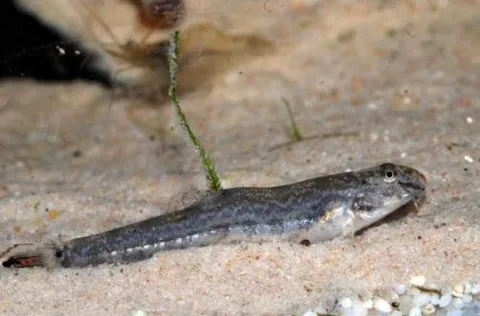
Lepidocephalichthys annandalei
The scientific name Lepidocephalichthys annandalei refers to a fish known as the Peacock Eel or Annandale's Loach, belonging to the family Cobitidae (Loaches). It owes its name to Dr. N. Annandale, who was the director…
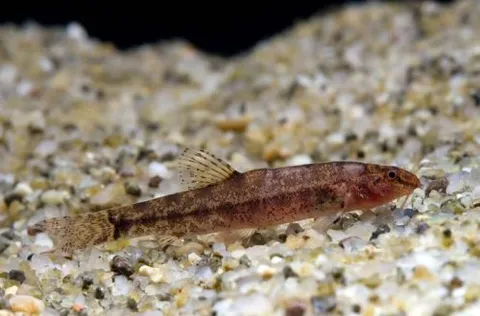
Lepidocephalichthys furcatus
The Forktail Loach, scientifically known as Lepidocephalichthys furcatus, belongs to the family Cobitidae (Loaches). Although not distinguished by bright coloration, these fish possess other valuable qualities: they are…
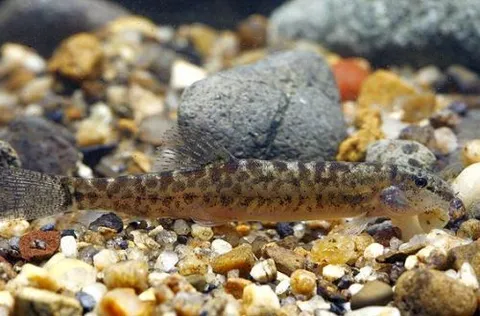
Lepidocephalichthys kranos
The Kranos Loach, scientifically known as Lepidocephalichthys kranos, belongs to the family Cobitidae (Loaches). Its name, "kranos," comes from Greek and means "helmet," referring to the characteristic bony plates that…
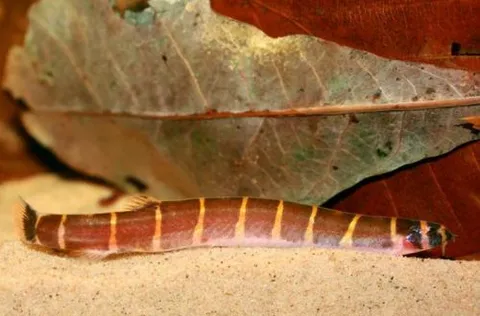
Pangio myersi
The fish known as Myers's Loach, or Pangio myersi by its scientific name, is a member of the Cobitidae family, which includes loaches. It was named in honor of Dr. George Sprague Myers of Stanford University, whose…