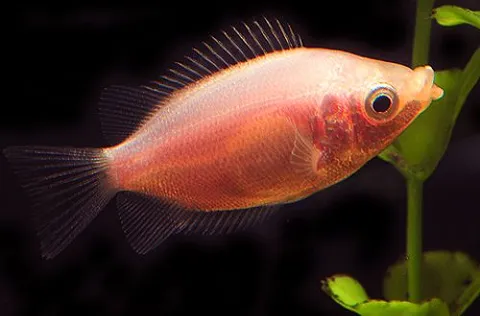
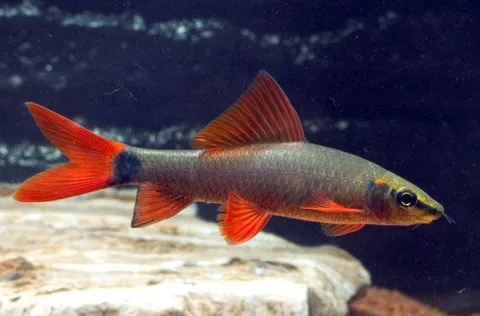
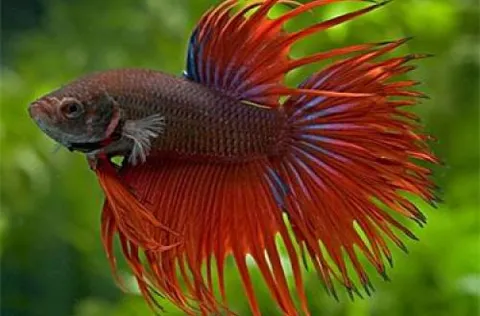
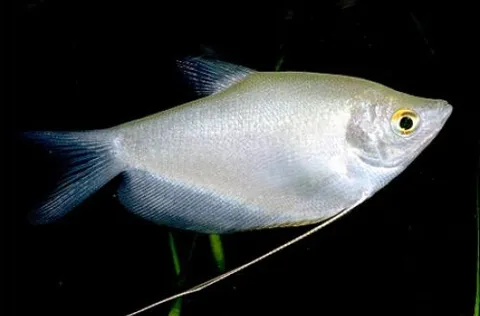
It is a common misconception that labyrinth fish thrive in low-oxygen water. While they can survive in such conditions for a certain period, giving them a competitive advantage in the wild, in a closed aquarium system, oxygen deficiency often leads to problems with the decomposition of organic waste and an increase in the concentration of toxins, which are harmful to all inhabitants. It is important to equip the aquarium with an effective filtration and aeration system, however, the water flow from the equipment should not be too strong, as these fish prefer weak currents or stagnant water; otherwise, constant stress is inevitable. Other necessary equipment includes a heater and a lighting system. The presence of an aquarium lid is particularly important: a humid environment with an elevated temperature forms beneath it, minimizing the risk of damage to the fish's labyrinth organ when breathing atmospheric air due to temperature contrast. The fish's brightest colors are displayed against a dark substrate of fine gravel; to prevent excessive digging, small flat stones or plates with smooth edges can be placed on the substrate. It is also recommended to provide hiding places in the form of snags, roots, or artificial objects (e.g., ships, castles); their number should correspond to the number of fish. For example, for two Gouramis, two hiding places are desirable. A large number of plants is welcome; they can be planted along the aquarium walls and in groups around snags, and floating plants can also be used. The latter are a supplement to the fish's natural diet.