Temperature22 – 26 °C
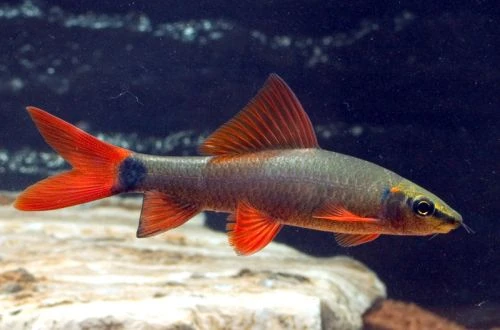
The striking fish with the scientific name Epalzeorhynchos frenatum, known as the Green Labeo, belongs to the family Cyprinidae. Its distinguishing feature is its vibrant green body coloration, which contrasts beautifully with its rich red fins. This species shares many characteristics with its closest relative, the Red-tailed Black Shark (Labeo bicolor), including its care requirements. Despite the extreme difficulty of breeding Green Labeos in home aquariums, they remain very popular among aquarists. All specimens available for sale are typically sourced from commercial fish farms in Thailand.
These fish have an elongated, graceful body shape. On the lower lip, there is a sucker equipped with horny plates, which helps scrape algae and organic deposits from various surfaces in the aquarium. The main body color is greenish, reminiscent of swampy hues, while the fins are brightly red. It should be noted that artificially bred color variations also exist.
The natural habitats of these fish span Southeast Asia, including the territories of modern-day Thailand, Laos, and Cambodia. However, determining the precise size of their natural populations today is difficult. Habitat destruction caused by dam construction and the draining of wetlands has led to a significant reduction in the species' numbers, putting it at risk of extinction. Currently, all commercial trade relies on fish bred in artificial conditions. In their natural environment, they prefer small streams and rivers with sandy or rocky bottoms, and during the rainy season, they migrate to flooded areas of the forest floor.
These fish prefer a solitary existence, and group formation is exclusively temporary, mainly associated with the spawning period. With age, the fish become increasingly territorial and aggressive. For the Green Labeo, an ideal solution is a species-specific aquarium designed for a single specimen. Its own kind and similar-looking fishes — gyrinocheilus, garra and algae eaters — get the worst of it: the labeo harasses them constantly, so only a single specimen is kept per aquarium. Loaches are usually left in peace.
Like many fish whose lives unfold in flowing waters, the Green Labeo is very sensitive to water quality. Therefore, weekly water changes of 20–25% of the volume and siphoning the substrate to remove organic debris should become an integral part of their care. Regarding hydrochemical composition, the Green Labeo demonstrates remarkable adaptability, successfully tolerating a wide range of pH and dH values. To ensure optimal living conditions, it is recommended to install a powerful filter, an aerator, a heater, and a lighting system. In aquarium decor, preference is given to a gravel substrate with several large boulders, as well as various shelters created from driftwood, roots, and tree branches. With good lighting, wooden elements become an excellent basis for algae growth, which serves as an additional source of natural food. As for plants, any species with a well-developed root system will be suitable.
In natural conditions, the diet of these fish consists of plant detritus and algae, to which they incidentally add small crustaceans, insect larvae, and other aquatic life inhabiting plants. In an aquarium environment, it is important to provide a regular and varied diet, including both live or frozen foods (Daphnia, Artemia, bloodworms) and high-quality dry food mixes (granules, flakes). In addition, vegetable supplements are essential. Aquarists often use shelled peas, zucchini or cucumber, spinach, lettuce leaves, and pieces of fruit. These vegetable foods should be submerged to the bottom of the aquarium, using ties or rubber bands for anchoring. They should be refreshed every 2–3 days to prevent decomposition.
Achieving reproduction of these fish in a home aquarium is practically impossible. This process is handled by specialized fish farms, which use hormonal preparations for commercial breeding.
When favorable living conditions are maintained, health problems usually do not arise in these fish. Diseases most often manifest due to deteriorating conditions, an inadequate diet, or contact with infected individuals. It should be noted that some hereditary diseases may be inherent in artificially bred color variations, such as the Albino Red-tailed Black Shark.
When choosing a Green Labeo, attention should be paid to the fish's activity and the condition of its skin. A healthy specimen should have a bright, rich coloration, clean fins without signs of damage, white film, or erosions. Avoid purchasing fish with sunken bellies, signs of emaciation, or unnatural behavior, such as lethargy, constant hovering near the surface, or attempts to hide in the corner of the aquarium when a person approaches. Since the species is highly territorial, fish in stores are often under stress, which can temporarily suppress their aggression. It is recommended to purchase young specimens, as they adapt more easily to new conditions and get along better with tankmates in a community aquarium. Before purchasing, ensure that the fish shows interest in food and actively responds to external stimuli.
The essentials: size, tank volume, water parameters and care
An adult reaches 15 cm in length. Plan the tank around the maximum size: the fish quickly outgrows a cramped setup.
The recommended volume is 200 L. A smaller tank speeds up nitrate build-up and raises stress levels.
Temperature 22–26 °C, pH 6.5–7.5, hardness 5–15 dGH. Stability matters more than exact values: sudden swings are harder on the fish than a small deviation from the ideal.
Around 15 years when kept properly. Lifespan depends directly on tank volume, water quality and a varied diet.
Temperament: territorial (often aggressive). Keep this in mind when choosing tank mates.
Recommended setup: solitary. Ignoring this is a common cause of stress and disease.
Diet type: meat with plant additives (omnivores). Feed small portions that are finished within a couple of minutes — overfeeding does more harm than underfeeding.
The scientific name of the species is Epalzeorhynchos frenatum, family Cyprinids (Cyprinidae). It also appears in the literature as: Epalzeorhynchus frenatus, Labeo erythrurus, Labeo frenatus.
The water suits 197 of 208 plants in the catalogue — the easiest ones are shown first.
Afzelius's AnubiasAnacharisAnubiasBrazilian PennywortDwarf CloverDwarf CloverDwarf HygrophilaDwarf SagittariaDwarf ValGuppy GrassHornwortJava FernJava MossMoneywortMud SwordNair's LagenandraNarrow Leaf AnacharisNarrow-leaf CloverStringy MossSüsswassertangTaiwan MossTape GrassTemple PlantUssuri Watermilfoil
Matched by family, categories and overlapping keeping conditions
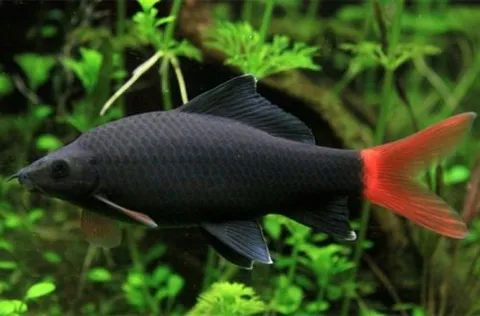
Epalzeorhynchos bicolor
Labeo Bicolor, also known as the Red-tailed Black Shark, is classified as Epalzeorhynchos bicolor and belongs to the family Cyprinidae. This attractive fish, known for its unpretentiousness and unique appearance, draws…
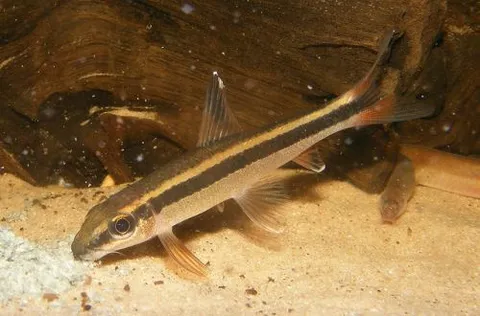
Epalzeorhynchos kalopterum
The Red-Finned Epalzeorhynchos, scientifically known as Epalzeorhynchos kalopterum, belongs to the carp family (Cyprinidae) and is often referred to as the Flying Fox. This active fish, while not boasting original…
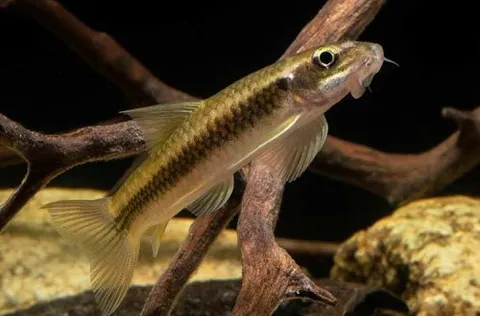
Garra ceylonensis
The Ceylon Garra, known scientifically as Garra ceylonensis, belongs to the carp family (Cyprinidae). As its name suggests, this species is endemic to Sri Lanka, formerly known as Ceylon, an island located in the Indian…
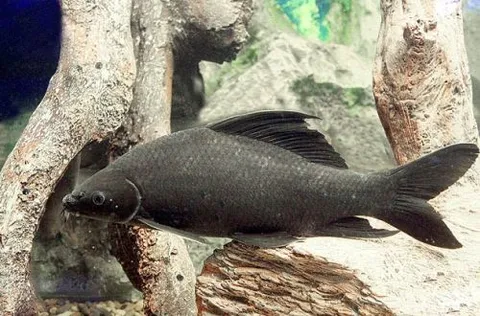
Labeo chrysophekadion
Labeo chrysophekadion, also known as the Black Labeo, belongs to the family Cyprinidae. Due to its impressive size and complex temperament, this species is quite demanding and not recommended for aquarium beginners.