Adrianichthyidae

Oryzias eversi

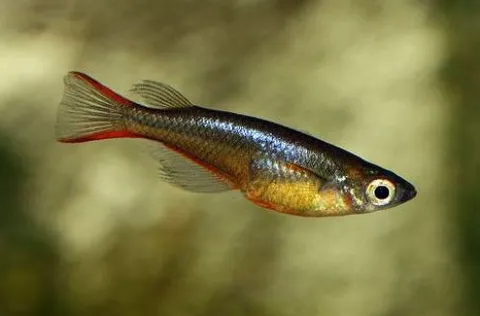
Oryzias eversi belongs to the family Adrianichthyidae. It is a small but very active fish. It is easy to keep and breed, and peaceful with many other species, making it an excellent choice for beginners in the hobby.

Tank
from 60 L (16 gal)
Temperature
18 – 24 °C (64 – 75 °F)
Size in aquarium
4 cm (1.6 in)
Acidity
pH 6–7.5
Natural rangeRange on the map
  • Sulawesi area
  • South Sulawesi area
  • Indonesia

Tank conditions

Plan the tank stocking
Temperature
18 – 24 °C (64 – 75 °F)
Water pH
Slightly acidic (6) – Neutral (7.5)
Water dH
Soft (5) – Hard (15)
Water salinity
no salt (freshwater)
Size in aquarium
4 cm (1.6 in)
Lifespan
2 years
Temperament
Semi-peaceful including aggression during spawning / intraspecific conflicts
Toward small fish
not a predator
Required aquarium volume
from 60 L (16 gal)
Lighting
dimmed
Substrate
soft sandy including silted
Water flow
moderate
Swimming level
near the surface
Feeding
Any (universal)
Keeping
Schooling usually from 5–6 individuals and more
  • Lifespan. A lifespan to expect under good care, not a measured value: it depends heavily on tank volume, water quality and diet — and for selectively bred forms, on their origin as well.
  • Toward small fish. Based on the Predators category in the catalog or the temperament in the species parameters. “A risk to small fish” means the species is not a predator by habit, yet will swallow any fish that fits in its mouth.
  • Required aquarium volume. This is a husbandry recommendation, not a measured value: the volume depends on the keeping mode (schooling (usually from 5–6 individuals and more)), footprint, decor and tank mates.

Care and keeping

Description

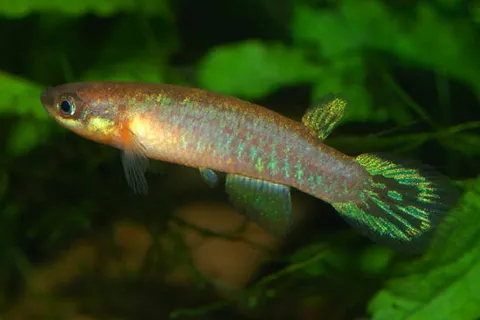
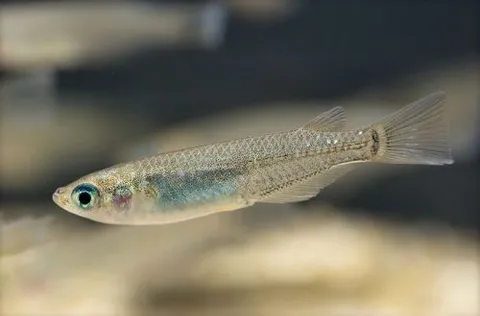
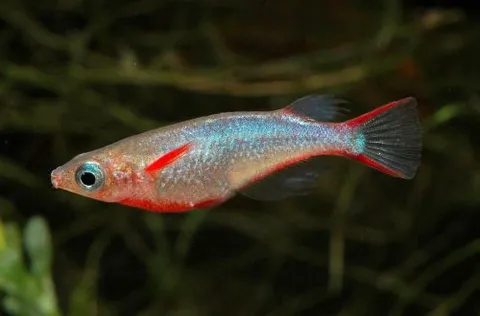
Adult Oryzias eversi reach about 4 cm in length. They resemble other members of the genus Oryzias. Males have more intense body colour, and their dorsal and anal fins are larger with elongated rays. Females have a silvery tone and much smaller fins. Otherwise they share the typical features of all ricefish.

Habitat

This species is naturally found in Southeast Asia, where it is endemic to the Indonesian island of Sulawesi, occurring only in its southern regions. Oryzias eversi inhabits small rivers and streams flowing through tropical forests. The water in these habitats is clear and clean, with stable and relatively low temperatures year-round. The aquatic vegetation consists mainly of algae attached to rocky surfaces.

Behavior and Compatibility

This is a peaceful schooling fish. Oryzias eversi should be kept in a group with others of its kind, but should not be housed with other related Oryzias species to avoid hybridisation. It gets along well with other calm fish of similar size.

Care and Maintenance

Due to its small size, a school of Oryzias eversi is comfortable in a tank of at least 60 litres. Tank décor is not critical and can be chosen to your preference. However, the fish looks most natural in a setup mimicking its natural habitat. Use sandy substrate with rocks, a few pieces of wood, and live plants. Adding dried leaves such as almond or oak leaves adds to the natural feel. Maintaining high water quality is essential for this species. Because these fish live in flowing streams, they are very sensitive to the buildup of organic waste. The tank must be equipped with a powerful filtration system. Weekly water changes of 20–30% and regular cleaning are also necessary. Overall, care for this species is comparable to that of other fish.
Diet

This species is not fussy about food and readily accepts various appropriately sized foods, whether dry, frozen, or live. For good health, offer a varied diet combining, for example, flakes or pellets with small bloodworms or brine shrimp.

Breeding and Reproduction

Breeding is straightforward: simply keep males and females together. A distinctive feature of Oryzias eversi, like all ricefish, is its unusual method of carrying eggs. The female lays 20–30 eggs that she carries attached by thin filaments like a bunch beneath her anal fin. The incubation period lasts about 18–19 days. During this time the female seeks shelter among dense plants to protect the eggs. After the fry hatch, parental instinct weakens and adults may eat their young. To improve survival, transfer the fry to a separate tank.

Diseases

These fish are hardy and undemanding. Disease usually appears only when conditions deteriorate significantly. In a balanced aquarium ecosystem, health problems are typically absent.

How to choose

When selecting Oryzias eversi, choose active individuals that school together and show no visible damage to fins or skin. Make sure the fish show natural curiosity and do not appear emaciated, as this species is sensitive to water quality and transport stress. In the shop, check that the tank is clean and there are no dead fish in neighbouring tanks, to avoid buying sick individuals. Since this is a rare species, ask the seller about the fish's origin and current care conditions.

Compatibility

There are no pair reviews for this species yet — check tankmates in the matcher.

All tankmates

Plants and this fish

Matching water does not mean the plant will stay intact.

Frequently asked questions

The essentials: size, tank volume, water parameters and care

How big does Oryzias eversi get?

An adult reaches 4 cm in length. Plan the tank around the maximum size: the fish quickly outgrows a cramped setup.

What size aquarium does Oryzias eversi need?

The recommended volume is 60 L. A smaller tank speeds up nitrate build-up and raises stress levels.

What water parameters does Oryzias eversi need?

Temperature 18–24 °C, pH 6–7.5, hardness 5–15 dGH. Stability matters more than exact values: sudden swings are harder on the fish than a small deviation from the ideal.

How long does Oryzias eversi live?

Around 2 years when kept properly. Lifespan depends directly on tank volume, water quality and a varied diet.

Is Oryzias eversi aggressive?

Temperament: semi-peaceful (including aggression during spawning / intraspecific conflicts). Keep this in mind when choosing tank mates.

How many Oryzias eversi should be kept together?

Recommended setup: schooling (usually from 5–6 individuals and more). Ignoring this is a common cause of stress and disease.

What does Oryzias eversi eat?

Diet type: any (universal). Feed small portions that are finished within a couple of minutes — overfeeding does more harm than underfeeding.

What is the scientific name of Oryzias eversi?

The scientific name of the species is Oryzias eversi, family Adrianichthyidae.

Similar fishes

Matched by family, categories and overlapping keeping conditions

Japanese Ricefish

Japanese Ricefish

Oryzias latipes

Adrianichthyidae

The Japanese Ricefish, scientifically known as Oryzias latipes, is a species belonging to the family Adrianichthyidae. This small and graceful fish has enjoyed consistent popularity in Southeast Asia for many centuries,…

Oryzias woworae

Oryzias woworae

Oryzias woworae

Adrianichthyidae

Oryzias woworae, known as the Sulawesi ricefish, is classified in the family Adrianichthyidae. This fish received its interesting name in honour of Daisy Wowor of the Museum Zoologicum Bogoriense on Java, Indonesia, who…

Ricefish

Ricefish

Oryzias asinua

Adrianichthyidae

Oryzias asinua, known as the Asian Ricefish, belongs to the family Adrianichthyidae and is part of the Killifish group, also called Toothcarps. This fish is a close relative of the Japanese Ricefish, inheriting its…

Rivulus luelingi

Rivulus luelingi

Atlantirivulus luelingi

Rivulidae

The fish, known by the scientific name Atlantirivulus luelingi (formerly Rivulus luelingi) and belonging to the family Rivulidae, is Rivulus luelingi. This species originates from shallow waters in the southern regions…

Other scientific names and conservation status

Conservation status
Near threatenedNT