Temperature18 – 22 °C
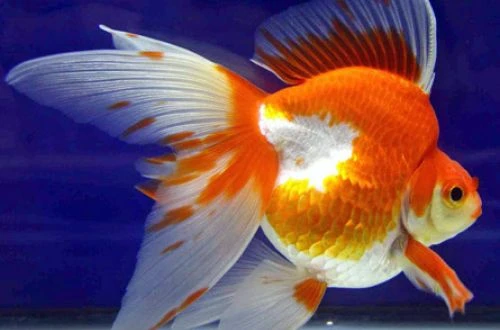
The Ryukin, known in English-speaking countries as the Ryukin Goldfish, is a Japanese adaptation of the Nymph goldfish. Although both varieties originated from a common ancestor, the Ryukin is distinguished by a high back, often referred to as a hump. This hump begins directly from the neck area, giving the body a pronounced conical silhouette when viewed from the side. The fish's body is short and rounded, and its caudal fin is clearly divided into two parts. Among the varieties, there is also the Long-tailed Ryukin, which is characterized by particularly long fins. The coloration of these fish is very diverse: one can find solid-colored individuals in red, orange, or white, as well as specimens with a combination of several shades. For example, a white coloration complemented by numerous irregularly shaped orange, red, or brown spots is quite common.
The Ryukin is a selectively bred form of goldfish with a characteristic egg-shaped, bloated body. A distinctive feature is a high dorsal "hump" that begins immediately behind the head. The dorsal fin is high and stands vertically. The caudal fin is forked, often long and flowing, with an angle between the lobes of about 90 degrees. Coloration varies from solid red, white, or black to variegated calico. Adult specimens can reach 15–20 cm in length. Sexual differences become noticeable during the spawning period: males become slimmer, and small white tubercles appear on their gill covers and pectoral fins.
The species is an artificially bred selective form and does not occur in natural conditions. The ancestors of goldfish originated from the waters of China, Korea, and Japan. In nature, their wild relatives inhabit stagnant or slow-flowing freshwater bodies with silty bottoms and abundant vegetation.
Ryukins are distinguished by their calm and peaceful disposition. They are quite active, but due to their body structure, they swim slower than many other fish. They are compatible with other peaceful species, but it is preferable to keep them in a species-specific aquarium or with other breeds of goldfish. When kept with active or aggressive tankmates, there is a risk of damage to their long fins.
A spacious aquarium of 75 liters per individual is required for keeping, as these fish create a high biological load. Powerful filtration and regular water changes are necessary. The optimal temperature is 18–22 °C, pH 6.0–8.0, and hardness 5–19 dGH. The substrate should be smooth, without sharp edges, to avoid injuries to fins and body. Plants with tough leaves are recommended, as the fish may nibble on them.
Ryukins are omnivorous and voracious. Their diet should include both animal and plant components. It is recommended to use specialized dry foods for goldfish, supplementing them with plant-based foods such as blanched lettuce or spinach. Feed in small portions several times a day, avoiding overfeeding, which often leads to digestive and swim bladder problems.
The fish are ready for breeding at about two years of age. For spawning, a separate aquarium of 50–80 liters with fine-leaved plants or special spawning substrates is used. A rise in temperature by 3–5 degrees and the addition of fresh, soft water serve as a stimulus. Typically, two to three males are placed with one female. After spawning, the parents are removed to prevent them from eating the eggs.
Ryukins are prone to diseases caused by poor water quality, overcrowding, and improper nutrition. Swim bladder disorders, fin rot, ichthyophthiriosis, and fungal infections are common. Prevention includes maintaining cleanliness, quality filtration, monitoring water parameters, and adhering to a feeding regimen. If signs of illness appear (lethargy, film, changes in body shape), isolation in a quarantine tank is required.
When choosing, pay attention to the fish's activity: a healthy individual should be active, with clean fins showing no signs of damage or film. The eyes should be clear, without cloudiness. Avoid fish with deformed spines, signs of emaciation, or an unnaturally bloated abdomen, unless it is due to overeating. It is recommended to observe the fish's behavior in the store to ensure there is no lethargy or problems with coordination.
The essentials: size, tank volume, water parameters and care
An adult reaches 15–20 cm in length. Plan the tank around the maximum size: the fish quickly outgrows a cramped setup.
The recommended volume is 75 L. A smaller tank speeds up nitrate build-up and raises stress levels.
Temperature 18–22 °C, pH 6–8, hardness 5–19 dGH. Stability matters more than exact values: sudden swings are harder on the fish than a small deviation from the ideal.
Around 15 years when kept properly. Lifespan depends directly on tank volume, water quality and a varied diet.
Temperament: semi-peaceful (dangerous to smaller ones). Not a predatory species, but small fish that fit in its mouth will eventually be eaten.
Recommended setup: mixed (solitary / pair / group). Ignoring this is a common cause of stress and disease.
Diet type: any (universal). Feed small portions that are finished within a couple of minutes — overfeeding does more harm than underfeeding.
The scientific name of the species is Carassius auratus, family Cyprinids (Cyprinidae). It also appears in the literature as: Carasius auratus, Carassius buergeri, Carassius burgeri.
The water suits 196 of 208 plants in the catalogue — the easiest ones are shown first.
Afzelius's AnubiasAnacharisAnubiasBrazilian PennywortDwarf CloverDwarf CloverDwarf HygrophilaDwarf SagittariaDwarf ValGuppy GrassHornwortJava FernJava MossMoneywortMud SwordNarrow Leaf AnacharisNarrow-leaf CloverStringy MossSüsswassertangTaiwan MossTape GrassTemple PlantUssuri WatermilfoilWater Wisteria
Matched by family, categories and overlapping keeping conditions
Carassius auratus
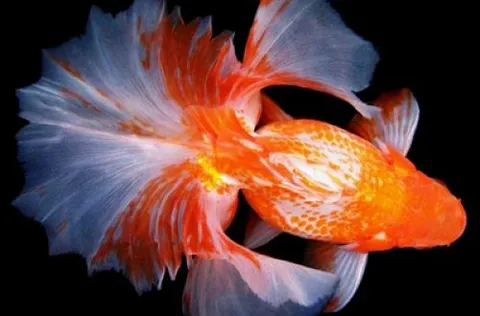
Among the many goldfish varieties, the Tosakin Goldfish stands out for its unique originality. Its main asset is a luxurious fan-shaped caudal fin, which reaches its maximum spread in the horizontal plane. Therefore,…
Carassius auratus
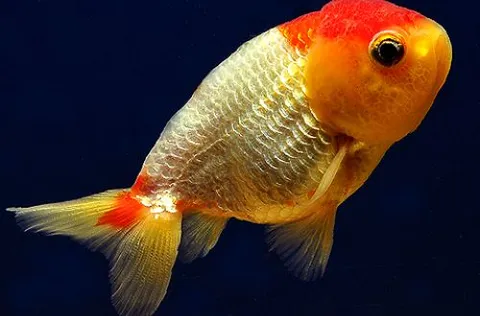
The Lionhead Goldfish attracts attention due to the unique growths forming a mane-like structure on its head. These growths are individual to each fish, and their presence is not a strict rule. Some individuals may…
Carassius auratus
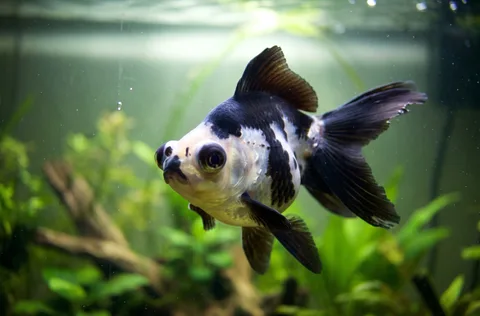
The trade name for this fish in English is Panda Goldfish. It encompasses several varieties, distinguished by their similar black and white body coloration. Initially, such a bicolored pattern was observed only in Black…
Carassius auratus
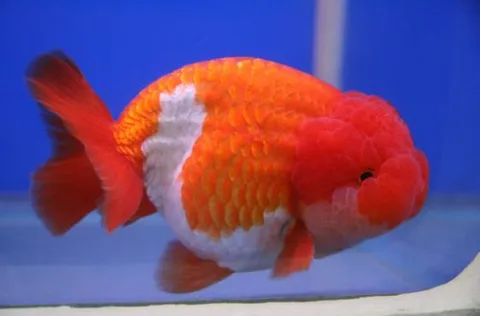
The Ranchu, also known as the Buffalo (or Ranchu Goldfish in English), holds a special place among valuable and popular aquarium inhabitants in Asia. In countries like China and Japan, there is an entire industry…