Temperature23 – 29 °C
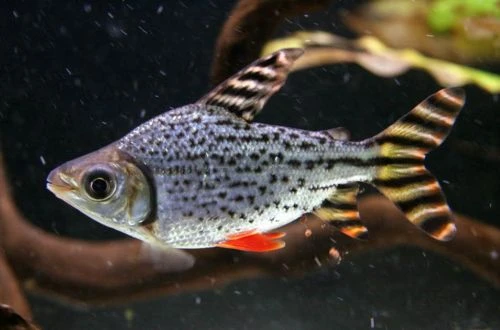
Semaprochilodus taeniurus, scientifically known as Semaprochilodus taeniurus, is a member of the family Prochilodontidae, or Prochilodontids. This is a rather large species that requires a special diet rich in plant matter. However, due to its size, specific dietary preferences, and difficulties in breeding, it is rarely found in home aquariums.
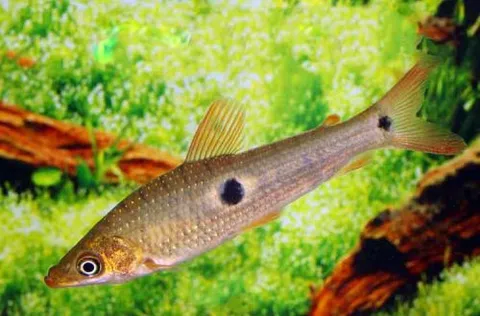
Adults can reach up to 30 cm in length, distinguished by a high body and a slightly elongated head. Their fins are large, and the body coloration is silvery, dotted with numerous dark specks. The anal, dorsal, and caudal fins are adorned with a striped pattern, while the pelvic fins have a bright red or scarlet hue. Outwardly, Semaprochilodus taeniurus is similar to the closely related species, the Many-barred Semaprochilodus, which differs by the absence of dark specks on its body in adulthood.
This species is widespread throughout the Amazon River basin (South America), inhabiting diverse natural biotopes. It can be found in the main channels of large rivers, as well as in numerous tributaries, forest streams, floodplain lakes, and swamps.
In confined aquarium spaces where there is insufficient room for retreat, a large group of Semaprochilodus taeniurus can exhibit aggression towards their conspecifics. For this reason, solitary or pair keeping is recommended. Under such conditions, the fish become calm and can peacefully coexist even with small species like tetras or danios.
Keeping these fish is not difficult, provided that a very spacious tank is available, with a minimum volume of 500 L for one or two adult specimens. Basic care includes standard procedures: weekly partial water changes, removal of organic waste, and equipment checks. It is important to provide the aquarium with a lid to prevent the fish from jumping out. The decor can be simple—a sandy substrate, a few snags, and thickets of plants are sufficient. When planning the internal space, it is important to leave ample swimming areas while also providing places for shelter. Semaprochilodus taeniurus tends to damage live plants, so preference should be given to fast-growing species with tough leaves and a strong root system. Mosses and ferns attached to the surface of stones and snags can be a good alternative.
In their natural habitat, the diet primarily consists of benthic organic deposits and aquatic vegetation, which is reflected in their digestive system's structure. Semaprochilodus have a double stomach: the first chamber contains abrasive substances (such as sand and small stones) that grind plant food, turning it into a homogeneous mass, which then moves to the second chamber for further digestion. In aquarium conditions, it is recommended to offer specialized dry foods with a high content of plant components. Blanched spinach, lettuce leaves, and pieces of cucumber or zucchini make excellent additions. It is advisable to periodically include live or frozen foods in their diet, such as Artemia, bloodworms, and other invertebrates.
Breeding such large fish in home aquariums presents significant difficulties due to their complex spawning cycle, which in nature is linked to migratory processes. In their natural environment, with the onset of the rainy season, a mass migration of fish upstream is observed. Forming shoals, they travel hundreds of kilometers in search of optimal spawning grounds. During this journey, they often have to overcome rapids and strong currents, using jumps similar to those of Far Eastern salmon. Upon reaching their destination, spawning occurs: females lay eggs in the water, which are then fertilized by males. The eggs are left to drift with the current downstream, and after some time, the fry reach the areas where their parents began their journey. In 1990, Brazilian researchers discovered an interesting pattern: not all fish participate in the annual migration, but only the strongest and most resilient individuals whose age does not exceed a certain limit. 'Older' Semaprochilodus remain in their previous locations, and their numbers sometimes significantly exceed those that embark on the journey. Thus, only a relatively small part of the population participates in the migration.
The species is highly sensitive to water quality and oxygen levels due to its natural habitat in fast-flowing rivers. When organic waste accumulates, or ammonia or nitrite levels are high, the fish quickly lose immunity, leading to the development of bacterial infections, manifesting as fin rot or body ulcers. They are also prone to stress when husbandry conditions are disrupted, which weakens the body and makes it vulnerable to fungal infections. Prevention includes installing powerful filtration, regular water changes, and maintaining high aeration.
When selecting individuals, pay attention to clean scales and the absence of damage, as any wounds quickly become infected. A healthy fish should be active, have brightly colored fins with clear patterns, and show interest in food. Avoid specimens with sunken bellies, signs of emaciation, or unnatural behavior, such as prolonged hovering near the surface or in the corners of the aquarium. In the store, it is important to consider that this species is schooling, so solitary individuals may experience severe stress, which negatively affects their condition after relocation.
The essentials: size, tank volume, water parameters and care
An adult reaches 30 cm in length. Plan the tank around the maximum size: the fish quickly outgrows a cramped setup.
The recommended volume is 500 L. A smaller tank speeds up nitrate build-up and raises stress levels.
Temperature 23–29 °C, pH 6–8, hardness 1–20 dGH. Stability matters more than exact values: sudden swings are harder on the fish than a small deviation from the ideal.
Around 10 years when kept properly. Lifespan depends directly on tank volume, water quality and a varied diet.
Temperament: semi-peaceful (including aggression during spawning / intraspecific conflicts). Keep this in mind when choosing tank mates.
Recommended setup: mixed (solitary / pair / group). Ignoring this is a common cause of stress and disease.
Diet type: plant-based (algae, vegetables). Feed small portions that are finished within a couple of minutes — overfeeding does more harm than underfeeding.
The scientific name of the species is Semaprochilodus taeniurus, family Prochilodontids (Prochilodontidae). It also appears in the literature as: Curimatus taeniurus, Prochilodus taeniurus, Semaprochilodus taenirus.
This fish damages plants, especially when its diet is short of vegetable food.
African Onion PlantAfrican Water FernAfzelius's AnubiasAmazon FrogbitAmazon SwordAnacharisAnubiasArrowhead CryptAsian WatermossBalansa Water TrumpetBanana PlantBarth's SwordBeckett's Water TrumpetBladderwort CarpetBlue BuceBog MossBoivin's AponogetonBolivian Chain SwordBrazilian PennywortBroad-leaf Water SpriteBrookweedBrown's LimnophilaBuceCardinal PlantCaribbean MintCarolina Micro SwordChristmas MossCognac AmmanniaCongo AnubiasCreeping JennyCreeping RushCreeping SpotflowerCreeping StaurogyneCrinkled AponogetonCupheaCutleaf WatermilfoilCylindricfruit LudwigiaDark SwordDelta ArrowheadDense Mayaca
Matched by family, categories and overlapping keeping conditions
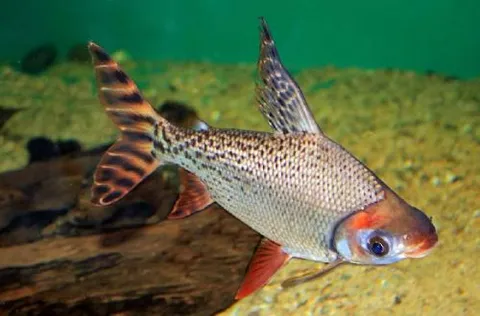
Semaprochilodus insignis
The Many-Barred Semaprochilodus, also known as the Brazilian Haraki (scientific name Semaprochilodus insignis), belongs to the family Prochilodontidae. In its natural habitat, this species is widely distributed across…
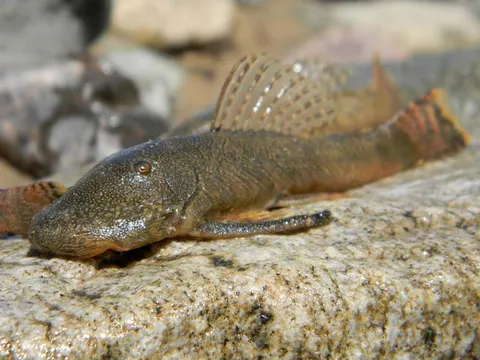
Chaetostoma fischeri
Chaetostoma fischeri, known as Fischer's Chaetostoma, is a member of the family Loricariidae, or armored catfish. Its natural habitat is in the river systems of Central America, as well as in some South American rivers…
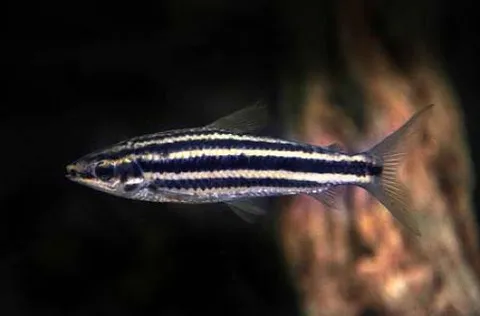
Leporinus striatus
The Four-lined Leporinus, also known as Leporinus striatus, belongs to the family Anostomidae. This fish species inhabits the waters of South America, particularly in the Paraná and Paraguay river basins, covering the…
Pseudanos trimaculatus
The Three-spot Anostomus, scientifically known as Pseudanos trimaculatus, belongs to the family Anostomidae, or Headstanders. Previously, this fish was classified as Anostomus trimaculatus, and this name is still found…