Temperature22 – 28 °C
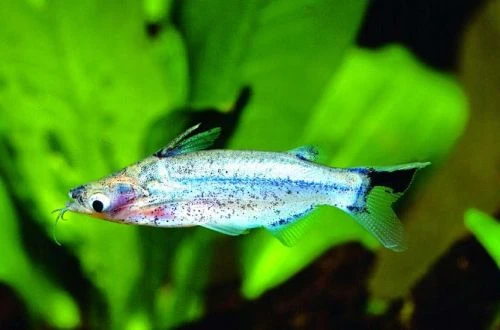
Entomocorus benjamini, also known as the Sleeping Catfish, belongs to the family Auchenipteridae, or Driftwood Catfishes. It received this unusual name due to its behavioral characteristics: being nocturnal, this catfish prefers to remain motionless during the day, hidden on the bottom.
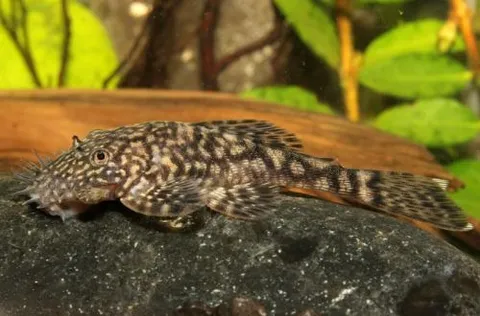
Adults reach approximately 7 cm in size. The fish's coloration is quite modest, dominated by various shades of gray. The caudal fin is forked, and the other fins are short. An important feature of this catfish is its large eyes, which, along with highly sensitive barbels, play a key role in finding food in low light conditions or complete darkness.
The species inhabits South America, primarily the upper Madeira River basin in Bolivia and Brazil. In nature, it lives in freshwater bodies of the tropical zone. Members of this family are predominantly nocturnal, spending the daylight hours in shelters or among vegetation.
This fish is distinguished by its peaceful and calm disposition; it coexists well with its own kind and with other non-aggressive species of similar size.
For keeping a single catfish, an aquarium of 50 to 60 liters will be required. The decor can be quite simple. It is important to provide both open areas for free swimming and secluded spots of appropriate size, for example, created from natural driftwood. This species is undemanding and successfully adapts to conditions with a wide range of pH and GH values. The comfortable water temperature for the Sleeping Catfish is within 22–28°C. Aquarium care includes standard procedures: weekly partial water changes with fresh water, timely removal of organic waste, and maintaining equipment in working order.
In its natural habitat, the catfish's diet mainly consists of small invertebrates, primarily insects, as well as zooplankton and various aquatic and terrestrial plants. In a home aquarium, it is recommended to prioritize protein-rich foods. These can be dry foods — flakes or pellets — as well as fresh or frozen earthworms or bloodworms.
The species has not been bred in aquaria. Driftwood catfishes practise internal fertilisation: the male's anal fin is modified into a copulatory organ, and the female can store sperm and release fertilised eggs several days after mating — sometimes with no male present. In the genus Entomocorus breeding males change markedly, with ossified barbels and an elongated dorsal spine, but transformed males of this particular species have not yet been found.
No diseases that affect only this species have been described. Under suitable conditions — clean water, a balanced diet and calm tank mates — health problems usually do not arise. The most common cause of illness is a decline in conditions: it weakens the immune system, and the fish becomes vulnerable to infections that are always present in an aquarium. At the first signs of trouble — lethargy, wasting, refusal of food or clamped fins — check the basic water parameters and the levels of ammonia, nitrite and nitrate first. Restoring acceptable conditions often lets the fish recover on its own. Catfish of this group have naked, scaleless skin and are therefore more sensitive to medication than most aquarium fish. Products based on malachite green and copper should be used with care and at about half the dose stated on the packaging.
When purchasing, choose active individuals without visible damage to the skin and fins. It is important to consider that this is a crepuscular species, so in the store, the fish may appear passive or hide in shelters. It is recommended to avoid specimens with signs of emaciation or unnatural behavior, and to clarify the keeping conditions with the seller before purchase.
The essentials: size, tank volume, water parameters and care
An adult reaches 7 cm in length. Plan the tank around the maximum size: the fish quickly outgrows a cramped setup.
The recommended volume is 50 L. A smaller tank speeds up nitrate build-up and raises stress levels.
Temperature 22–28 °C, pH 6–7.5, hardness 10–12 dGH. Stability matters more than exact values: sudden swings are harder on the fish than a small deviation from the ideal.
Around 1 years when kept properly. Lifespan depends directly on tank volume, water quality and a varied diet.
Temperament: peaceful (regular). Keep this in mind when choosing tank mates.
Recommended setup: both solitary and in group (flexible). Ignoring this is a common cause of stress and disease.
Diet type: plant-based (algae, vegetables). Feed small portions that are finished within a couple of minutes — overfeeding does more harm than underfeeding.
The scientific name of the species is Entomocorus benjamini, family Driftwood Catfishes (Auchenipteridae).
The water suits 197 of 208 plants in the catalogue — the easiest ones are shown first.
Afzelius's AnubiasAnacharisAnubiasBrazilian PennywortDwarf CloverDwarf CloverDwarf HygrophilaDwarf SagittariaDwarf ValGuppy GrassHornwortJava FernJava MossMoneywortMud SwordNair's LagenandraNarrow Leaf AnacharisNarrow-leaf CloverStringy MossSüsswassertangTaiwan MossTape GrassTemple PlantUssuri Watermilfoil
Matched by family, categories and overlapping keeping conditions
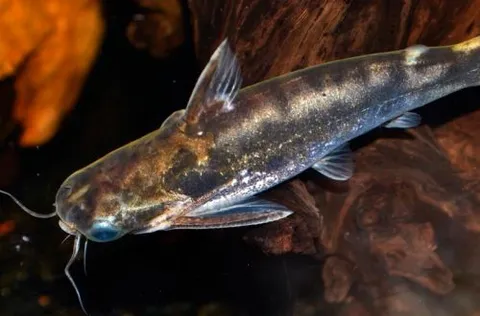
Centromochlus macracanthus
Centromochlus (Centromochlus macracanthus) is a representative of the Auchenipteridae family that is not frequently encountered in the aquarium hobby. This may be due to its modest appearance and predominantly nocturnal…
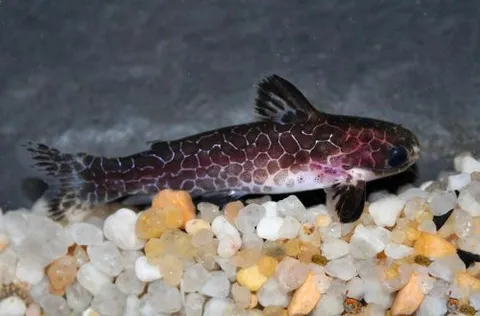
Centromochlus reticulatus
Centromochlus reticulatus, more commonly known as the Reticulated Woodcat or Purple Oil Catfish, belongs to the family Auchenipteridae (Driftwood Catfishes). This species is notable for its ease of care and breeding, as…
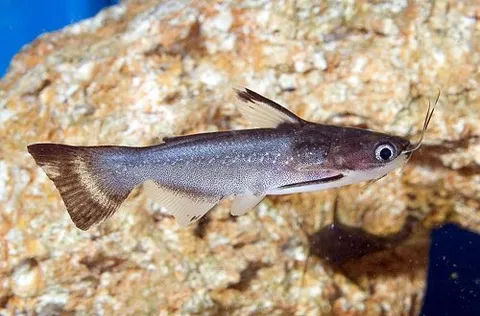
Auchenipterichthys thoracatus
The Midnight Catfish (Auchenipterichthys thoracatus) belongs to the family Auchenipteridae. This species of catfish leads a secretive, predominantly nocturnal lifestyle. Distinguished by its peaceful disposition, it is…
Ancistrus claro
Ancistrus claro, scientifically named Ancistrus claro, belongs to the family Loricariidae, also known as Armored Catfish. Its name originates from the Claro River, a small tributary of the Cuiabá River in the Brazilian…