Temperature24 – 27 °C
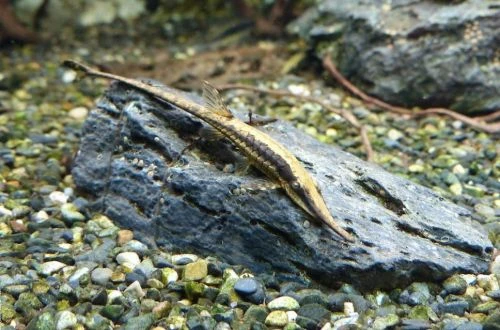
The Twig Catfish, or Stick Catfish, scientifically known as Farlowella vittata, belongs to the family Loricariidae, commonly known as Armored Catfish. It stands out due to its unusual body shape, which is quite atypical for catfish, truly resembling an ordinary twig. Keeping this species is considered challenging, as it has high demands regarding water conditions and requires a special diet. For this reason, it is not recommended for beginner aquarists.
Adults reach up to 15 cm in length. The appearance of these fish is quite peculiar: they resemble a thin dry twig. The catfish is characterized by a very elongated and slender body, especially in the tail region, and an extended "nose." Its body is covered with hard plates, which are modified scales. The coloration is light, with two dark diagonal stripes running along the sides. This body shape and pattern allow this catfish species to effectively camouflage among driftwood, avoiding the attention of predators. Males have a noticeably longer and wider "nose" compared to females.
Its natural habitat is in South America, in the Orinoco River basin, covering territories in Colombia and Venezuela. These fish prefer areas of rivers with slow currents, as well as floodplain lakes rich in driftwood, aquatic plants, submerged branches, and tree roots. They are most often found along the shoreline.
These fish are peaceful and calm, coexisting well with other non-aggressive species. It is important to avoid large and overly active tank mates, especially those that also feed on plant matter, as the Stick Catfish will not be able to compete with them. Ideal tank mates include small schooling tetras and cyprinids, such as neon tetras and danios. Intraspecific relationships are based on male dominance in a certain territory, but even in limited space, rivalry does not escalate into conflicts.
For one or two fish, the optimal aquarium volume starts from 80 liters. These fish lead a relatively inactive lifestyle, preferring to stay among decorative elements. The recommended setup should mimic an overgrown river section with a sandy substrate, abundant in driftwood. Lighting should be subdued, and floating plants will provide additional shading. The Twig Catfish is extremely sensitive to water quality and composition. Soft but effective filtration is essential, as is weekly partial water changes with fresh water. In addition, regular standard aquarium maintenance procedures must be performed. In particular, the removal of organic waste (uneaten food, excrement), which can disrupt the balance of the nitrogen cycle when decomposing, is required.
This species is herbivorous. In their natural environment, catfish feed on algae, as well as small invertebrates living among them. The latter serve as a complementary element to their main plant-based diet. In a home aquarium, dried algae in the form of flakes, granules, as well as fresh green vegetables cut into pieces (e.g., cucumber, cabbage, spinach) should be offered. Additionally, small amounts of frozen brine shrimp, daphnia, and bloodworms can be given. If natural algae growth is encouraged in the aquarium, it will be an excellent addition to their daily diet.
Under favorable conditions, the fish readily reproduce, but difficulties often arise in preserving the offspring. At the beginning of the breeding season, the male begins to court, inviting females to his territory in the aquarium. When the female is ready to spawn, they lay several dozen eggs on a vertical surface – this can be driftwood, a stem, or a plant leaf. The male takes care of the clutch, and during this time, other females may add their eggs to it. The incubation period lasts from 6 to 10 days; however, because the clutch may contain eggs from different females laid at different times, the hatching process of the fry can extend for several weeks. Newly hatched fry need microscopic algae, and if food is insufficient, they quickly perish. Algae can be grown in advance in a separate tank on driftwood under bright lighting, where they form naturally. This "algae-covered" driftwood is then placed in the main aquarium, near the clutch.
Most health problems in fish often arise from unsuitable keeping conditions. Maintaining a stable and comfortable habitat is a key factor for successful keeping. If symptoms of illness appear, the first step is to check the water quality. If deviations are found, it is important to take immediate measures to eliminate them. If the symptoms do not disappear or worsen, medicinal treatment may be required.
When choosing a Twig Catfish, pay attention to the fish's appearance and plumpness. A healthy specimen should have a smooth body without visible damage, ulcers, or white spots, as well as clear, transparent fins. Avoid specimens with sunken bellies, as this often indicates emaciation caused by prolonged starvation or parasites, which is extremely dangerous for this species. — Check activity: the fish should be calm but show interest in foraging for food on decorations or aquarium walls. — Assess the condition of the eyes: they should be clear, without signs of cloudiness. — Ask the seller what the fish eats: individuals accustomed to a variety of dry and frozen foods adapt significantly easier to a new aquarium.
The essentials: size, tank volume, water parameters and care
An adult reaches 15 cm in length. Plan the tank around the maximum size: the fish quickly outgrows a cramped setup.
The recommended volume is 80 L. A smaller tank speeds up nitrate build-up and raises stress levels.
Temperature 24–27 °C, pH 6–7, hardness 3–10 dGH. Stability matters more than exact values: sudden swings are harder on the fish than a small deviation from the ideal.
Around 10 years when kept properly. Lifespan depends directly on tank volume, water quality and a varied diet.
Temperament: peaceful (regular). Keep this in mind when choosing tank mates.
Recommended setup: both solitary and in group (flexible). Ignoring this is a common cause of stress and disease.
Diet type: sinking (plant-based). Feed small portions that are finished within a couple of minutes — overfeeding does more harm than underfeeding.
The scientific name of the species is Farlowella vittata, family Armored Catfishes (Loricariidae). It also appears in the literature as: Farlowella agustini, Farlowella angosturae, Farlowella guaricensis.
The water suits 196 of 208 plants in the catalogue — the easiest ones are shown first.
Afzelius's AnubiasAnacharisAnubiasBrazilian PennywortDwarf CloverDwarf CloverDwarf HygrophilaDwarf SagittariaDwarf ValGuppy GrassHornwortJava FernJava MossMoneywortMud SwordNair's LagenandraNarrow Leaf AnacharisNarrow-leaf CloverStringy MossSüsswassertangTaiwan MossTape GrassTemple PlantUssuri Watermilfoil
Matched by family, categories and overlapping keeping conditions
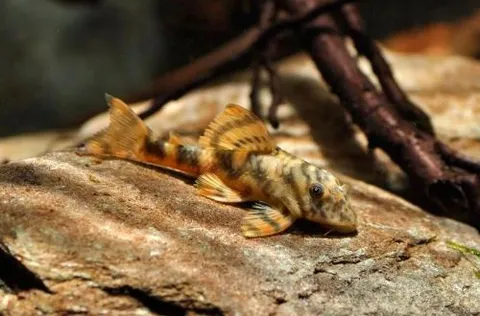
Peckoltia sp. L288
Peckoltia sp. L288, more commonly known as Peckolt's Pleco, belongs to the family Loricariidae, or armored catfish. This fish was named in honor of Gustav Peckolt, a German botanist and pharmacist who, in the late 19th…
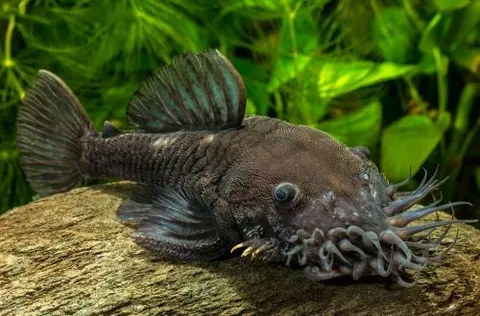
Ancistrus ranunculus
Ancistrus ranunculus, or the Jellyfish Bristlenose Pleco, belongs to the Loricariidae family — the armored catfish. Its scientific name is Ancistrus ranunculus. The unusual appearance of this catfish can evoke mixed…
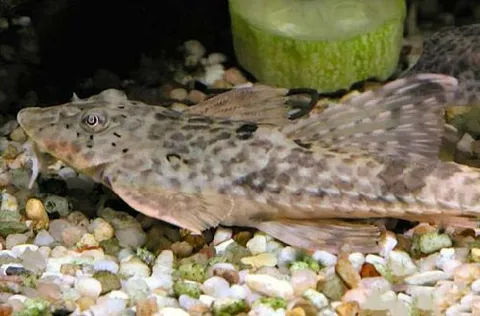
Rineloricaria fallax
The Loricaria catfish, known by its scientific name Rineloricaria fallax, belongs to the Armored Catfish family (Loricariidae). It is a peaceful and undemanding fish, capable of becoming an excellent addition to a…
Otocinclus macrospilus
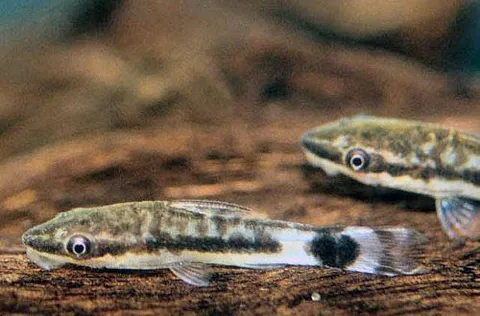
Otocinclus macrospilus, known as the Otocinclus macrospilus or Oto Catfish, belongs to the family Loricariidae, which includes armored catfish. Among its close relatives are Otocinclus affinis and the Zebra Otocinclus.…