Poeciliidae

Yellow Platy

Xiphophorus maculatus

A form of:Common Platy

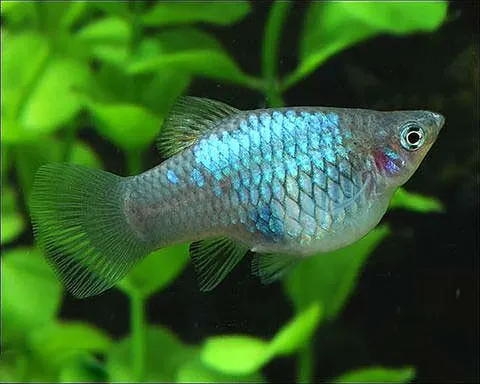
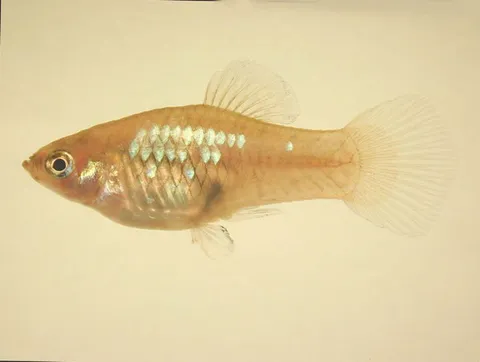
The yellow platy, also sold as Gold Platy, is a selectively bred form that does not occur in nature. It is derived from the common platy, Xiphophorus maculatus. The fish is named for its uniform yellow body colour and yellow fins.

Tank
from 60 L (16 gal)
Temperature
20 – 28 °C (68 – 82 °F)
Size in aquarium
5 – 7 cm (2 – 2.8 in)
Acidity
pH 7–8.2
Natural rangeRange on the map
  • Belize
  • Fiji
  • Guatemala
  • Honduras
  • Mexico
  • Nicaragua

Tank conditions

Plan the tank stocking
Temperature
20 – 28 °C (68 – 82 °F)
Water pH
Neutral (7) – Slightly alkaline (8.2)
Water dH
Medium hardness (10) – Very hard (30)
Water salinity
no salt (freshwater)
Size in aquarium
5 – 7 cm (2 – 2.8 in)
Lifespan
4 years
Temperament
Peaceful (regular)
Toward small fish
not a predator
Required aquarium volume
from 60 L (16 gal)
Lighting
dimmed
Substrate
any (no restrictions)
Water flow
weak or moderate
Swimming level
near the surface
Feeding
Any (universal)
Keeping
Mixed solitary / pair / group
Jumping
noticeable a lid is needed
  • Lifespan. A lifespan to expect under good care, not a measured value: it depends heavily on tank volume, water quality and diet — and for selectively bred forms, on their origin as well.
  • Toward small fish. Based on the Predators category in the catalog or the temperament in the species parameters. “A risk to small fish” means the species is not a predator by habit, yet will swallow any fish that fits in its mouth.
  • Required aquarium volume. This is a husbandry recommendation, not a measured value: the volume depends on the keeping mode (mixed (solitary / pair / group)), footprint, decor and tank mates.

Care and keeping

Description

The yellow platy is a selectively bred form of Xiphophorus maculatus. Its hallmark is a uniform yellow body and fins. The body is compact and sturdy. Sexual dimorphism is clear: males reach 5 cm and are slimmer, with a gonopodium—a modified anal fin used for fertilisation. Females are larger, growing to 7 cm, with a more rounded belly.

Habitat

In the wild, the parent species inhabits river systems in Central America, including Mexico, Guatemala, Belize and Nicaragua. It lives in shallow water in river backwaters, lakes, swamps and flooded pastures. It prefers slow-flowing areas with dense aquatic vegetation. Water parameters in nature vary widely, and the fish adapt to a broad range of pH and hardness values.

Behavior and Compatibility

These are peaceful and active fish suitable for a community tank. Males may compete with each other for the attention of females, so it is best to keep more females than males in a group. They are compatible with other calm species of similar size, such as swordtails, guppies and mollies. They are active throughout the day.

Care and Maintenance

Like guppies and swordtails, the yellow platy is hardy and easy to keep. A tank of 60–70 litres will comfortably hold 3–4 individuals. The tank should have hiding places, which can be created with dense plant growth. It is essential to maintain clean water at an appropriate temperature and with moderate to high general hardness. These fish tolerate slightly brackish water for extended periods. Routine maintenance includes a weekly partial water change, regular cleaning of decorations and prompt removal of uneaten food and waste. Platys are omnivores and will eat a wide range of popular foods: dry flakes, pellets, and frozen or live brine shrimp, bloodworm, daphnia and mosquito larvae. A balanced diet should include plant-based components. Males tend to compete for position in the hierarchy and female attention. In a small tank, keep more females than males. They are peaceful towards other species and get along well with many popular freshwater fish of similar size and temperament. Breeding is straightforward; they are highly fertile. Under good conditions, each female can produce up to 80 fry every 4–6 weeks. However, the parents provide no care. Adults may prey on the young, so it is advisable to move the fry to a separate, prepared tank.
Diet

The yellow platy is an omnivore. In the aquarium it will eat any type of food: dry flakes, pellets, frozen or live brine shrimp, bloodworm and daphnia. A balanced diet should include plant-based supplements. Feed once or twice daily with portions the fish can consume in a few minutes.

Breeding and Reproduction

Breeding is uncomplicated, as these are livebearing fish. They reach sexual maturity at 3 months. The female's pregnancy lasts 4–6 weeks, after which she may produce up to 80 fry. The parents do not care for their young and may eat them, so dense plant growth for shelter is helpful, or the female can be moved to a separate tank before birth.

Diseases

These fish are hardy. In good conditions, disease is rare. The main risks come from poor water parameters or overstocking, which lower immunity and lead to bacterial or parasitic infection. Prevention is regular water changes and a clean substrate.

How to choose

When choosing fish, look for activity and appearance. Healthy individuals swim actively, have clean fins without damage, and even scales with no spots or sores. Avoid fish with a sunken belly, sluggish behaviour or an unusual body shape, as these may indicate chronic illness or malnutrition.

Compatibility

There are no pair reviews for this species yet — check tankmates in the matcher.

All tankmates

Plants and this fish

Matching water does not mean the plant will stay intact.

Frequently asked questions

The essentials: size, tank volume, water parameters and care

How big does Yellow Platy get?

An adult reaches 5–7 cm in length. Plan the tank around the maximum size: the fish quickly outgrows a cramped setup.

What size aquarium does Yellow Platy need?

The recommended volume is 60 L. A smaller tank speeds up nitrate build-up and raises stress levels.

What water parameters does Yellow Platy need?

Temperature 20–28 °C, pH 7–8.2, hardness 10–30 dGH. Stability matters more than exact values: sudden swings are harder on the fish than a small deviation from the ideal.

How long does Yellow Platy live?

Around 4 years when kept properly. Lifespan depends directly on tank volume, water quality and a varied diet.

Is Yellow Platy aggressive?

Temperament: peaceful (regular). Keep this in mind when choosing tank mates.

How many Yellow Platy should be kept together?

Recommended setup: mixed (solitary / pair / group). Ignoring this is a common cause of stress and disease.

What does Yellow Platy eat?

Diet type: any (universal). Feed small portions that are finished within a couple of minutes — overfeeding does more harm than underfeeding.

What is the scientific name of Yellow Platy?

The scientific name of the species is Xiphophorus maculatus, family Poeciliidae. It also appears in the literature as: Platypoecilus aurata, Platypoecilus cyanellus, Platypoecilus maculatus.

Similar fishes

Matched by family, categories and overlapping keeping conditions

Balloon Platy

Balloon Platy

Xiphophorus maculatus

Poeciliidae

The Balloon Platy, also called disk platy, is known in the trade as Balloon Platy. Its distinctive feature is an unusual body shape: a strongly curved, humped back and a noticeably swollen belly, present in both males…

Black Platy

Black Platy

Xiphophorus maculatus

Poeciliidae

In the trade, this cultivar is sold as Platy Black. It does not occur in nature but is an artificially developed colour variety of the common platy (Xiphophorus maculatus). Despite its name, the black colour, though…

Blue Platy

Blue Platy

Xiphophorus maculatus

Poeciliidae

The blue platy is a selectively bred form of Xiphophorus maculatus that does not occur in nature. It is sold under trade names such as Platy Blue, Blue Moon Platy, and Platy Neon Blue. Its defining feature is the blue…

Common Platy

Common Platy

Xiphophorus maculatus

Poeciliidae

The common platy (Xiphophorus maculatus) belongs to the family Poeciliidae. Its hardiness and bright colours make it one of the most popular aquarium fish. Most platys in tanks are selectively bred varieties, some of…

Other scientific names and conservation status

Other scientific names
Platypoecilus aurata, Platypoecilus cyanellus, Platypoecilus maculatus, Platypoecilus nigra, Platypoecilus pulchra, Platypoecilus rubra
Conservation status
Data deficientDD