Temperature22 – 28 °C
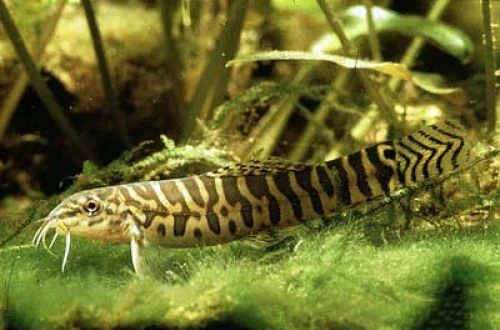
Acanthocobitis urophthalmus, also known as the Eyespot Loach, belongs to the family Nemacheilidae (Stone Loaches). This species is native to Southeast Asia, being endemic to Sri Lanka. The fish prefers to live in shallow river systems where the current is fast, sometimes turbulent.
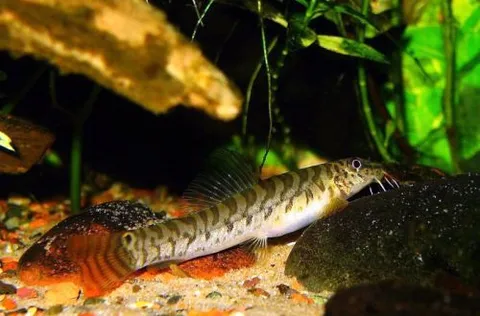
Adults reach a length of approximately 4 cm. Their body is elongated and slender, with rather short fins. The pelvic and pectoral fins are primarily used by the fish to move along the bottom or to "stand" on it, rather than for active swimming. The fish's mouth is surrounded by sensitive barbels, and its coloration is a combination of dark and light yellowish stripes, creating an effect reminiscent of a tiger pattern.
The species is endemic to the southwestern part of Sri Lanka, where it primarily inhabits lowland rivers such as the Kelani and Nilwala. These fish prefer areas with shallow water, fast currents, and a bottom covered with pebbles, sand, or a mixture of stones and plant detritus. In their natural habitat, the water is highly oxygenated.
Within their own species, relationships are based on territorial competition. Although Acanthocobitis urophthalmus needs the presence of conspecifics, they prefer to keep to themselves, each occupying their own small area on the bottom. If there is insufficient free space, skirmishes may occur. Towards other species, the fish are peaceful. They get along well with most fish of comparable size. Excellent tankmates would be species that inhabit the water column or near the surface.
For a group of 3–4 Acanthocobitis urophthalmus, the optimal aquarium volume starts from 50 liters. When setting up the tank, primary attention should be paid to the bottom layer. These fish like to dig in the substrate, so sand, fine pebbles, and aquarium soil are desirable as substrate. It is important to provide hiding places for each fish on the bottom, such as individual snags, coconut shells, thickets of rooted plants, or other natural and artificial elements. The presence of an internal current is recommended; usually, a separate pump is not required for this, as an internal or external filtration system successfully provides not only water purification but also sufficient circulation. Acanthocobitis urophthalmus prefers soft, slightly acidic water. For long-term well-being, it is important to maintain hydrochemical parameters within acceptable limits and avoid sharp fluctuations, such as pH and dGH.
In their natural habitat, the fish's diet consists of small invertebrates and detritus. In home aquariums, they readily accept most popular sinking foods of appropriate size, including flakes and granules.
Reliable information about successful breeding in aquarium conditions is absent. In nature, the fish spawn in flowing waters, but the specific conditions for stimulating spawning in captivity have not yet been studied. Breeding attempts require creating conditions that maximally imitate natural mountain streams with intense aeration and high-quality filtration.
The species is sensitive to poor water quality and the accumulation of organic waste, which often leads to weakened immunity and the development of secondary bacterial or fungal infections. Characteristic signs of illness include refusal to eat, apathy, body film, rapid breathing, or fin damage. Prevention involves maintaining stable environmental parameters, regular water changes, and powerful filtration.
When selecting specimens, attention should be paid to the following signs: — fish activity and absence of signs of apathy — intact fins and absence of visible ulcers or spots on the body — normal breathing without signs of rapid gill cover movement — good body condition, excluding severely sunken flanks It should be noted that fish of this species often arrive for sale after transport, so it is important to ensure the absence of stress behavior and the cleanliness of the water in the seller's aquarium.
The essentials: size, tank volume, water parameters and care
An adult reaches 4 cm in length. Plan the tank around the maximum size: the fish quickly outgrows a cramped setup.
The recommended volume is 50 L. A smaller tank speeds up nitrate build-up and raises stress levels.
Temperature 22–28 °C, pH 6–7, hardness 2–10 dGH. Stability matters more than exact values: sudden swings are harder on the fish than a small deviation from the ideal.
Around 3 years when kept properly. Lifespan depends directly on tank volume, water quality and a varied diet.
Temperament: semi-peaceful (including aggression during spawning / intraspecific conflicts). Keep this in mind when choosing tank mates.
Recommended setup: small group (3–4 individuals). Ignoring this is a common cause of stress and disease.
Diet type: sinking (any). Feed small portions that are finished within a couple of minutes — overfeeding does more harm than underfeeding.
The scientific name of the species is Acanthocobitis urophthalmus, family Nemacheilidae. It also appears in the literature as: Nemacheilus urophthalmus, Nemachilus urophthalmus, Noemacheilus urophthalmus.
The water suits 197 of 208 plants in the catalogue — the easiest ones are shown first.
Afzelius's AnubiasAnacharisAnubiasBrazilian PennywortDwarf CloverDwarf CloverDwarf HygrophilaDwarf SagittariaDwarf ValGuppy GrassHornwortJava FernJava MossMoneywortMud SwordNair's LagenandraNarrow Leaf AnacharisNarrow-leaf CloverStringy MossSüsswassertangTaiwan MossTape GrassTemple PlantUssuri Watermilfoil
Matched by family, categories and overlapping keeping conditions
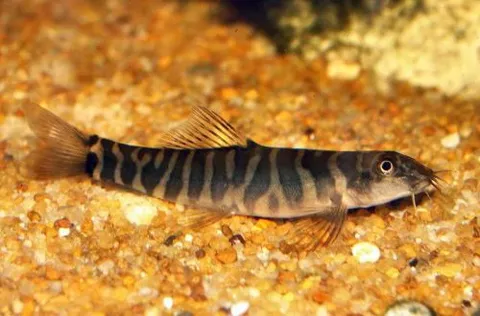
Mustura maepaiensis
The fish, known scientifically as Mustura maepaiensis, belongs to the family Nemacheilidae and is called Schistura Mae Hong Son. This name comes from the mountainous province of Mae Hong Son in north-western Thailand,…
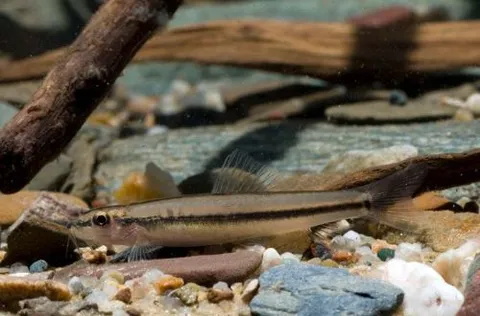
Nemacheilus binotatus
A member of the Nemacheilidae family (stone loaches), the striped loach, known scientifically as Nemacheilus binotatus, originates from Southeast Asia. These fish are found in the waters of Thailand, particularly in the…
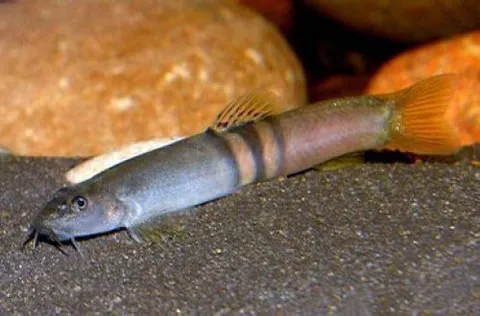
Schistura balteata
The fish scientifically known as Schistura balteata, belonging to the family Nemacheilidae, is commonly referred to as the Schistura balteata. This species is relatively easy to keep and coexists well with many common…
Acanthocobitis botia
Acanthocobitis botia, also known as the Spotted Loach, belongs to the family Nemacheilidae. These peaceful fish coexist easily with many tropical species. They are undemanding in care and do not entail significant…