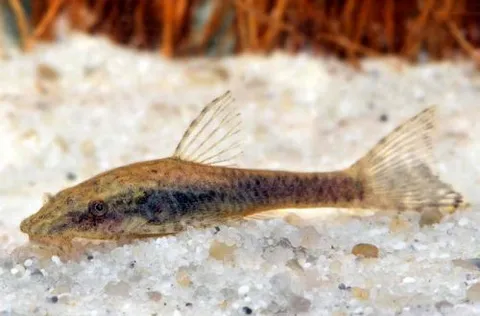
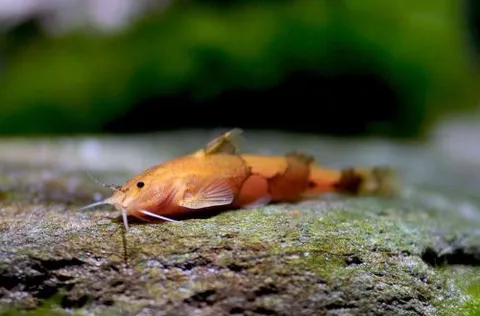
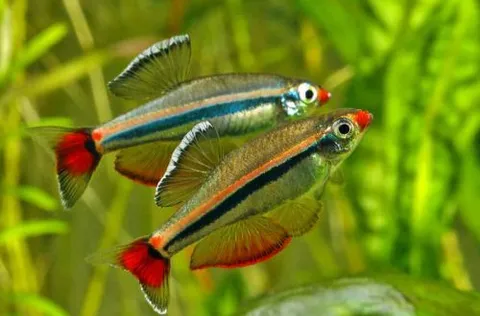
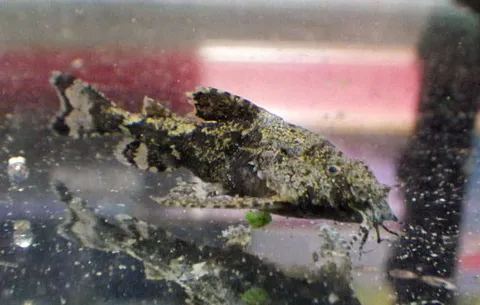
For a small group of these catfish, the optimal tank volume starts from 20 liters, while a single specimen can also be kept in a nano-aquarium. When setting up the aquarium, provide plenty of hiding places, which can be created using driftwood or various decorative elements (such as ceramic pots, sunken ships, castles, etc.). The choice of plants depends on the aquarist's preferences or the needs of other aquarium inhabitants. The substrate should be soft, sandy. Adding oak or Indian almond leaves to the bottom will not only give the aquarium a more natural look but also tint the water a light brown hue, characteristic of this species' natural habitat. The leaves are first dried, then soaked until they sink; they are replaced once every one to two weeks. Special attention should be paid to water quality: it must be clean, free of visible suspended particles, relatively cool (a heating system for the aquarium is usually not required), and well-oxygenated. Equipment is set up according to these requirements. Aquarium care includes regular cleaning of the substrate from organic waste and weekly partial water changes (15–20% of the total volume) with fresh water.