Temperature22 – 26 °C
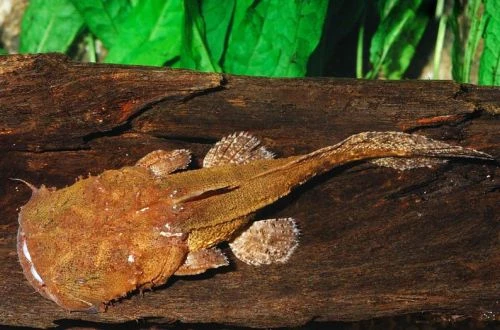
The scientific name of this species, Chaca bankanensis, comes from the family Chacidae. Popular among enthusiasts of unusual aquarium inhabitants, the Angler Catfish, or Chaca bankanensis, with its original appearance, can evoke mixed feelings, but invariably attracts attention.
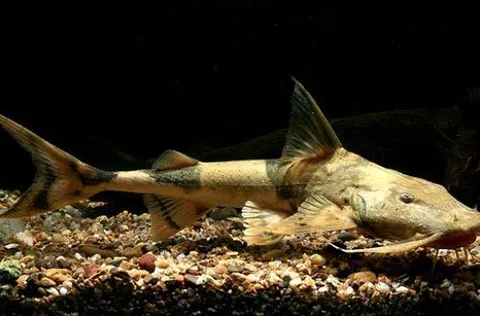
Adults reach approximately 20 cm in length. Their brown coloration combined with a unique body and fin shape serves as ideal camouflage on the bottom. The central element of their appearance is a massive, flat head, along the edges of which are small barbels. Sexual dimorphism is weakly expressed; males differ from females only in being slightly larger.
Its natural habitat is Southeast Asia, specifically the numerous islands of Indonesia, Malaysia, and Brunei. It prefers shallow, shaded waters under dense forest canopies, where it finds shelter among fallen leaves and snags.
The angler catfish is a sedentary ambush predator, primarily nocturnal. During the day, the fish is almost motionless, often burying itself in soft substrate or camouflaging itself among fallen leaves, waiting for prey. The species exhibits pronounced aggression towards any inhabitants that can fit into its enormous mouth. Solitary keeping is recommended, as attempts to introduce other fish often result in them being eaten. Intraspecific compatibility is usually satisfactory given sufficient space.
The angler catfish leads a sedentary lifestyle. For a single specimen, an aquarium of at least 80 liters is necessary; a smaller volume can negatively affect its health. Equipment should be chosen to ensure low light levels and prevent strong currents. Recommended aquarium decor includes soft sandy substrate (as the catfish sometimes buries itself in it), large snags adorned with mosses and ferns, and a layer of fallen leaves, such as Indian almond or European oak. These elements create the most comfortable conditions for the catfish. Leaves, pre-dried and soaked until fully submerged, should be changed every one to two weeks. They not only serve as shelter but also enrich the water with tannins, giving it a characteristic light brown tint, which corresponds to the fish's natural habitat. Aquarium maintenance involves regular cleaning of organic matter from the substrate and weekly water changes of 15–20% of the volume. This species is peaceful and can be kept alone or with conspecifics. However, due to its predatory diet, it is not suitable for a community tank with small and medium-sized fish. Only similarly sized species can be considered as tank mates. Sometimes, it can be kept in a tall aquarium where the catfish occupies the bottom level and a school of other fish occupies the top, minimizing their contact. At the time of preparing this material, there is no reliable data on successful breeding of this species in home aquariums. It enters the market mainly from commercial nurseries or, less frequently, is caught from the wild. Most fish diseases are often caused by unsuitable keeping conditions or poor-quality food. At the first signs of illness, it is important to check water parameters and the concentration of harmful substances (ammonia, nitrites, nitrates); after correcting the parameters, treatment can begin.
As a predator, this species practices ambush hunting. Its diet includes live fish, shrimp, as well as large insects and worms. The catfish patiently waits for prey, hidden on the bottom, and attracts it with its barbels, which mimic the movements of a worm. As soon as a potential victim approaches within sufficient distance, the catfish launches an instant attack.
Breeding in captivity is a complex and rare task. These fish are cave spawners: to stimulate the process, suitable shelters in the form of tubes or caves must be provided where the pair can lay their eggs. The male cares for the offspring, guarding the clutch and fry. For successful reproduction, it is important to maintain stable water parameters and provide high-quality food that mimics the predator's natural diet.
The species is relatively hardy but extremely sensitive to water quality and the accumulation of organic waste. Due to their specific metabolism and sedentary lifestyle, these fish are prone to obesity if overfed. The main health risks are associated with poor keeping conditions, which provoke stress and weaken the immune system. Care should be taken to avoid injuring the fish during transfer, as its skin is very delicate and susceptible to damage, and the dorsal fin is equipped with a sharp spine capable of inflicting painful stings.
When purchasing, pay attention to the fish's activity at night and the absence of visible skin damage, as any wounds quickly become infected. A healthy specimen should appear well-fed, but without signs of excessive abdominal distension. Given that catfish often refuse food during the adaptation period, it is worth asking the seller if the specimen accepts frozen or dry foods, or if it feeds exclusively on live fish. Avoid specimens with signs of emaciation or lethargy, which are uncharacteristic for this species.
The essentials: size, tank volume, water parameters and care
An adult reaches 20 cm in length. Plan the tank around the maximum size: the fish quickly outgrows a cramped setup.
The recommended volume is 80 L. A smaller tank speeds up nitrate build-up and raises stress levels.
Temperature 22–26 °C, pH 6–8, hardness 1–10 dGH. Stability matters more than exact values: sudden swings are harder on the fish than a small deviation from the ideal.
Around 10 years when kept properly. Lifespan depends directly on tank volume, water quality and a varied diet.
Temperament: aggressive / incompatible / unfriendly. This is a predatory species — any fish small enough to fit in its mouth will eventually be eaten.
Recommended setup: both solitary and in group (flexible). Ignoring this is a common cause of stress and disease.
Diet type: meat / protein (live, frozen, fresh). Feed small portions that are finished within a couple of minutes — overfeeding does more harm than underfeeding.
The scientific name of the species is Chaca bankanensis, family Chacidae. It also appears in the literature as: Chaca bankae.
The water suits 197 of 208 plants in the catalogue — the easiest ones are shown first.
Afzelius's AnubiasAnacharisAnubiasBrazilian PennywortDwarf CloverDwarf CloverDwarf HygrophilaDwarf SagittariaDwarf ValGuppy GrassHornwortJava FernJava MossMoneywortMud SwordNair's LagenandraNarrow Leaf AnacharisNarrow-leaf CloverStringy MossSüsswassertangTaiwan MossTape GrassTemple PlantUssuri Watermilfoil
Matched by family, categories and overlapping keeping conditions
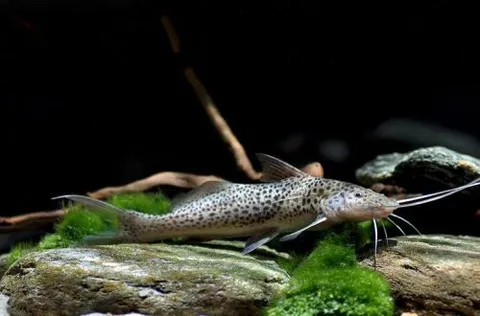
Aguarunichthys torosus
The Muscular Catfish, also known by its scientific name Aguarunichthys torosus, belongs to the family Pimelodidae, or Long-whiskered Catfishes. Its second name is given in honor of the indigenous tribe living in the…
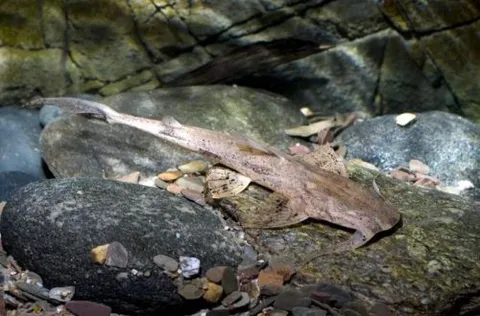
Bagarius suchus
Bagarius suchus, known as the Crocodile Catfish, belongs to the family Sisoridae, or Bagridae (mountain catfishes). This large predator is characterized by a complex temperament. Its keeping, if undertaken…
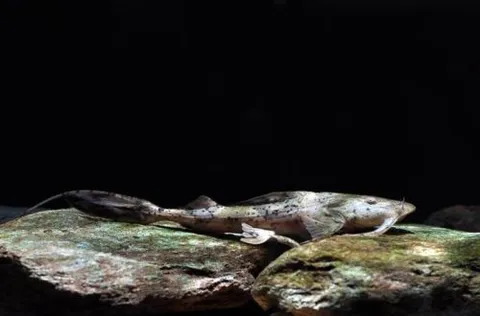
Bagarius yarrelli
The Bagarius Catfish, also known as the “Freshwater Sand Shark” or by its scientific name Bagarius yarrelli, belongs to the family Sisoridae (Bagridae, or mountain catfishes). This species is rarely encountered among…
Bagarius bagarius
The Goonch, scientifically known as Bagarius bagarius, belongs to the family Sisoridae, or Asian hillstream catfishes. This species, distinguished by its impressive size and high maintenance costs, does not coexist well…