Temperature23 – 29 °C
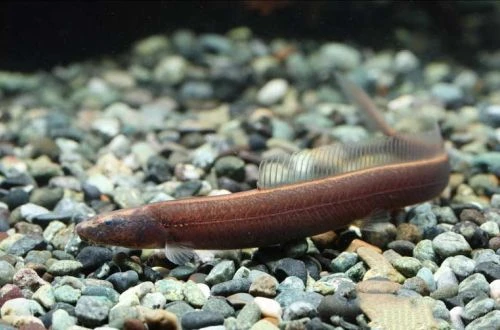
The Dragon Loach, also known as the Chocolate Loach, belongs to the family Vaillantellidae and is classified under the scientific name Vaillantella maassi. It is not uncommon to find a direct transliteration of the Latin name in Russian — Vaillantella maassi.
Adults of this species reach a length of 10 to 12 cm. The fish has an elongated and slender body, resembling an eel in shape. A distinctive characteristic is the unusually long dorsal fin, which extends almost the entire length of the back. The other fins are not large. Their coloration is predominantly dark, with shades of chocolate-brown.
This fish species originates from regions of Southeast Asia. Its wild populations inhabit waters in Malaysia and Indonesia, particularly on the islands of Kalimantan and Sumatra. It prefers to live in small, shallow streams that flow through tropical forests. Such habitats are usually protected from direct sunlight by dense riparian vegetation and overhanging tree canopies.
Representatives of this species lead a rather solitary lifestyle. During daylight hours, the Dragon Loach prefers to hide in various shelters. It actively guards its territory and chosen hiding spot from encroachments by conspecifics and other aquarium inhabitants. For this reason, it is undesirable to keep several Chocolate Loaches or other bottom-dwelling fish in a small aquarium. This species coexists well with many non-aggressive fish of comparable size that inhabit the water column or surface.
The aquarium volume for keeping one or more loaches should start from 80–100 L. The decor must include shelters for each Chocolate Loach, such as caves or grottoes formed from driftwood and rock piles. A soft sandy substrate, covered with a layer of leaves, will be an ideal solution. Leaves will not only create a natural look but also enrich the water with tannins, which is characteristic of this species' natural habitat. Lighting should be subdued. Therefore, when choosing plants, preference should be given to shade-loving species such as Anubias, Cryptocorynes, as well as aquatic mosses and ferns. For long-term keeping, gentle filtration must be provided. The fish are sensitive to strong currents. It is important to ensure that the loach cannot accidentally enter the filter system's outlets in search of shelter. In their natural environment, their diet consists of small invertebrates they find in the substrate layer. In aquarium conditions, they can be accustomed to dry foods in the form of flakes and granules, but these should only serve as a supplement to the main diet, which consists of live or frozen foods such as Artemia, bloodworms, Daphnia, as well as pieces of shrimp meat and the like.
In nature, the diet of these fish consists of small invertebrates they forage from the substrate. In home aquariums, they can be successfully accustomed to dry foods in the form of flakes and granules. However, such foods should only be a supplement to the main diet, which should consist of live or frozen products. These may include Artemia, bloodworms, Daphnia, as well as pieces of shrimp meat and other similar foods.
The species has not been bred in aquaria, and almost nothing is known about its reproduction in the wild either. Adult females are probably noticeably thicker-bodied and larger than males; no other external differences have been reported. The fish is hard to collect in its habitats, so it appears in the trade irregularly and only as wild-caught stock.
No specific diseases have been described for this species. The main health risk factor is a violation of keeping conditions, particularly the use of an unsuitable substrate. Keeping them on coarse or sharp substrate leads to skin damage, which increases the likelihood of bacterial infections. For prevention, it is recommended to use fine, soft sand and maintain water cleanliness, avoiding the accumulation of organic waste.
When purchasing a Dragon Loach, special care should be taken, as this species is rare and often sold in a weakened state after transport. It is important to carefully inspect the fish for signs of emaciation, skin or fin damage, which may indicate stress or the development of bacterial infections. A healthy specimen should be active (in the evening), have clear eyes, and no visible ulcers or spots on the body. Given the species' reclusive lifestyle, fish in stores often hide in decorations, so before purchasing, it is recommended to ask the seller to carefully catch them for visual inspection. Avoid buying individuals that appear apathetic, constantly lie on their side, or show signs of rapid breathing. Since the Dragon Loach is sensitive to water quality, it is crucial to inquire about its keeping conditions in the store and ensure that the fish has undergone an adaptation period after import.
The essentials: size, tank volume, water parameters and care
An adult reaches 12 cm in length. Plan the tank around the maximum size: the fish quickly outgrows a cramped setup.
The recommended volume is 108 L. A smaller tank speeds up nitrate build-up and raises stress levels.
Temperature 23–29 °C, pH 3.5–7.5, hardness 0–12 dGH. Stability matters more than exact values: sudden swings are harder on the fish than a small deviation from the ideal.
Around 5 years when kept properly. Lifespan depends directly on tank volume, water quality and a varied diet.
Temperament: territorial (often aggressive). Keep this in mind when choosing tank mates.
Recommended setup: solitary. Ignoring this is a common cause of stress and disease.
Diet type: mixed diet (meat + plant-based). Feed small portions that are finished within a couple of minutes — overfeeding does more harm than underfeeding.
The scientific name of the species is Vaillantella maassi, family Vaillantellidae.
The water suits 198 of 208 plants in the catalogue — the easiest ones are shown first.
Afzelius's AnubiasAnacharisAnubiasBrazilian PennywortDwarf CloverDwarf CloverDwarf HygrophilaDwarf SagittariaDwarf ValGuppy GrassHornwortJava FernJava MossMoneywortMud SwordNair's LagenandraNarrow Leaf AnacharisNarrow-leaf CloverStringy MossSüsswassertangTaiwan MossTape GrassTemple PlantUssuri Watermilfoil
Matched by family, categories and overlapping keeping conditions
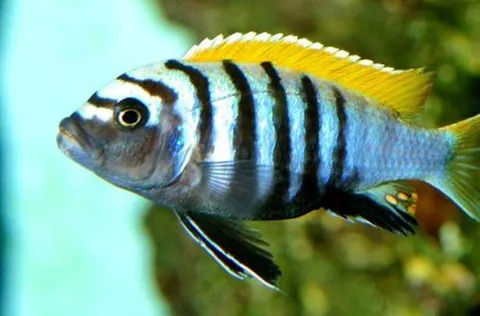
Cynotilapia afra
Cynotilapia afra, known among aquarists as the Dog Cichlid or Afra Cichlid, belongs to the family Cichlidae. Thanks to its original and diverse coloration, as well as its unpretentiousness in keeping, it has gained…
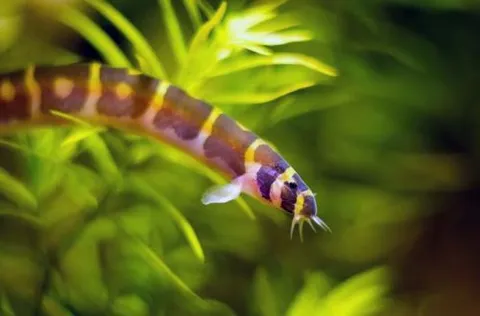
Pangio kuhlii
The Kuhli Loach, also known as the Coolie Loach, bears the scientific name Pangio kuhlii and belongs to the family Cobitidae (loaches). This fish originates from Southeast Asia, particularly common on the islands of…
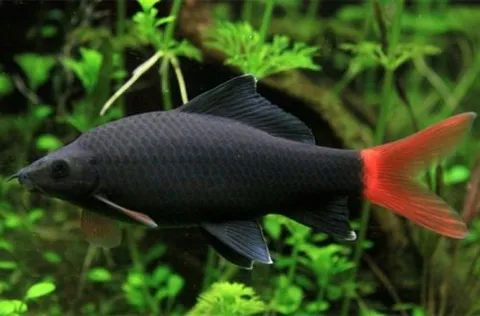
Epalzeorhynchos bicolor
Labeo Bicolor, also known as the Red-tailed Black Shark, is classified as Epalzeorhynchos bicolor and belongs to the family Cyprinidae. This attractive fish, known for its unpretentiousness and unique appearance, draws…
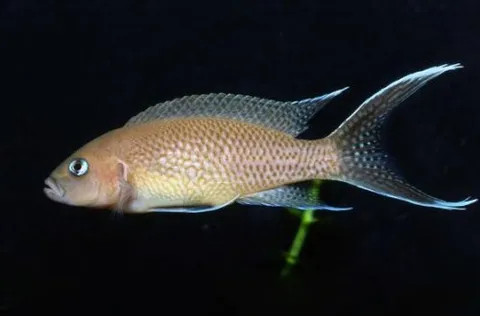
Neolamprologus brichardi
The Princess Cichlid, scientifically known as Neolamprologus brichardi, belongs to the Cichlidae family. This species is endemic to Lake Tanganyika, located in East Africa. Its natural habitat consists of rocky…