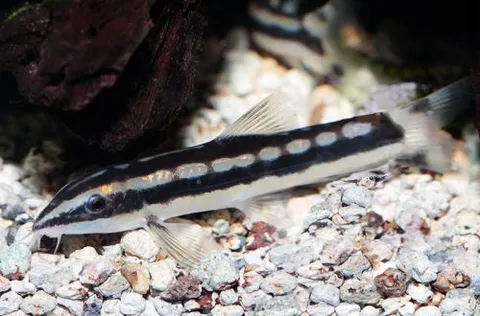
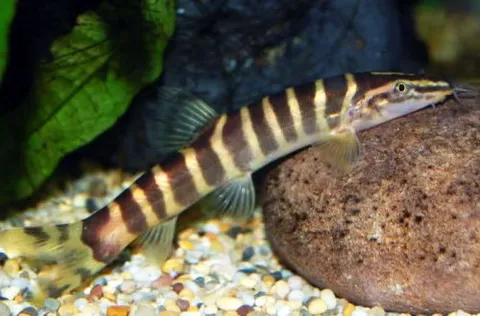
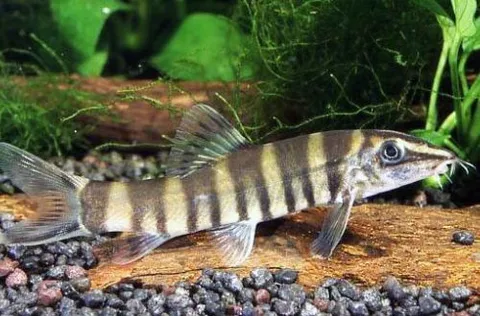
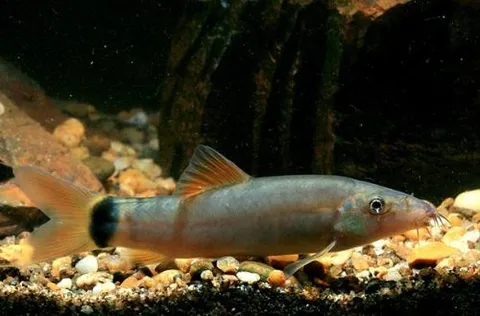
When choosing a dwarf loach, attention should be paid to the overall health of the individuals in the aquarium. A healthy fish should be active, curious, and have a good appetite. Avoid specimens with sunken bellies, as this may indicate emaciation or internal diseases. Inspect the body for white spots, ulcers, scale damage, or signs of fungal infections, which often appear as white, cotton-like growths. It is critically important to assess the condition of the fins: they should be intact, without signs of splitting, redness, or rot. In a healthy fish, the eyes are clear, without cloudiness. Since these fish are schooling, it is best to acquire a group of 6–10 individuals at once, as solitary keeping leads to stress and increased aggression. Keep in mind that loaches have sharp suborbital spines, so when catching and transporting them, it is important to use soft nets to avoid injuring the fish and damaging the bags.