Temperature22 – 26 °C
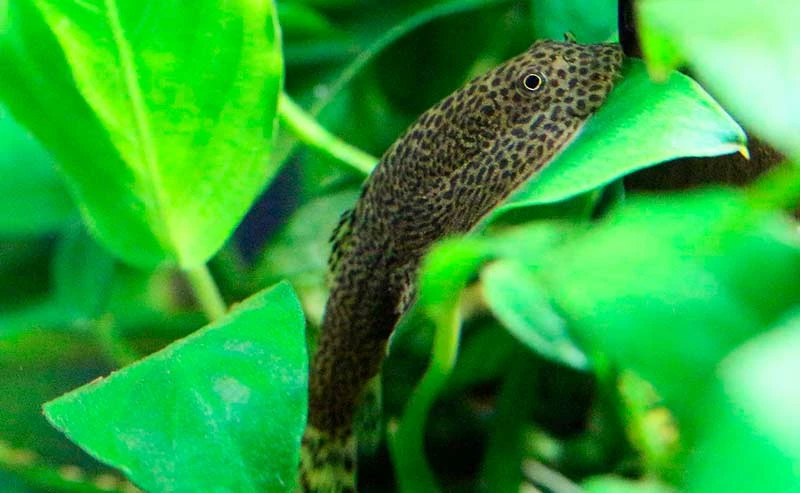
Gastromyzon fasciatus, known in the scientific community as Gastromyzon fasciatus, is a representative of the Balitoridae family, which includes river loaches. This species is native to Southeast Asia and is found exclusively on the island of Kalimantan (Borneo), inhabiting the upper reaches of rivers characterized by fast-flowing mountain streams.
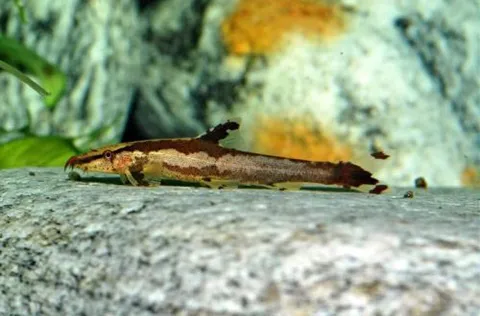
Adults reach approximately 7 cm in length. Their bodies are noticeably flattened, and their pectoral and pelvic fins have a characteristic fan-like shape. This structure is an adaptation to living in turbulent waters, allowing Gastromyzon fasciatus to firmly cling to rocks and boulders. Thanks to its aerodynamic body shape, the fish successfully resists strong currents. The coloration varies from dark to light gray, complemented by light stripes that encircle the body. Interestingly, in young individuals, the pattern is initially more mottled, and the stripes are faint or absent altogether.
The species is endemic to the island of Borneo, where it inhabits shallow rivers and streams with fast currents. The fish prefer areas with rocky or gravel bottoms, where they attach themselves to the surface of boulders and stones using specialized fins that form a suction cup. The water in such biotopes is characterized by a high degree of aeration, transparency, and oxygen saturation.
When young, these fish exhibit a peaceful disposition. However, as they mature, they may display territorial behavior. This is most often associated with competition for food resources. When selecting tank mates for Gastromyzon, it is important to consider the characteristics of their natural environment and choose only those species that are equally well-adapted to life in fast currents. These may include other Gastromyzon species or certain loaches.
For a group of 3–4 fish, an aquarium of at least 100 liters will be optimal, with the total bottom area being more important than the water column height. The aquascape should mimic a mountain riverbed. For this, gravel substrate, large stones and boulders, and driftwood can be used. Aquatic plants are usually absent in such a biotope, but if desired, aquatic mosses and ferns can be placed, attaching them to stones and driftwood. Water quality is of key importance for keeping these fish, as they live in flowing waters and are sensitive to the accumulation of organic waste. They also require oxygen-rich water. The installation of a high-performance filtration system and, possibly, additional aeration is recommended. Maintaining water quality depends not only on the filter's operation but also on regular aquarium care, including weekly partial water changes and substrate cleaning. In natural conditions, Gastromyzon feed on algal film covering stones and driftwood, as well as the microorganisms inhabiting it. In a home aquarium, their diet should consist primarily of plant-based foods. These can be various forms: tablets, flakes, gels, jelly blocks, and other foods heavy enough not to be carried away by the current. The diet can be enriched with pieces of vegetables and fruits, such as cucumber, zucchini, blanched peas, or spinach.
The diet of Gastromyzon in their natural environment consists of algal growth on stones and driftwood, as well as microorganisms living within this film. In a home aquarium, their diet should be based on plant-based foods. These include various types such as tablets, flakes, jelly blocks, or gels – it is important that the foods are heavy enough not to be carried away by the current. The menu can be diversified by offering the fish small pieces of vegetables and fruits, for example, cucumber, zucchini, blanched peas, or spinach.
Breeding in aquarium conditions is difficult and rare. Spawning occurs on a rocky substrate, where the fish lay their eggs in areas with moderate current. Changes in temperature and a high-protein diet can stimulate reproduction. Fry lead a secretive lifestyle, requiring abundant microflora and small shelters among the substrate in the aquarium to survive their first weeks of life.
The fish are sensitive to water quality and oxygen levels. If keeping conditions are violated, especially in aquariums with insufficient aeration or poor filtration, they are susceptible to bacterial infections and intestinal parasites. Symptoms of distress often include weight loss, emaciation, discoloration, or refusal to eat. Prevention involves maintaining stable environmental parameters and ensuring strong water flow.
When selecting individuals, attention should be paid to their activity and the condition of their skin. Healthy fish should cling tightly to the glass or decorations, and their bodies should not have visible damage, wounds, or whitish spots. It is recommended to avoid purchasing emaciated specimens with sunken bellies. Since the species is prone to territorial behavior, it is advisable to acquire a group of 4 or more individuals to reduce stress levels.
The essentials: size, tank volume, water parameters and care
An adult reaches 7 cm in length. Plan the tank around the maximum size: the fish quickly outgrows a cramped setup.
The recommended volume is 100 L. A smaller tank speeds up nitrate build-up and raises stress levels.
Temperature 22–26 °C, pH 6.5–7.5, hardness 4–12 dGH. Stability matters more than exact values: sudden swings are harder on the fish than a small deviation from the ideal.
Around 5 years when kept properly. Lifespan depends directly on tank volume, water quality and a varied diet.
Temperament: semi-peaceful (including aggression during spawning / intraspecific conflicts). Keep this in mind when choosing tank mates.
Recommended setup: both solitary and in group (flexible). Ignoring this is a common cause of stress and disease.
Diet type: sinking (plant-based). Feed small portions that are finished within a couple of minutes — overfeeding does more harm than underfeeding.
The scientific name of the species is Gastromyzon fasciatus, family River Loaches (Balitoridae).
The water suits 197 of 208 plants in the catalogue — the easiest ones are shown first.
Afzelius's AnubiasAnacharisAnubiasBrazilian PennywortDwarf CloverDwarf CloverDwarf HygrophilaDwarf SagittariaDwarf ValGuppy GrassHornwortJava FernJava MossMoneywortMud SwordNair's LagenandraNarrow Leaf AnacharisNarrow-leaf CloverStringy MossSüsswassertangTaiwan MossTape GrassTemple PlantUssuri Watermilfoil
Matched by family, categories and overlapping keeping conditions
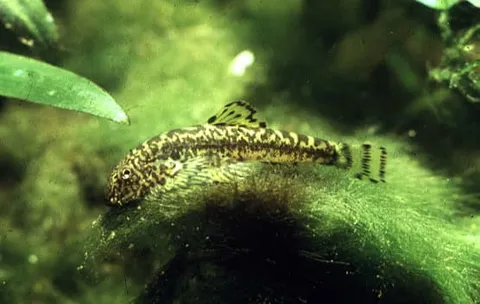
Pseudogastromyzon cheni
Pseudogastromyzon cheni, also known as the Chinese Pseudogastromyzon (scientific name Pseudogastromyzon cheni), is a representative of the family Balitoridae, or river loaches. These fish originate from river systems…
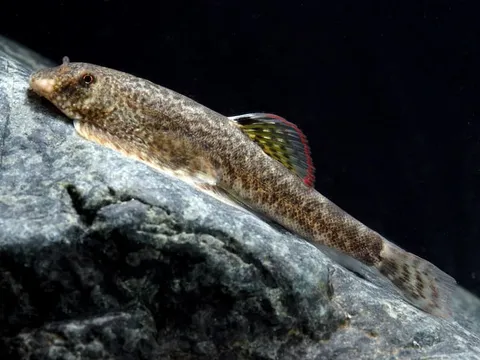
Pseudogastromyzon myersi
Myers's Hillstream Loach (Pseudogastromyzon myersi) belongs to the family Balitoridae, also known as river loaches. This fish is considered one of the most undemanding species for keeping in an aquarium environment that…
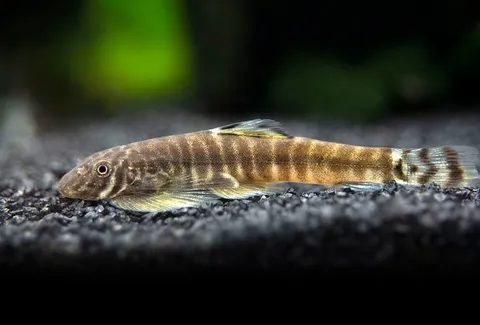
Pseudogastromyzon fasciatus
Pseudogastromyzon fasciatus, commonly known as the Banded Hillstream Loach, belongs to the family Balitoridae, which includes the hillstream loaches. This fish is native to southeastern China, where its natural habitat…
Homaloptera bilineata
Homaloptera bilineata, also known as the Two-lined Homaloptera, belongs to the family Balitoridae, or river loaches. Although this species is undemanding to keep and peaceful, its breeding in aquarium conditions…