Temperature21 – 26 °C
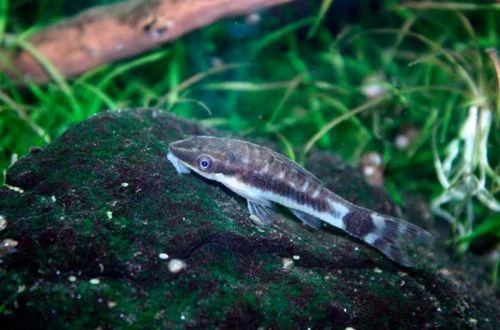
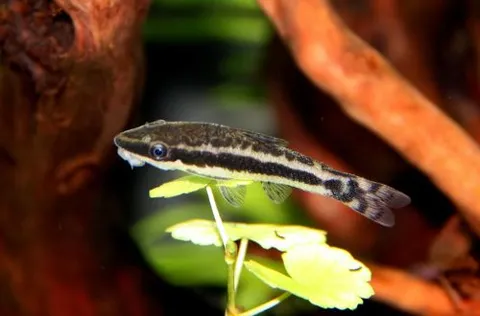
Hoppe's Otocinclus, Otocinclus hoppei — its scientific name — is a member of the armored catfish family (Loricariidae). This fish is native to South America, where it inhabits the Madeira and Ucayali river basins, part of the vast Amazon system. Their typical habitats are shallow areas rich in aquatic vegetation and shelters formed by submerged snags.
These fish are among the smallest of their kind, barely reaching 3 cm in length. Outwardly, they closely resemble Otocinclus macrospilus, which is slightly larger (up to 4 cm) and features a double black spot at the base of its tail, whereas Hoppe's Otocinclus has a solid spot. For the average aquarist, these differences may seem minor, often leading to both species being sold under the same name. However, such confusion will not negatively impact their care, as their natural habitat conditions are almost identical.
Hoppe's Otocinclus inhabits the Amazon River basin in South America. It is a demersal fish that prefers sections of rivers with clear, clean water and moderate currents. In their natural habitat, the fish typically stay near the sandy bottom and are diurnal, gathering in small groups.
This is a peaceful, schooling species that requires keeping in a group of at least 8–10 individuals. For such tiny creatures, even outwardly harmless but large and active tankmates can pose a threat. Therefore, calm fish of comparable size should be chosen as tankmates.
For a school of 8–10 individuals, the optimal aquarium volume starts from 40 liters. The aquascape should include shelters made of dense plant thickets and snags. Other decor elements do not play such an important role and are chosen based on the aquarist's aesthetic preferences and the needs of other inhabitants. Hoppe's Otocinclus is sensitive to water quality. The accumulation of organic waste should be avoided, as this can affect pH and dGH levels, as well as lead to an undesirable increase in the concentration of nitrogen cycle products. Regular aquarium maintenance is a guarantee of maintaining a balanced internal ecosystem. Key maintenance procedures include weekly partial water changes with fresh water, removal of organic detritus, and timely equipment checks.
Their diet primarily consists of algae, making otocinclus valuable helpers in controlling algae in the aquarium. They can be fed specialized plant-based foods in the form of tablets, granules, or wafers enriched with algae such as spirulina. Additionally, pieces of green vegetables placed at the bottom (e.g., cucumber, zucchini, spinach, or blanched peas) can be offered. Regular dry foods, as well as frozen or live brine shrimp and daphnia, will also be beneficial, enriching the diet with essential vitamins and minerals. It is worth noting that in a densely planted aquarium with natural snags, there will always be some amount of algae serving as an additional food source for them.
Breeding rarely succeeds and is considered a demanding task. Otocinclus build no nest: the female glues her eggs one to three at a time onto plant leaves, driftwood and the glass, and the whole clutch comes to 30–50 eggs. The parents do not guard the clutch and may eat it, so they are removed after spawning. The eggs are translucent and about 1.5 mm across; at 25 °C they hatch in 48–72 hours, and the fry are raised on biofilm and the finest vegetable foods.
No diseases that affect only this species have been described. Under suitable conditions — clean water, a balanced diet and calm tank mates — health problems usually do not arise. The most common cause of illness is a decline in conditions: it weakens the immune system, and the fish becomes vulnerable to infections that are always present in an aquarium. At the first signs of trouble — lethargy, wasting, refusal of food or clamped fins — check the basic water parameters and the levels of ammonia, nitrite and nitrate first. Restoring acceptable conditions often lets the fish recover on its own. Catfish of this group have naked, scaleless skin and are therefore more sensitive to medication than most aquarium fish. Products based on malachite green and copper should be used with care and at about half the dose stated on the packaging. What needs attention here is not disease but starvation. These fish are wild-caught, and the journey from the collecting site takes several weeks during which they get almost no food. A large share of a shipment dies within the first month after purchase, and the cause is usually hunger rather than infection. When choosing fish, avoid specimens with a sunken belly, and once home provide biofilm growth straight away along with vegetable tablets and blanched vegetables.
When purchasing, active individuals with clean skin without visible damage, spots, or signs of emaciation should be chosen. It is important to consider that these catfish are sensitive to water quality and transportation conditions, so it is necessary to ensure the fish's stable behavior in the seller's aquarium. It is recommended to avoid acquiring individuals with sunken bellies, which often indicates prolonged starvation or health problems.
The essentials: size, tank volume, water parameters and care
An adult reaches 3 cm in length. Plan the tank around the maximum size: the fish quickly outgrows a cramped setup.
The recommended volume is 40 L. A smaller tank speeds up nitrate build-up and raises stress levels.
Temperature 21–26 °C, pH 5.5–7.5, hardness 2–15 dGH. Stability matters more than exact values: sudden swings are harder on the fish than a small deviation from the ideal.
Around 4 years when kept properly. Lifespan depends directly on tank volume, water quality and a varied diet.
Temperament: peaceful (regular). Keep this in mind when choosing tank mates.
Recommended setup: schooling (usually from 5–6 individuals and more). Ignoring this is a common cause of stress and disease.
Diet type: plant-based (algae, vegetables). Feed small portions that are finished within a couple of minutes — overfeeding does more harm than underfeeding.
The scientific name of the species is Otocinclus hoppei, family Armored Catfishes (Loricariidae).
The water suits 198 of 208 plants in the catalogue — the easiest ones are shown first.
Afzelius's AnubiasAnacharisAnubiasBrazilian PennywortDwarf CloverDwarf CloverDwarf HygrophilaDwarf SagittariaDwarf ValGuppy GrassHornwortJava FernJava MossMoneywortMud SwordNair's LagenandraNarrow Leaf AnacharisNarrow-leaf CloverStringy MossSüsswassertangTaiwan MossTape GrassTemple PlantUssuri Watermilfoil
Matched by family, categories and overlapping keeping conditions
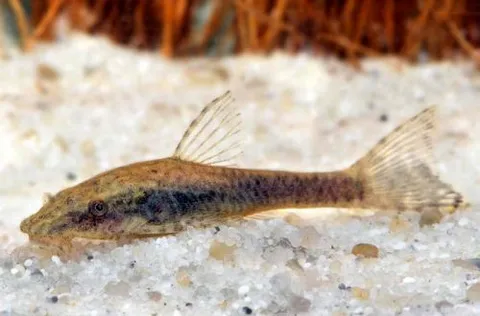
Otothyropsis piribebuy
Otothyropsis piribebuy, known as Otocinclus negros (formerly Otocinclus sp. "Negros"), belongs to the family Loricariidae, which includes armored catfishes. The native habitat of this small catfish is the waters of…
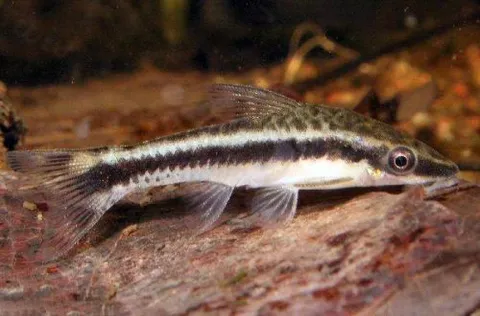
Otocinclus vittatus
Otocinclus vittatus, the scientific name for the dwarf oto, belongs to the armored catfish family (Loricariidae). This species is often used in aquariums to control algae growth. Despite its unassuming coloration, the…
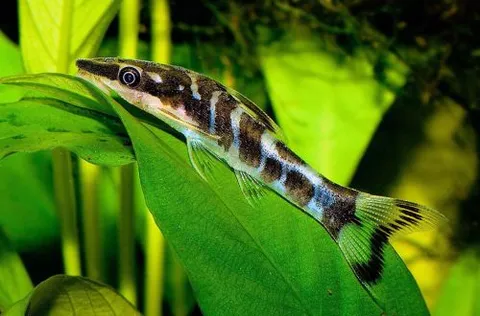
Otocinclus cocama
Otocinclus cocama, also known as the sucker catfish, zebra otocinclus, or algae-eating catfish, belongs to the family Loricariidae, which unites armored catfishes. This fish does not boast bright coloration and leads a…
Otocinclus affinis
Otocinclus affinis, known scientifically as Otocinclus affinis, belongs to the Loricariidae family, which includes armored catfish. This fish is peaceful and calm, but its inconspicuous coloration prevents it from…