Temperature21 – 25 °C
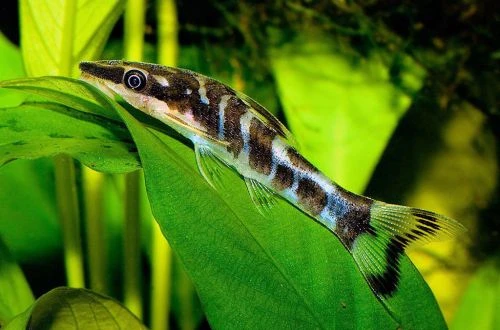
Otocinclus cocama, also known as the sucker catfish, zebra otocinclus, or algae-eating catfish, belongs to the family Loricariidae, which unites armored catfishes. This fish does not boast bright coloration and leads a rather secretive lifestyle, which will likely prevent it from becoming the central decoration of an aquarium. However, its contribution to maintaining the aesthetics of the aquascape is significant: thanks to its vegetarian diet, it is an effective biological means of controlling algae.
Adult female catfish reach a length of up to 4.5 cm, while males are usually smaller and rarely exceed 3.5 cm. Otherwise, sexual dimorphism is weakly expressed, so determining the sex in a group of fish of different ages can be very difficult. They can look almost identical. Their coloration is silvery, with a large dark pattern. The fins and tail are translucent, adorned with black strokes.
The natural habitat of this species is in Peru, South America. It is found in the basins of the Ucayali (lower reaches) and Marañón rivers, all the way to their mouth. These fish prefer areas with slow currents in the main river channel and its tributaries, staying predominantly near the banks among dense aquatic vegetation.
This is a calm and peaceful fish that gets along well with other non-aggressive species of similar size. For such a modest catfish, large and overly active neighbors will not be the best company. It is advisable to keep them in a group of at least 6–8 individuals.
For a group consisting of 6–8 individuals, an aquarium of 40 liters or more will be suitable. The aquascape should include many shelters, such as snags and other decorative elements, as well as areas with dense vegetation. The presence of natural wood, such as roots and branches, will not only be aesthetically appealing but will also provide a basis for algae growth, offering an additional food source. This species is considered quite unpretentious, provided stable water conditions and regular aquarium maintenance, including water changes and the removal of organic waste, are maintained.
The sucker catfish is an absolute vegetarian; its diet consists exclusively of plant-based food. In an aquarium environment, it can be fed chopped vegetables such as spinach, zucchini, or cucumber. Specialized foods for herbivorous fish in the form of sinking flakes or pellets, made from dried algae, are also suitable. In addition, this catfish will gladly eat algae that forms on aquarium glass, plant leaves, and decorative elements, thereby cleaning them. It is safe for most decorative aquatic plants.
Breeding in home aquariums is difficult and occurs spontaneously when there is a healthy group of fish in a stable environment. Simulating the rainy season through a slight decrease in water temperature can serve as a stimulus. The female lays a small number of sticky eggs on plant leaves or glass. Parents do not show care for their offspring and may eat the eggs. Newly hatched fry need an aquarium with an abundance of biofilm on surfaces to survive.
The main cause of most diseases in these fish is unsuitable keeping conditions and poor-quality nutrition. If initial symptoms are observed, it is first necessary to check water parameters and the concentration of dangerous substances such as ammonia, nitrites, and nitrates. If the indicators deviate from the norm, they should be brought back into order, and only then should treatment begin.
When purchasing, choose active individuals with a rounded, but not bloated, belly. It is important to avoid fish with sunken bellies, as this often indicates emaciation and problems adapting to artificial foods. It is recommended to acquire individuals that show interest in foraging on decorations or glass, and to avoid sluggish fish lying motionless on the bottom. It is advisable to acquire a group of 6 or more individuals to reduce stress levels during relocation.
The essentials: size, tank volume, water parameters and care
An adult reaches 4 cm in length. Plan the tank around the maximum size: the fish quickly outgrows a cramped setup.
The recommended volume is 40 L. A smaller tank speeds up nitrate build-up and raises stress levels.
Temperature 21–25 °C, pH 6–7.5, hardness 2–10 dGH. Stability matters more than exact values: sudden swings are harder on the fish than a small deviation from the ideal.
Around 4 years when kept properly. Lifespan depends directly on tank volume, water quality and a varied diet.
Temperament: peaceful (regular). Keep this in mind when choosing tank mates.
Recommended setup: medium group (6–8 individuals). Ignoring this is a common cause of stress and disease.
Diet type: plant-based (algae, vegetables). Feed small portions that are finished within a couple of minutes — overfeeding does more harm than underfeeding.
The scientific name of the species is Otocinclus cocama, family Armored Catfishes (Loricariidae).
The water suits 196 of 208 plants in the catalogue — the easiest ones are shown first.
Afzelius's AnubiasAnacharisAnubiasBrazilian PennywortDwarf CloverDwarf CloverDwarf HygrophilaDwarf SagittariaDwarf ValGuppy GrassHornwortJava FernJava MossMoneywortMud SwordNarrow Leaf AnacharisNarrow-leaf CloverStringy MossSüsswassertangTaiwan MossTape GrassTemple PlantUssuri WatermilfoilWater Wisteria
Matched by family, categories and overlapping keeping conditions
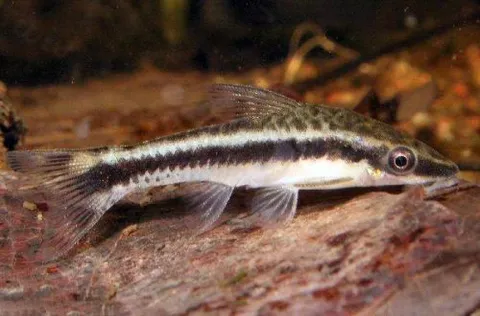
Otocinclus vittatus
Otocinclus vittatus, the scientific name for the dwarf oto, belongs to the armored catfish family (Loricariidae). This species is often used in aquariums to control algae growth. Despite its unassuming coloration, the…
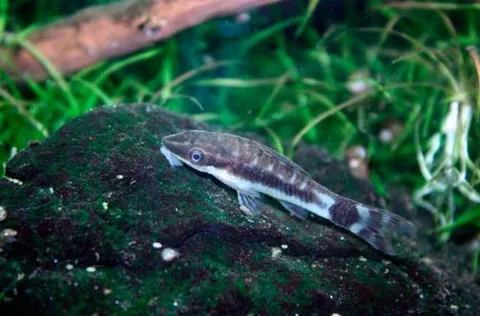
Otocinclus hoppei
Hoppe's Otocinclus, Otocinclus hoppei — its scientific name — is a member of the armored catfish family (Loricariidae). This fish is native to South America, where it inhabits the Madeira and Ucayali river basins, part…
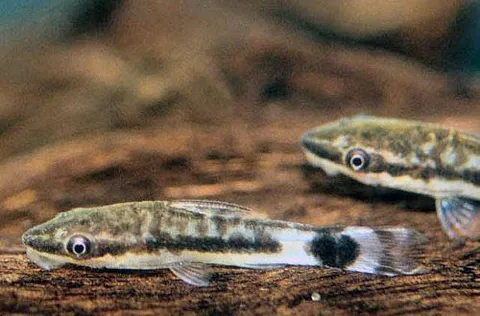
Otocinclus macrospilus
Otocinclus macrospilus, known as the Otocinclus macrospilus or Oto Catfish, belongs to the family Loricariidae, which includes armored catfish. Among its close relatives are Otocinclus affinis and the Zebra Otocinclus.…
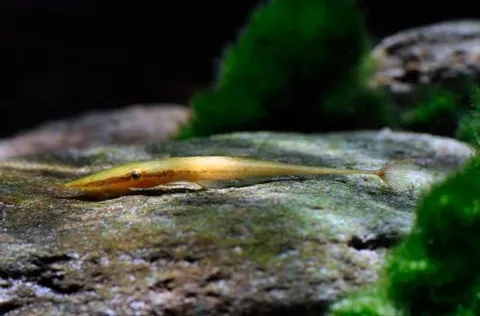
Acestridium dichromum
The Whiptail Catfish, or Acestridium dichromum, belongs to the family Loricariidae, which includes armored catfish. This species first became available to aquarists in the late 1990s, making it relatively new to the…