Temperature21 – 26 °C
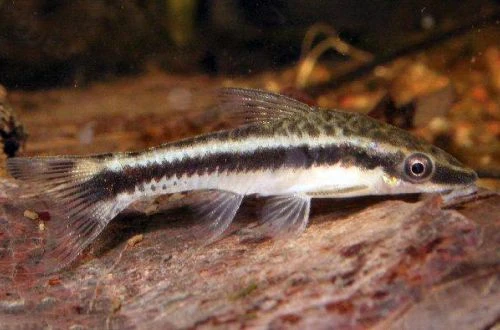
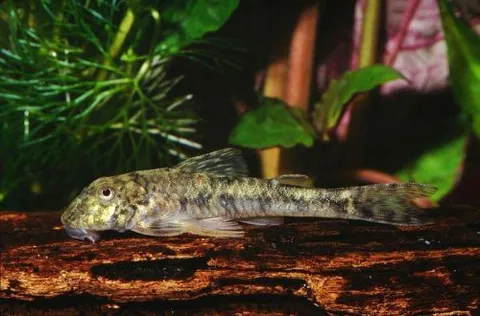
Otocinclus vittatus, the scientific name for the dwarf oto, belongs to the armored catfish family (Loricariidae). This species is often used in aquariums to control algae growth. Despite its unassuming coloration, the fish successfully performs its task while remaining inconspicuous.
Adults reach approximately 3.5 cm in length. Sexual dimorphism is weakly pronounced; females are only slightly larger (wider) than males, which is noticeable when viewed from above. Their mouth is shaped like a sucker, allowing them to effectively scrape algal growth from various surfaces such as rocks or leaves. The body color is gray, with a broad dark stripe running along the entire body, from head to tail. The belly remains white.
Its natural habitat is in South America, primarily in the Upper Amazon region of Peru. A wider range is sometimes mentioned, also covering Colombia and Ecuador. It prefers to live in small rivers and streams where aquatic vegetation grows abundantly. In these areas, "floating meadows" often form from numerous plants on the water surface, providing shelter for various fish species, including otocinclus.
This peaceful and calm fish prefers to live in small groups. It coexists well with other non-aggressive species of comparable size, such as Corydoras catfish, small characins, or American cichlids. It is not recommended to keep them with overly active fish.
For a pair of these fish, an aquarium of at least 40 liters is recommended. The aquascape should include an abundance of various plants – both rooted and floating, with broad or narrow leaves. Snags and other shelters are also necessary. Natural bogwood can serve as a substrate for algae growth, providing an additional food source. The choice of substrate is not critical, as the banded otocinclus spends most of its time above the substrate, resting on plant leaves. To maintain favorable conditions, high water quality and appropriate hydrochemical parameters are extremely important. A productive filtration system is desirable; preference should be given to models that do not create an excessively strong current. Weekly partial water changes and regular cleaning of organic waste are mandatory procedures.
In natural conditions, as already noted, the diet of this fish consists of algae, as well as small insects and crustaceans living within them. In a home aquarium, it is important that plant-based components form the basis of their diet. These can include, for example, pieces of cucumber, spinach, zucchini, or spirulina flakes. Occasionally, live or frozen foods such as bloodworms, brine shrimp, or daphnia can be given.
Breeding this species is possible, but can be challenging for beginner aquarists. Particular difficulties often arise with feeding the fry. The breeding process resembles that of Corydoras, but, unlike them, the eggs are scattered randomly.
The main cause of most diseases in these fish is unsuitable keeping conditions and poor-quality nutrition. If initial symptoms are observed, it is first necessary to check water parameters and the concentration of dangerous substances such as ammonia, nitrites, and nitrates. If the indicators deviate from the norm, they should be brought back into order, and only then should treatment begin.
When acquiring otocinclus, prioritize individuals that have undergone quarantine and adaptation in the store, as most fish sold are wild-caught and tolerate changes in conditions poorly. Carefully inspect the fish: a healthy otocinclus should be active, without visible damage, spots, or signs of emaciation. A rounded belly is the main indicator that the individual is healthy and receiving sufficient nutrition. Avoid purchasing fish with sunken bellies, rapid breathing, or sluggish behavior, as these often indicate stress, illness, or a critical food deficiency. If possible, inquire whether the fish accept artificial foods to facilitate their subsequent care in the aquarium.
The essentials: size, tank volume, water parameters and care
An adult reaches 3.5 cm in length. Plan the tank around the maximum size: the fish quickly outgrows a cramped setup.
The recommended volume is 40 L. A smaller tank speeds up nitrate build-up and raises stress levels.
Temperature 21–26 °C, pH 5.5–7.5, hardness 1–12 dGH. Stability matters more than exact values: sudden swings are harder on the fish than a small deviation from the ideal.
Around 4 years when kept properly. Lifespan depends directly on tank volume, water quality and a varied diet.
Temperament: peaceful (regular). Keep this in mind when choosing tank mates.
Recommended setup: medium group (6–8 individuals). Ignoring this is a common cause of stress and disease.
Diet type: plant-based (algae, vegetables). Feed small portions that are finished within a couple of minutes — overfeeding does more harm than underfeeding.
The scientific name of the species is Otocinclus vittatus, family Armored Catfishes (Loricariidae). It also appears in the literature as: Rhamdella paraguensis, Rhinelepis paraguensis, Rhinolepis paraguensis.
The water suits 198 of 208 plants in the catalogue — the easiest ones are shown first.
Afzelius's AnubiasAnacharisAnubiasBrazilian PennywortDwarf CloverDwarf CloverDwarf HygrophilaDwarf SagittariaDwarf ValGuppy GrassHornwortJava FernJava MossMoneywortMud SwordNair's LagenandraNarrow Leaf AnacharisNarrow-leaf CloverStringy MossSüsswassertangTaiwan MossTape GrassTemple PlantUssuri Watermilfoil
Matched by family, categories and overlapping keeping conditions
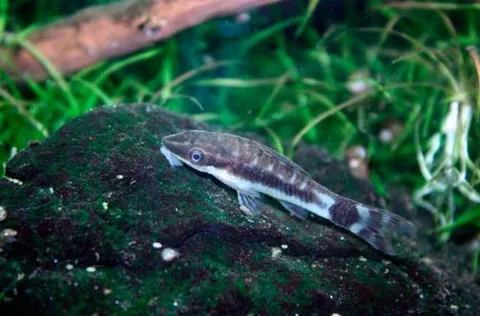
Otocinclus hoppei
Hoppe's Otocinclus, Otocinclus hoppei — its scientific name — is a member of the armored catfish family (Loricariidae). This fish is native to South America, where it inhabits the Madeira and Ucayali river basins, part…
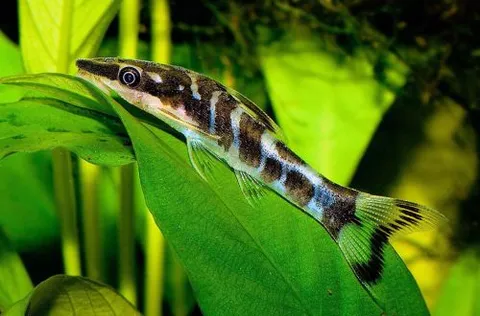
Otocinclus cocama
Otocinclus cocama, also known as the sucker catfish, zebra otocinclus, or algae-eating catfish, belongs to the family Loricariidae, which unites armored catfishes. This fish does not boast bright coloration and leads a…
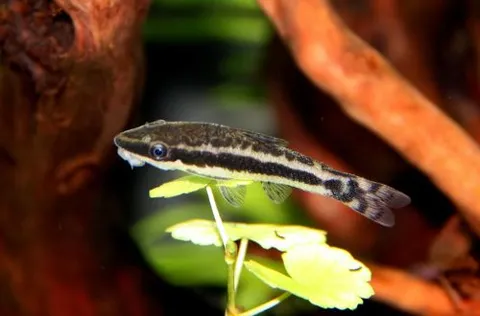
Otocinclus affinis
Otocinclus affinis, known scientifically as Otocinclus affinis, belongs to the Loricariidae family, which includes armored catfish. This fish is peaceful and calm, but its inconspicuous coloration prevents it from…
Parotocinclus jumbo
Parotocinclus jumbo, or the jumbo dwarf suckermouth catfish, belongs to the armored catfish family (Loricariidae). It is noteworthy that "jumbo" translates to "giant," which at first glance may seem unexpected, as the…