Temperature18 – 26 °C
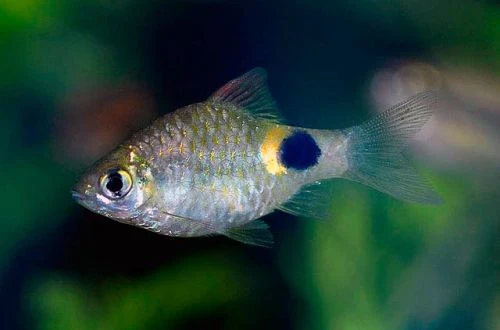
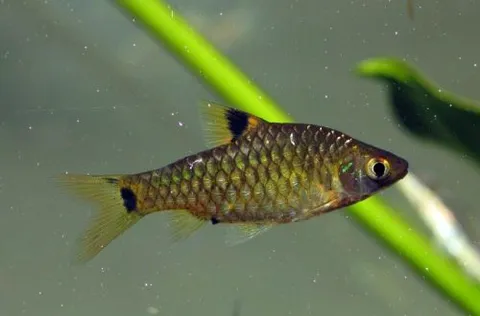
Puntius terio, known as the One-spot Barb, belongs to the Cyprinidae family. Despite its naturally wide habitat range and relative unpretentiousness in keeping, this fish is not often found in home aquariums. Its modest coloration, compared to its close relatives, and its recent appearance in the aquarium trade are the main reasons for its rarity.
Adult specimens of this fish can reach a length of up to 9 cm. They have a silvery coloration, and a characteristic feature is a prominent black spot, surrounded by yellow pigmentation, located at the base of the tail. Brighter yellow hues are usually characteristic of males, while in females they are less intensely expressed. Otherwise, no significant sexual dimorphism is observed. It is worth noting that fish from different geographical regions may have slight differences. In particular, black specks can sometimes be seen on the dorsal fin, which can merge into a dark stripe.
This species is widespread across vast territories of Pakistan, India, Nepal, and Bangladesh. These fish inhabit the water systems of large rivers such as the Indus, Ganges, and Brahmaputra, preferring their small tributaries and streams; they are significantly less often found in the main channels of large bodies of water. The conditions of their natural habitat show noticeable changes depending on the time of year. For example, during the monsoon season, rivers become turbid due to the abundance of washed-away soil, and coastal areas are often flooded.
This is a peaceful schooling fish that is undemanding regarding water hydrochemical parameters, which allows it to get along well with representatives from a wide variety of regions. As a result, many popular aquarium fish will be excellent tank mates. It is recommended to acquire them in a group of at least 8–10 individuals so that they feel comfortable.
For comfortable keeping of a small school of these fish, an aquarium of at least 80 liters is necessary. The design of the aquatic home depends entirely on the aquarist's preferences or the requirements of other inhabitants. Aquarium care for One-Spot Barbs is quite simple and includes several standard procedures: weekly partial water changes with fresh water, regular cleaning of the substrate and decorations from organic pollution, and timely equipment maintenance. It is also important to constantly monitor and maintain the stability of parameters such as pH, dGH, and oxidizability.
This omnivorous species has no special dietary requirements and readily accepts most common foods intended for aquarium fish. When choosing a diet, it is recommended to give preference to products from well-known and reputable manufacturers to ensure the fish receive complete and high-quality nutrition.
Reliable scientific data on the captive breeding of this species is currently unavailable. The literature only mentions that the fish are capable of spawning in aquarium conditions, but detailed protocols for spawning stimulation, water parameters for incubation, and fry rearing methods are not described.
In a balanced aquarium ecosystem, closely matching the requirements of this species, diseases are extremely rare. Illnesses often arise due to deteriorating habitat quality, contact with already sick fish, or physical injuries.
When purchasing, choose active individuals with clean fins and no visible skin damage. It is important to pay attention to the following signs: — absence of signs of emaciation or unnatural abdominal bloating — calm behavior in the school, absence of signs of timidity or apathy — clean scales without plaque, spots, or ulcers — absence of rapid breathing when the fish is in the retail aquarium.
The essentials: size, tank volume, water parameters and care
An adult reaches 6–9 cm in length. Plan the tank around the maximum size: the fish quickly outgrows a cramped setup.
The recommended volume is 80 L. A smaller tank speeds up nitrate build-up and raises stress levels.
Temperature 18–26 °C, pH 6.5–7.5, hardness 2–12 dGH. Stability matters more than exact values: sudden swings are harder on the fish than a small deviation from the ideal.
Around 5 years when kept properly. Lifespan depends directly on tank volume, water quality and a varied diet.
Temperament: peaceful (regular). Keep this in mind when choosing tank mates.
Recommended setup: group (8–10 individuals). Ignoring this is a common cause of stress and disease.
Diet type: small / appropriate size / pieces. Feed small portions that are finished within a couple of minutes — overfeeding does more harm than underfeeding.
The scientific name of the species is Puntius terio, family Cyprinids (Cyprinidae). It also appears in the literature as: Barbus terio, Cyprinus terio, Systomus gibbosus.
The water suits 197 of 208 plants in the catalogue — the easiest ones are shown first.
Afzelius's AnubiasAnacharisAnubiasBrazilian PennywortDwarf CloverDwarf CloverDwarf HygrophilaDwarf SagittariaDwarf ValGuppy GrassHornwortJava FernJava MossMoneywortMud SwordNair's LagenandraNarrow Leaf AnacharisNarrow-leaf CloverStringy MossSüsswassertangTaiwan MossTape GrassTemple PlantUssuri Watermilfoil
Matched by family, categories and overlapping keeping conditions
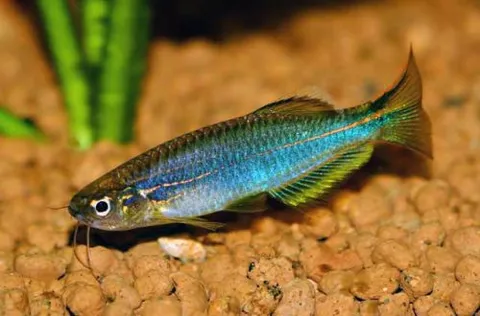
Danio sp. «Hikari»
Danio Hikari, scientifically known as Danio sp. "Hikari," belongs to the carp family (Cyprinidae). This species entered the aquarium hobby in 2002. Initially, it was considered a variety of Danio kerryi, but DNA studies…
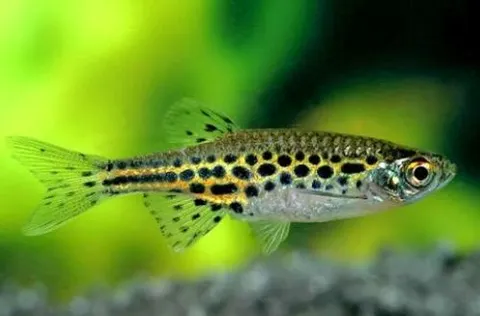
Danio tinwini
Danio tinwini, also known as the Gold-ring Danio or Burmese Spotted Danio, bears the scientific name Danio tinwini and belongs to the family Cyprinidae. It received one of its names in honor of U Tin Win, a prominent…
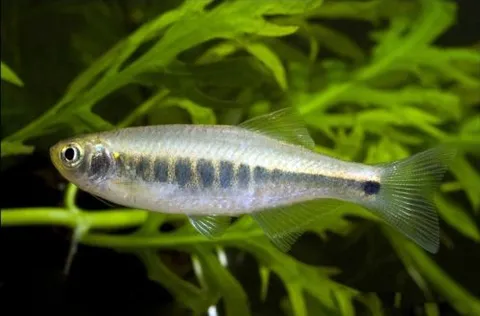
Danio absconditus
Danio absconditus, known as the Hidden Danio, belongs to the family Cyprinidae. This species was discovered relatively recently, in 2015. The intriguing name "Hidden" does not describe the fish's behavior but is related…
Puntius vittatus
Puntius vittatus, known as the Greenstripe Barb, belongs to the carp family (Cyprinidae). This unpretentious fish adapts well to aquarium conditions, breeds easily, and coexists harmoniously with most peaceful tank…