Temperature24 – 28 °C
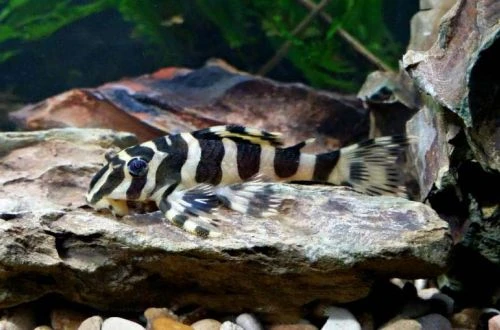
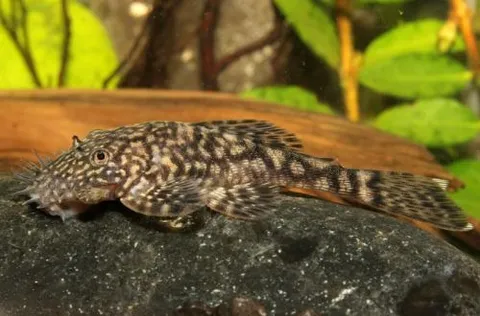
Peckoltia compta, a representative of the armored catfish family (Loricariidae), is one of the most popular pleco species. Its popularity is due to its bright, contrasting coloration, modest size, peaceful nature, and relatively simple care requirements.
Adults reach approximately 6 cm in length. A distinctive feature of this catfish is its striped pattern: dark stripes are set against a light background, which in juveniles often has a more pronounced yellow hue. Interestingly, there is another form found in the Jamaxim River basin, a tributary of the Tapajós; its stripes are less regular and resemble dark spots more. Like many armored catfish, Peckoltia compta has effective protection against small predators: its body is covered with rigid formations dotted with small, sharp spines, and the first rays of its fins are modified into large spines.
This fish originates from South America. Wild populations are found in the Brazilian part of the Tapajós River basin, which is a right tributary of the Amazon. Here, it can be found everywhere in the bottom layers of rivers, where the current remains calm, among numerous snags.
The fish exhibits a peaceful and calm disposition, but it can show some territoriality. When keeping several catfish in an aquarium, it is recommended to provide each individual with at least 400 cm² (20×20 cm) of bottom area. Compatibility with other species ranges from small characins and cyprinids to medium-sized cichlids, such as geophagus.
For a pair of these catfish, an aquarium of 100 liters or more will be an optimal home. When decorating it, special attention should be paid to the bottom layer. The substrate can be any type, except for silty. It is desirable to place various snags, stones, and groups of rooted plants on the bottom. Creating shelters in the form of caves or grottoes will also be very appropriate. Peckoltia compta is quite undemanding regarding water hydrochemical parameters, which greatly simplifies maintaining suitable conditions. However, it requires warm, well-oxygenated water. The fish is sensitive to the accumulation of organic waste, such as food remnants and excrement. Standard aquarium care includes a minimal set of actions: weekly partial water changes with fresh water, combined with substrate cleaning and prophylactic equipment inspection.
Although many plecos are predominantly herbivorous, this species prefers a high-protein diet. The daily diet can consist of dry sinking foods — flakes, granules, or tablets — which should be supplemented with live or frozen foods such as large daphnia, bloodworms, or artemia.
Breeding occurs in aquarium conditions, where the fish choose suitable shelters in the form of caves or tubes for spawning. The stimulus for the process often comes from simulating the rainy season through regular water changes and increased temperature. The male cares for the offspring, guarding the egg clutch inside the shelter and fanning it with his fins until the larvae hatch. After the fry start feeding independently, they require high-quality foods, including artemia nauplii and finely ground plant components.
The species is sensitive to water quality and the accumulation of nitrogenous compounds, which can provoke bacterial infections and skin lesions. Major health problems often arise from an improper diet or stress caused by a lack of hiding places. To prevent diseases, it is necessary to maintain stable environmental parameters, ensure effective filtration, and regular aeration, as the fish are demanding of high dissolved oxygen content.
When purchasing, pay attention to the fish's activity in the evening, as this is a nocturnal species. A healthy individual should have a plump body without visible depressions in the abdominal area, clean fins without signs of erosion, and clear eyes. Avoid purchasing fish with bloated bellies, pale coloration, or damage to the bony plates, as this may indicate emaciation or the presence of parasites. In the store, it is recommended to check compatibility with other aquarium inhabitants.
The essentials: size, tank volume, water parameters and care
An adult reaches 6 cm in length. Plan the tank around the maximum size: the fish quickly outgrows a cramped setup.
The recommended volume is 100 L. A smaller tank speeds up nitrate build-up and raises stress levels.
Temperature 24–28 °C, pH 5.5–7.4, hardness 1–15 dGH. Stability matters more than exact values: sudden swings are harder on the fish than a small deviation from the ideal.
Around 10 years when kept properly. Lifespan depends directly on tank volume, water quality and a varied diet.
Temperament: peaceful (regular). Keep this in mind when choosing tank mates.
Recommended setup: both solitary and in group (flexible). Ignoring this is a common cause of stress and disease.
Diet type: sinking (any). Feed small portions that are finished within a couple of minutes — overfeeding does more harm than underfeeding.
The scientific name of the species is Peckoltia compta, family Armored Catfishes (Loricariidae).
The water suits 197 of 208 plants in the catalogue — the easiest ones are shown first.
Afzelius's AnubiasAnacharisAnubiasBrazilian PennywortDwarf CloverDwarf CloverDwarf HygrophilaDwarf SagittariaDwarf ValGuppy GrassHornwortJava FernJava MossMoneywortMud SwordNair's LagenandraNarrow Leaf AnacharisNarrow-leaf CloverStringy MossSüsswassertangTaiwan MossTape GrassTemple PlantUssuri Watermilfoil
Matched by family, categories and overlapping keeping conditions
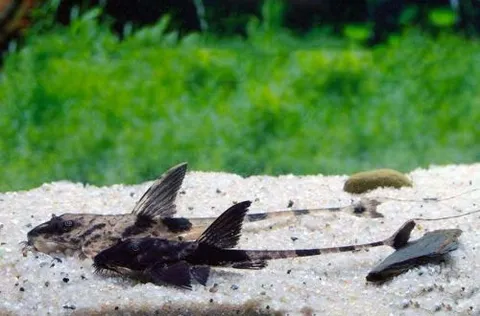
Loricaria simillima
The Marbled Whiptail, also known as Loricaria simillima (scientific name Loricaria simillima), is a member of the family Loricariidae, or Armored Catfishes. The native habitat of this fish is South America, where it is…
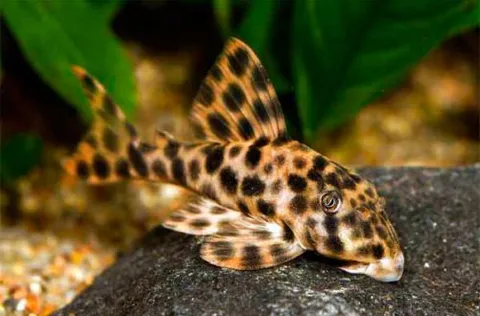
Peckoltia oligospila
This catfish, known scientifically as Peckoltia oligospila, belongs to the extensive family Loricariidae, also called Armored Catfish. The fish owes its name to the botanist and pharmacist Gustavo Peckolt, a German born…
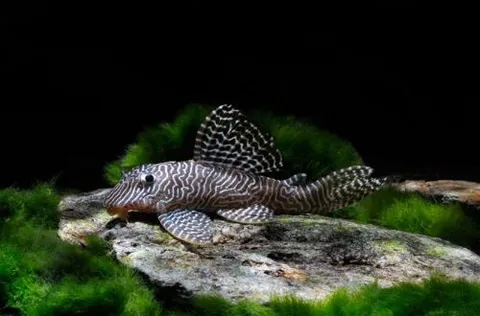
Hypancistrus sp. L260
The Queen Arabesque Pleco, or Painted Pleco, scientifically known as Hypancistrus sp. L260, belongs to the Loricariidae family, which includes armored catfish. The lack of a universally recognized scientific…
Ancistrus claro
Ancistrus claro, scientifically named Ancistrus claro, belongs to the family Loricariidae, also known as Armored Catfish. Its name originates from the Claro River, a small tributary of the Cuiabá River in the Brazilian…