Temperature23 – 27 °C
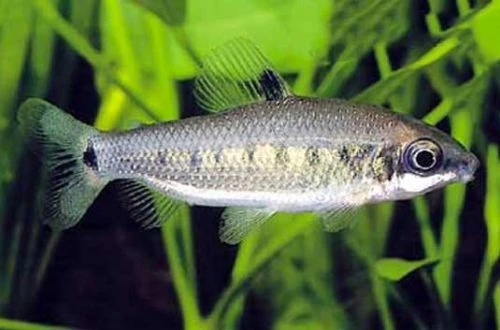
The Ten-spot Distichodus, or Distichodus decemmaculatus according to its scientific name, belongs to the family Distichodontidae. This species originates from the African continent, specifically from the central basin of the Congo River. It prefers to inhabit numerous tributaries where the water is calm, especially in coastal zones heavily overgrown with aquatic vegetation.
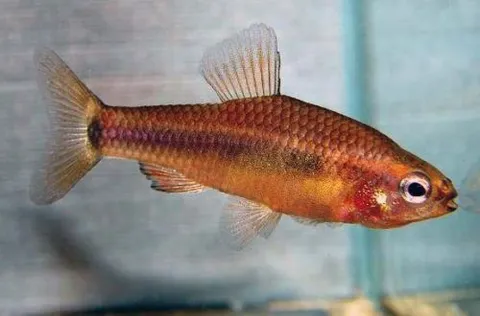
In their natural habitat, the size of these fish rarely exceeds 7 cm in length, but when kept in an aquarium, they can grow larger. Their body coloration is usually gray or silver. As the name suggests, a characteristic feature of their pattern is ten dark spots located along the entire body. Additionally, another spot can be observed at the base of the dorsal fin. Sexual dimorphism in this species is weakly expressed: males and females are practically indistinguishable, although females are sometimes slightly larger.
The species inhabits the central part of the Congo River basin in Africa. In nature, it populates sections of rivers with slow or stagnant currents, preferring coastal zones densely overgrown with aquatic vegetation. The water in its habitats is characterized by moderate hardness and a neutral or slightly acidic pH level.
This is a peaceful schooling species that needs to be kept in a group of 8–10 individuals. They coexist easily with other fish of comparable size and peaceful temperament.
For a small shoal, the optimal aquarium volume starts from 150–200 liters. In the aquascape, it is important to provide various shelters, using both natural elements (stones, snags) and artificial decorations. Since Distichodus decemmaculatus mainly feeds on aquatic plants, it is advisable to choose unpretentious hard-leaved species for decoration, such as Vallisneria, Anubias, or Java fern. This species is considered easy to keep: the fish adapts well to various conditions and can tolerate a wide range of hydrochemical parameters. Maintaining stable pH and dGH values, as well as preventing the accumulation of organic waste (e.g., food remnants and excrement), is of key importance.
Despite the fact that Distichodus decemmaculatus belongs to herbivorous species, it cannot be called exclusively vegetarian. Its diet should include protein food in small quantities. You can combine universal dry foods with vegetable additives or choose specialized products developed for fish with similar dietary needs.
There are no confirmed cases of breeding in a home aquarium. In the wild Distichodus spawn during the rainy season on the floodplains. In aquaria spawning is sometimes coaxed with large water changes using cooler water to imitate the arrival of the flood, but this has not produced a reliable result. No external sexual differences have been described.
No specific species-specific diseases have been identified. Like other members of the family, the fish is sensitive to water quality and nitrate levels. If the keeping conditions are violated, especially when kept alone or under stress, the fish become susceptible to infectious and parasitic diseases characteristic of most tropical freshwater fish.
When purchasing, choose active individuals with clear fins and no visible damage to their scales. It is important to pay attention to the behavior of the fish in the store: healthy specimens stay in a school and show interest in food. Avoid individuals with signs of emaciation, sunken bellies, or apathetic behavior, as this species can be sensitive to transportation and changes in conditions.
The essentials: size, tank volume, water parameters and care
An adult reaches 7 cm in length. Plan the tank around the maximum size: the fish quickly outgrows a cramped setup.
The recommended volume is 150 L. A smaller tank speeds up nitrate build-up and raises stress levels.
Temperature 23–27 °C, pH 6.5–7.5, hardness 2–12 dGH. Stability matters more than exact values: sudden swings are harder on the fish than a small deviation from the ideal.
Around 8 years when kept properly. Lifespan depends directly on tank volume, water quality and a varied diet.
Temperament: peaceful (regular). Keep this in mind when choosing tank mates.
Recommended setup: group (8–10 individuals). Ignoring this is a common cause of stress and disease.
Diet type: plant-based (algae, vegetables). Feed small portions that are finished within a couple of minutes — overfeeding does more harm than underfeeding.
The scientific name of the species is Distichodus decemmaculatus, family Distichodontidae.
The water suits 197 of 208 plants in the catalogue — the easiest ones are shown first.
Afzelius's AnubiasAnacharisAnubiasBrazilian PennywortDwarf CloverDwarf CloverDwarf HygrophilaDwarf SagittariaDwarf ValGuppy GrassHornwortJava FernJava MossMoneywortMud SwordNair's LagenandraNarrow Leaf AnacharisNarrow-leaf CloverStringy MossSüsswassertangTaiwan MossTape GrassTemple PlantUssuri Watermilfoil
Matched by family, categories and overlapping keeping conditions
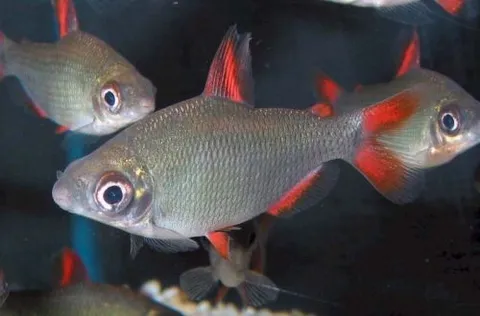
Distichodus affinis
The Red-finned Distichodus, known scientifically as Distichodus affinis, belongs to the family Distichodontidae. These are peaceful, large-sized fish that are not particularly decorative and are perceived more as…
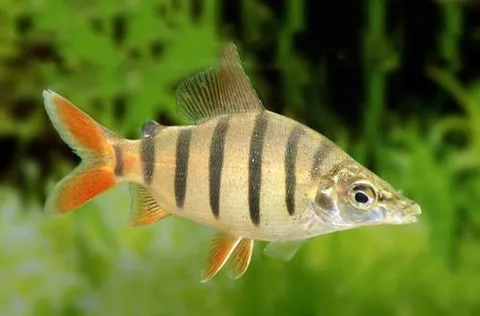
Distichodus lusosso
Distichodus lusosso, scientifically known as Distichodus lusosso, belongs to the family Distichodontidae. Its native habitat is equatorial Africa, where it is found in Cameroon, the Republic of the Congo, and the…
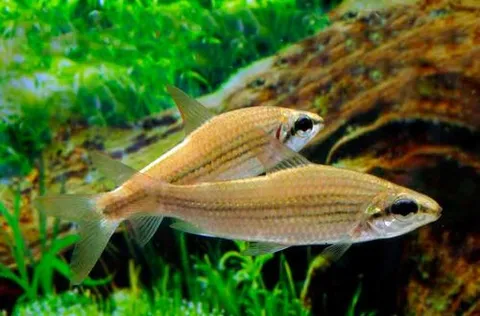
Cyphocharax multilineatus
Cyphocharax multilineatus, known as Curimata, belongs to the family Curimatidae, or toothless characins. This fish is native to South America, where it is found in the upper reaches of the Rio Negro and Orinoco rivers.…
Neolebias ansorgii
Neolebias ansorgii, or Ansorg's Neolebias, belongs to the family Distichodontidae. It is rarely found for sale, which is due to its specific requirements for keeping conditions. Often, these fish are kept improperly by…