Temperature18 – 25 °C
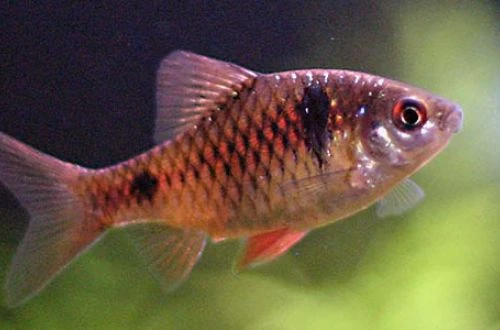
Pethia ticto, more commonly known as the Ticto Barb, belongs to the carp family (Cyprinidae). This fish is not only beautiful but also undemanding, making it an ideal choice even for beginner aquarists. It has a peaceful nature and coexists well with many other inhabitants of a community tank, demonstrating ease of care.
Adults grow no more than 6 cm. Males are usually slimmer and distinguished by a bright red-orange or pinkish coloration. Females appear more modest; their bodies are silvery, and faint pink reflections can only be seen on the dorsal fin. The body pattern common to both males and females consists of several dark spots: one is located just behind the head, closer to the gill cover, and the other surrounds the caudal peduncle.
The natural habitat of this species covers the entire Indian subcontinent in South Asia. The Ticto Barb is found in vast territories of modern states such as India, Pakistan, Nepal, Bangladesh, Bhutan, and Sri Lanka. It prefers shallow streams and tributaries of small rivers with abundant aquatic vegetation and silty bottoms, sometimes inhabiting significant altitudes in mountainous regions.
This peaceful and friendly fish thrives in communities of species similar in temperament and size. It is recommended to keep them in schools, acquiring a mixed group consisting of males and females. During competition for female attention and hierarchical position, males display the brightest shades of their coloration.
For comfortable keeping of a school of 8–10 Ticto Barbs, an aquarium of at least 80 liters is preferable, which will help avoid overcrowding issues. The fish do not have special requirements for decor, so the aquarium design can be chosen to your taste. Nevertheless, experienced aquarists often enjoy recreating elements of their natural environment, as in such conditions, the fish exhibit more natural behavior and more vibrant coloration. In this case, dark substrate, several groups of plants arranged along the side walls, and snags or tree roots in the center of the composition can be used for decoration. The standard set of equipment includes a filter, aerator, heater, and a low-power lighting system, as these fish do not like overly bright light. Water parameters should correspond to neutral or slightly acidic pH values with low hardness; more detailed information on pH and dGH parameters can be found in the “Hydrochemical composition of water” section. The permissible water temperature ranges from 18–25°C. When planning breeding, the temperature regime should be changed depending on the season: maintaining minimum permissible values in winter and gradually increasing them by spring. Aquarium care includes weekly partial water changes (15–20%) with fresh water and regular siphoning of the substrate to remove organic waste and metabolic products.
In their natural environment, their diet consists mainly of worms, insects, and other small invertebrates, supplemented by plant components and organic detritus. In aquarium conditions, these fish readily accept all types of quality dry and freeze-dried foods, as well as live and frozen products with plant additives. To maintain a balanced diet, it is crucial to combine various types of food, as a monotonous menu can lead to loss of vibrant coloration and weakened immunity. Feeding is recommended 2–3 times a day, offering a portion that will be eaten within 5 minutes. All leftover food must be removed promptly to prevent water pollution.
Breeding in a community tank is possible, but given the lack of parental care in Ticto Barbs and the tendency of the fish to eat their own eggs, the survival rate of fry will be extremely low. To increase the chances of success and make spawning more controlled, it is recommended to use a separate spawning tank. It is also necessary to observe the temperature regime recommended above: spawning usually occurs in spring, with rising temperatures. An important condition during this period is enhanced feeding of the fish with live or frozen foods. The spawning tank, typically around 30 liters, is filled with water from the main aquarium and equipped with a simple sponge filter, heater, and low-power light. Floating plants are convenient for additional light diffusion. Special attention is paid to the substrate: it is either made of balls 1 cm in diameter or ordinary gravel covered with a fine-mesh net with holes of such a size that the eggs can fall through it. This design helps protect the eggs from being eaten by the parents. With adherence to the temperature regime and an appropriate diet, the breeding period should begin in the first spring months. At this time, males begin to actively court females, who, in turn, become noticeably rounded due to eggs. At this point, the females and the brightest, largest males are moved to the spawning tank, where water conditions are identical. After spawning, the fish are returned to the main aquarium. Fry hatch after 24–48 hours, and after another day, they begin to swim freely. They should be fed specialized micro-foods available in pet stores.
In a balanced aquarium and under proper keeping conditions, the occurrence of various diseases does not become a problem. Difficulties usually arise from deteriorating water quality, insufficient nutrition, or constant stress in fish. Thus, diseases are more a consequence of an unsatisfactory environment, and the fight should begin precisely with eliminating these causes. Nevertheless, it is useful to know the symptoms of common diseases and their treatment methods.
When choosing Ticto Barbs in a store, pay attention to the overall activity of the school. Healthy fish should swim in the middle and upper layers of the water, show curiosity, and react quickly to external stimuli. Avoid individuals with signs of lethargy, who stay separate from the group or are constantly at the bottom, which may indicate stress or hidden diseases. Carefully inspect the fish for the following defects: — damaged or split fins; — whitish spots, film, or ulcers on the body; — unnaturally bloated or, conversely, severely sunken abdomen; — signs of emaciation or spinal curvature. It is recommended to purchase a mixed group of 8–10 individuals, as this reduces stress levels in the fish and allows for observation of their natural behavior. Ensure that there are no dead individuals in the tank with the fish, as the presence of corpses indicates poor water quality or infection in the system.
The essentials: size, tank volume, water parameters and care
An adult reaches 5–6.5 cm in length. Plan the tank around the maximum size: the fish quickly outgrows a cramped setup.
The recommended volume is 80 L. A smaller tank speeds up nitrate build-up and raises stress levels.
Temperature 18–25 °C, pH 6–7.5, hardness 3–12 dGH. Stability matters more than exact values: sudden swings are harder on the fish than a small deviation from the ideal.
Around 4 years when kept properly. Lifespan depends directly on tank volume, water quality and a varied diet.
Temperament: peaceful, active/mobile. Keep this in mind when choosing tank mates.
Recommended setup: schooling (usually from 5–6 individuals and more). Ignoring this is a common cause of stress and disease.
Diet type: any (universal). Feed small portions that are finished within a couple of minutes — overfeeding does more harm than underfeeding.
The scientific name of the species is Pethia ticto, family Cyprinids (Cyprinidae). It also appears in the literature as: Barbus ticto, Cyprinus ticto, Puntius ticto.
The water suits 196 of 208 plants in the catalogue — the easiest ones are shown first.
Afzelius's AnubiasAnacharisAnubiasBrazilian PennywortDwarf CloverDwarf CloverDwarf HygrophilaDwarf SagittariaDwarf ValGuppy GrassHornwortJava FernJava MossMoneywortMud SwordNarrow Leaf AnacharisNarrow-leaf CloverStringy MossSüsswassertangTaiwan MossTape GrassTemple PlantUssuri WatermilfoilWater Wisteria
Matched by family, categories and overlapping keeping conditions
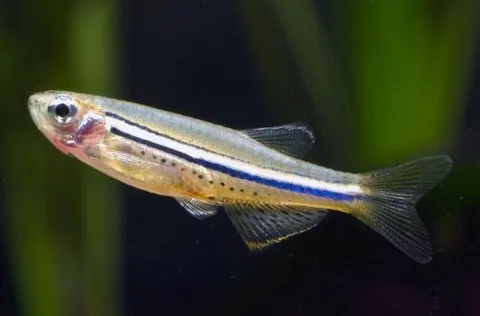
Danio nigrofasciatus
Danio nigrofasciatus, also known as the Spotted Danio, belongs to the family Cyprinidae. Among the representatives of this family, it stands out for its unusual characteristic: in some cases, the male and female form…
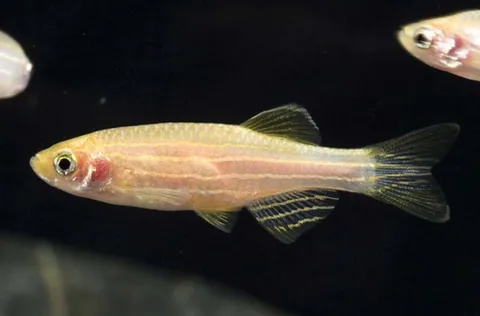
Danio rerio
The Albino Zebra Danio, scientifically known as Danio rerio, is a member of the Cyprinidae family. This fish is a natural morphological form of the Zebra Danio and is found in the wild. Its key difference from its…
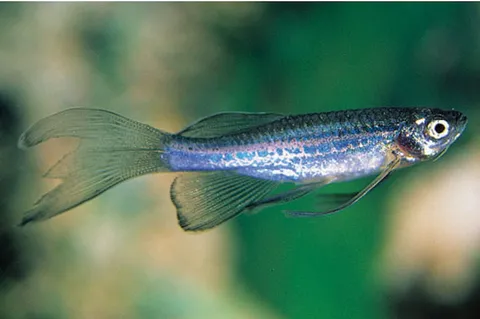
Danio rerio
The Blue Danio, known by its scientific name Danio rerio, belongs to the carp family (Cyprinidae). This variation of the classic Danio rerio stands out for its silvery-blue coloration, consisting of numerous small…
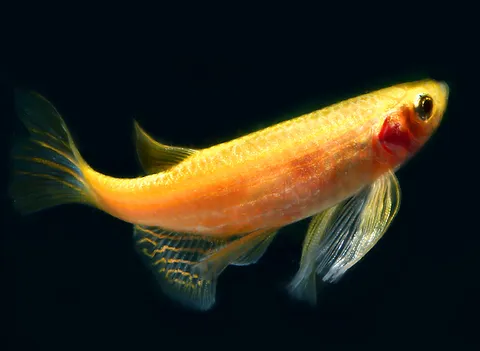
Danio rerio
A representative of the Cyprinidae family, known as the Gold Danio, bearing the scientific name Danio rerio, is similar in appearance and behavior to its brethren, with the exception of one important feature – its…