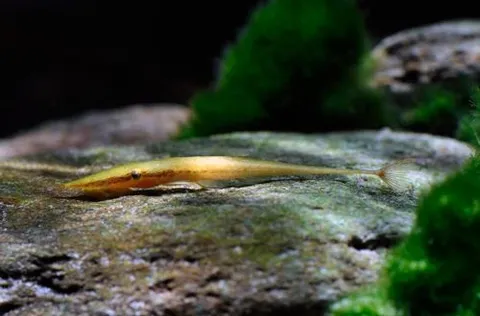
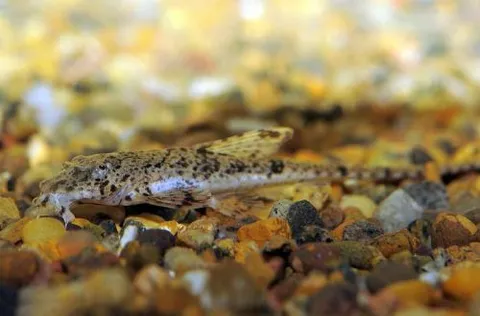
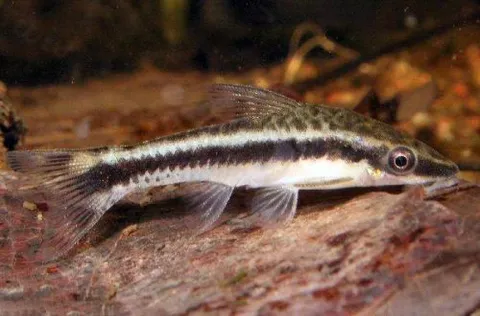
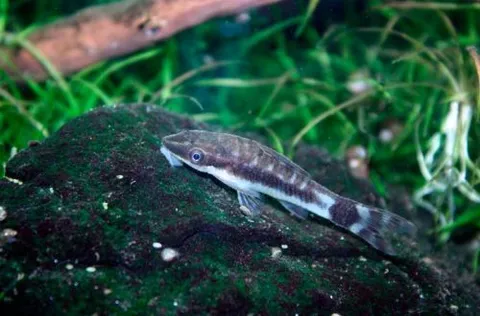
Breeding the Dark Ancistrus (Ancistrus cirrhosus) is relatively straightforward, primarily occurring in the winter months, which corresponds to the rainy season in the Amazon, when there is an influx of cooler water. Successful breeding is also possible in a regular aquarium, provided similar conditions are created, although it should be noted that not all aquarium inhabitants may appreciate this. To stimulate spawning in catfish, you can partially replace the water with cooler water. In late autumn (the beginning of the rainy season in the Amazon), it is recommended to replace at least 75% of the water with water at about 18°C, with a pH of 6.5–7.0 and soft hardness. For successful breeding of a single pair, an aquarium of at least 40 liters is required; if there are several males, the tank should be significantly larger to avoid territorial conflicts. The presence of caves or snags is essential, which the male uses to set up his nest, meticulously cleaning it and the surrounding area of debris. During courtship, the male spreads his dorsal and caudal fins, trying to attract the female to his nest. If successful, the female can lay 20 to 200 sticky eggs. The eggs attach to cracks in snags or roots, after which the female leaves the nest and no longer participates in the care of the eggs and fry. The male, on the other hand, does not leave the nest for the next 7–10 days until the fry appear, only occasionally venturing out to feed. He takes care of the cleanliness of the nest, removes non-viable eggs, and actively fans them with his fins, ensuring sufficient oxygen circulation. After hatching, the fry attach themselves with suckers to the surface of snags or the sides of the aquarium. For 4 days, they feed on the remnants of the yolk sac, and then switch to algae, if available. Fry can be fed by dissolving a small amount of baby puree made from zucchini, broccoli, or other vegetables in the water. Subsequently, the fry can be offered powdered dry vegetable food.