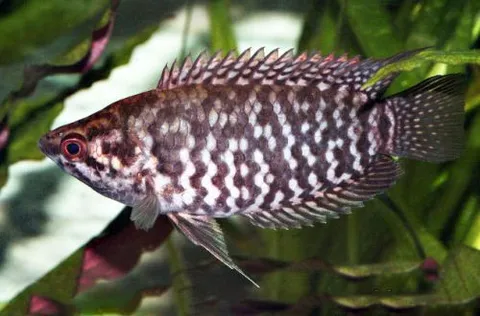
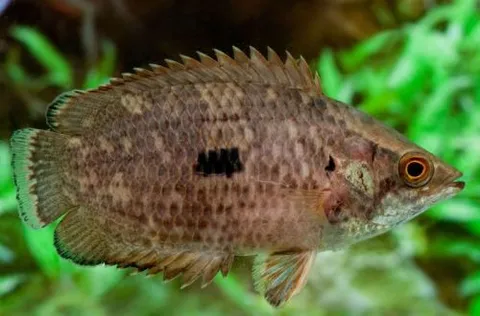
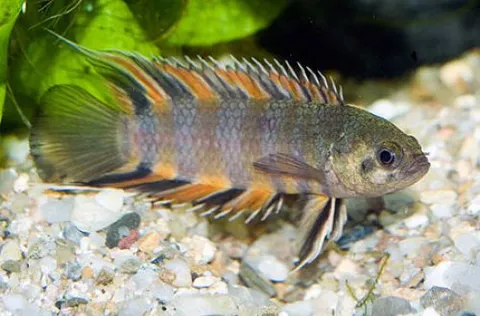
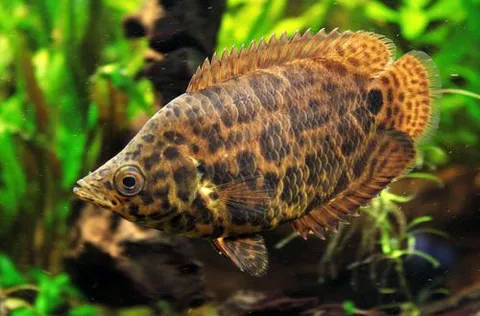
These fish are widely distributed in Southeast Asia and have also been introduced to Australia and the Pacific Islands. They are found in almost all aquatic biotopes: from swamps and lakes to river backwaters, canals, and even in rice paddies or temporary forest puddles. During the rainy season, when coastal areas are flooded, Anabas can move significant distances from the main channel. However, when the water recedes, the fish often find themselves in isolated water bodies. In such cases, to survive, they are capable of long overland migrations, sometimes covering hundreds of meters in search of a new habitat. Movement is achieved using pectoral fins and lateral movements of the tail and posterior part of the body. Such "journeys" do not occur regularly, but only when the water body completely dries up. In extreme conditions, Anabas can enter a state of dormancy for several weeks, burying itself in the substrate.