Temperature22 – 26 °C
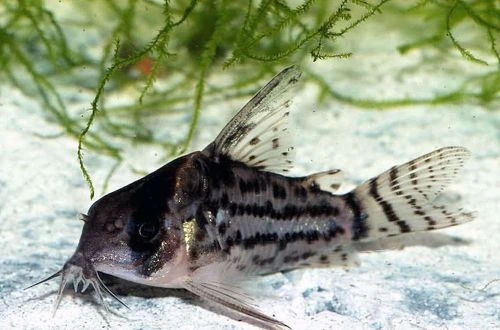
Corydoras schwartzi, also known as Schwartz's Corydoras, is a member of the Callichthyidae family. This fish inhabits South America, with its range limited to the Purus River basin, which in turn is one of the many tributaries of the mighty Amazon River. The preferred habitats for this catfish are small rivers and streams with sandy bottoms, as well as areas of tropical forests that are subject to regular flooding.
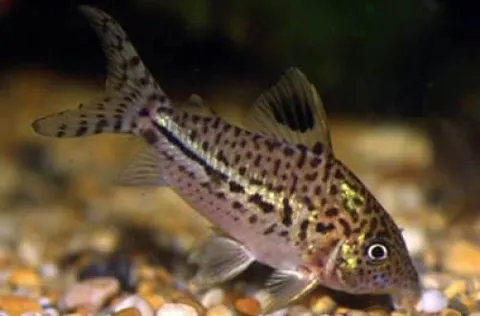
Corydoras schwartzi is a small bottom-dwelling fish with characteristic coloration: its body is light, covered with numerous small dark spots, and a distinct black stripe passes through its eye. A row of larger spots is often visible along the lateral line. The fish has sensitive barbels that help it search for food in the substrate. Sexual dimorphism is pronounced: females are larger and more robust than males, especially during spawning, while males are more slender and have slightly more developed pectoral fins.
The species is endemic to Brazil, inhabiting the Purus River basin. These fish live in areas of rivers with slow currents, where the bottom is covered with soft sand or silt, and the banks are densely vegetated. In their natural environment, they prefer places with abundant shelters in the form of snags and fallen leaves, which create shaded areas and provide protection.
This is a peaceful and schooling species that feels most comfortable in a group of 6 or more individuals. When alone, the fish become timid and less active. Corydoras schwartzi are primarily bottom-dwelling, constantly sifting through the substrate in search of food. They get along well with any calm, small fish that inhabit the middle and upper water layers and do not show aggression towards their tankmates.
For keeping a school, an aquarium of 70–100 L or more with a large bottom area is necessary. It is critically important to use a soft substrate (sand or fine rounded gravel) to avoid damaging the fish's sensitive barbels. The aquarium should include live plants, driftwood, and caves to create hiding places. It is recommended to maintain stable water parameters: pH 6.0–7.5 and a temperature of 22–26°C. Effective filtration and regular partial water changes are essential.
An omnivorous species, it feeds on small invertebrates, insect larvae, and plant detritus in nature. In the aquarium, they readily eat high-quality sinking foods: granules, tablets for bottom-dwellers, as well as frozen or live foods (brine shrimp, bloodworms). Feeding should be done in the evening when the fish's activity increases, allowing them to collect food from the bottom before other inhabitants eat it.
Breeding occurs through spawning. A stimulus for spawning is often a partial water change with cooler water, mimicking the rainy season. The female holds the eggs between her pelvic fins while the male fertilizes them, after which the pair deposits the eggs on a substrate — plant leaves or the aquarium glass. The parents do not care for their offspring. Fry begin swimming after a few days and require feeding with micro-foods.
These fish are susceptible to typical Corydoras diseases that arise from poor keeping conditions. The most common issues are barbel erosion due to sharp or dirty substrate, as well as fungal and bacterial skin infections when organic levels in the water are high. Prevention includes maintaining a clean bottom, using a soft substrate, and regular water quality monitoring.
When purchasing, choose active fish with clean skin and intact fins. It is important to ensure that the individuals' barbels are not damaged — their absence is a sign of improper keeping or illness. Avoid fish with sunken bellies or signs of lethargy. It is advisable to acquire a group of several individuals at once, as they adapt more quickly to new conditions and are less stressed in a school.
The essentials: size, tank volume, water parameters and care
An adult reaches 3.9–7 cm in length. Plan the tank around the maximum size: the fish quickly outgrows a cramped setup.
The recommended volume is 70 L. A smaller tank speeds up nitrate build-up and raises stress levels.
Temperature 22–26 °C, pH 6–7.5, hardness 1–15 dGH. Stability matters more than exact values: sudden swings are harder on the fish than a small deviation from the ideal.
Around 8 years when kept properly. Lifespan depends directly on tank volume, water quality and a varied diet.
Temperament: peaceful (regular). Keep this in mind when choosing tank mates.
Recommended setup: medium group (6–8 individuals). Ignoring this is a common cause of stress and disease.
Diet type: sinking (any). Feed small portions that are finished within a couple of minutes — overfeeding does more harm than underfeeding.
The scientific name of the species is Corydoras schwartzi, family Armored Catfish (Callichthyidae).
The water suits 197 of 208 plants in the catalogue — the easiest ones are shown first.
Afzelius's AnubiasAnacharisAnubiasBrazilian PennywortDwarf CloverDwarf CloverDwarf HygrophilaDwarf SagittariaDwarf ValGuppy GrassHornwortJava FernJava MossMoneywortMud SwordNair's LagenandraNarrow Leaf AnacharisNarrow-leaf CloverStringy MossSüsswassertangTaiwan MossTape GrassTemple PlantUssuri Watermilfoil
Matched by family, categories and overlapping keeping conditions
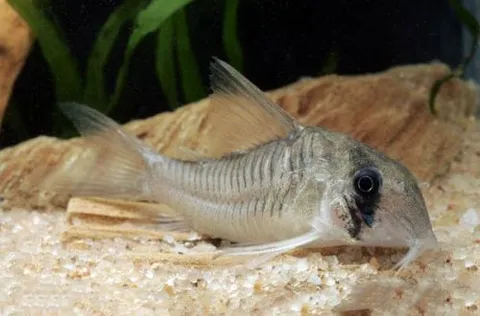
Corydoras griseus
The Grey Corydoras, or Corydoras griseus in Latin, belongs to the armored catfish family (Callichthyidae). Its natural habitat is in the northern regions of South America, in the Essequibo River basin in Guyana.
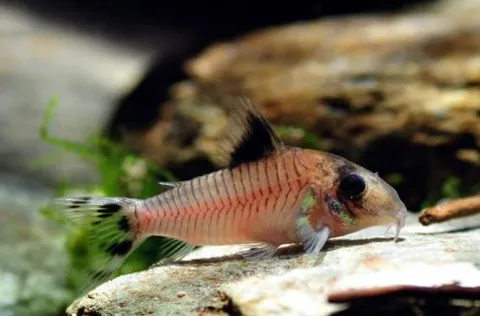
Corydoras condiscipulus
Corydoras condiscipulus, or the Condiscipulus Catfish (scientific name Corydoras condiscipulus), belongs to the family Callichthyidae, known as armored or callichthyid catfishes. The name itself comes from the Latin…
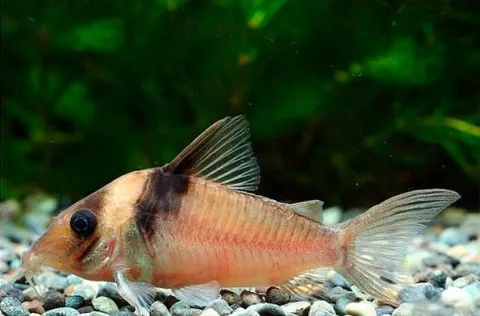
Corydoras virginiae
Corydoras virginiae, scientifically known as Corydoras virginiae, belongs to the family Callichthyidae — armored or callichthyid catfishes. This name was given to the fish in honor of Virginia Schwarz, wife of Adolf…
Corydoras gomezi
The scientific name Corydoras gomezi was given to this species of fish, belonging to the family of armored, or callichthyid, catfishes. It was named in honour of Dr Juan A. Gomez. These wild catfishes inhabit the upper…