Temperature22 – 24 °C
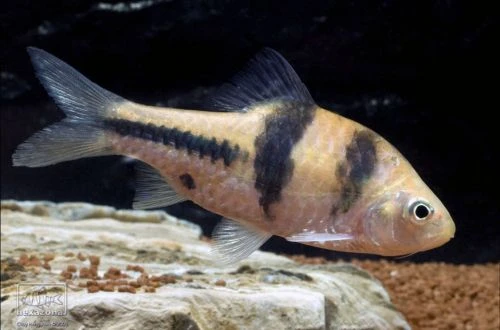
The Cross Barb, scientifically known as Striuntius lateristriga, belongs to the carp family (Cyprinidae). This active schooling fish reaches significant size and is constantly in motion. The only significant limitation for keeping this species is the need for a spacious aquarium, which is due to the size of adult specimens.
This fish grows up to 15 cm in length. Females are distinguished by a more massive physique compared to the more slender males. The main light body coloration is adorned with a characteristic pattern of several vertical and one horizontal stripe, forming a silhouette resembling a cross. With age, this pattern becomes less pronounced.
The natural habitats of this species span Southeast Asia: southern Thailand, Peninsular Malaysia, Sumatra and Java, as well as smaller islands in the South China Sea. Cross Barbs prefer clean forest streams and are often found in small bodies of water formed at the foot of waterfalls. The substrate in such places usually consists of smooth stones, boulders, coarse sand or gravel, with abundant aquatic vegetation and many woody debris — roots, branches, and snags. This species has also been found in peat bogs, where the water acquires a rich dark brown hue due to the high concentration of tannins, resembling strong tea.
The Cross Barb is known for its high activity and can cause discomfort to more peaceful tank mates. This species is compatible only with large and robust fish of similar sizes. It is important to keep these barbs in a school of at least 6 individuals, as aggression may occur with fewer numbers. A lack of free space in a small aquarium can also provoke intolerance towards other fish, especially concerning males.
Optimal keeping conditions are achieved in a large aquarium, the design of which mimics the natural habitat of the Cross Barb. This implies a rocky substrate, areas with dense vegetation, and various shelters created from large snags, roots, and tree branches. Permissible water parameters range from slightly acidic to neutral values with low mineralization. More detailed information on pH and dGH values, as well as methods for changing them, can be found in the "Water Hydrochemical Composition" section. A standard set of equipment includes filtration, aeration, heating, and lighting systems. Since fish are sensitive to water quality and organic waste levels, installing a powerful filter and weekly water changes of 30–50% of the volume are mandatory conditions for successful keeping. In addition, filters help create the necessary internal current.
In the wild, the diet of Cross Barbs is very diverse and includes all available food items: diatoms, organic detritus, small invertebrates such as insects, worms, crustaceans, and other zooplankton. In a home aquarium, their diet should be balanced and include live or frozen foods (bloodworms, daphnia, brine shrimp) as a base, as well as dry foods (flakes, granules) with vegetable additives. Feeding is recommended 2–3 times a day, giving an amount of food that the fish can eat in five minutes. Uneaten leftovers should be promptly removed from the aquarium.
These fish can breed directly in a community tank, without creating any special conditions. However, in such a case, the survival rate of the fry will be extremely low, as parents tend to eat both eggs and newly hatched young. To achieve high breeding results, it is recommended to use a separate spawning tank of medium size, 50–60 liters. Coarse gravel or decorative balls with a diameter of 1 cm or more can be used as a substrate. Barbs scatter their eggs in the water column, and when they fall onto such a substrate, the eggs roll between the elements, becoming inaccessible to adult fish. Fine-mesh netting placed on the bottom or dense thickets of low herbaceous plants can serve as additional protection. The choice of the appropriate method is up to the aquarist. Equipment will require a simple sponge filter, heater, and aerator; a lighting system is not mandatory, natural room light is sufficient. Water parameters such as pH, dGH, and temperature must exactly match the water parameters of the main aquarium. The breeding season for this species is not tied to a specific time of year, so one should focus on external signs. If a female or several females become noticeably rounded, and males display brighter coloration, this indicates readiness for spawning. Future breeders are then transferred to a separate spawning tank, and egg-laying is awaited. During this period, it is advisable to feed the fish predominantly meaty foods, remove organic waste daily, and perform water changes. After egg-laying, adult fish are returned to the community tank; fry hatch after 24–36 hours and begin actively swimming in search of food on the third day. They can be fed specialized fry foods from pet stores or microorganisms such as Artemia nauplii, infusoria, and others.
The Cross Barb is distinguished by its hardiness and unpretentiousness. Health problems in the vast majority of cases arise due to unsuitable or unsatisfactory keeping conditions. An aquarium with an established biological system serves as the best prevention for any fish diseases.
When selecting a Cross Barb in a store, attention should be paid to the activity and appearance of the individuals. A healthy fish should show curiosity, actively swim in the water column, and not show signs of apathy or constant presence at the surface. It is important to ensure that the fish do not have visible damage, such as ulcers, white spots on the body, ruffled scales, or an unnaturally swollen abdomen, which may indicate infectious diseases or internal parasites. — avoid purchasing individuals that stay separate from the school or have damaged fins — check the water clarity in the aquarium, as this species is sensitive to water quality and oxygen levels — prefer fish with a clear pattern and bright eyes, without cloudiness in the eyes Keep in mind that the Cross Barb is a schooling species, so it is recommended to purchase a group of 5–8 individuals at once. When purchasing, clarify the conditions in which the fish were kept, as an abrupt change in water parameters can negatively affect their adaptation.
The essentials: size, tank volume, water parameters and care
An adult reaches 15 cm in length. Plan the tank around the maximum size: the fish quickly outgrows a cramped setup.
The recommended volume is 300 L. A smaller tank speeds up nitrate build-up and raises stress levels.
Temperature 22–24 °C, pH 6–7, hardness 1–10 dGH. Stability matters more than exact values: sudden swings are harder on the fish than a small deviation from the ideal.
Around 8 years when kept properly. Lifespan depends directly on tank volume, water quality and a varied diet.
Temperament: peaceful, active/mobile. Keep this in mind when choosing tank mates.
Recommended setup: small group (5–6 individuals). Ignoring this is a common cause of stress and disease.
Diet type: any (universal). Feed small portions that are finished within a couple of minutes — overfeeding does more harm than underfeeding.
The scientific name of the species is Striuntius lateristriga, family Cyprinids (Cyprinidae). It also appears in the literature as: Barbus lateristriga, Barbus zelleri, Striuntius lateristriga.
The water suits 196 of 208 plants in the catalogue — the easiest ones are shown first.
Afzelius's AnubiasAnacharisAnubiasBrazilian PennywortDwarf CloverDwarf CloverDwarf HygrophilaDwarf SagittariaDwarf ValGuppy GrassHornwortJava FernJava MossMoneywortMud SwordNarrow Leaf AnacharisNarrow-leaf CloverStringy MossSüsswassertangTaiwan MossTape GrassTemple PlantUssuri WatermilfoilWater Wisteria
Matched by family, categories and overlapping keeping conditions
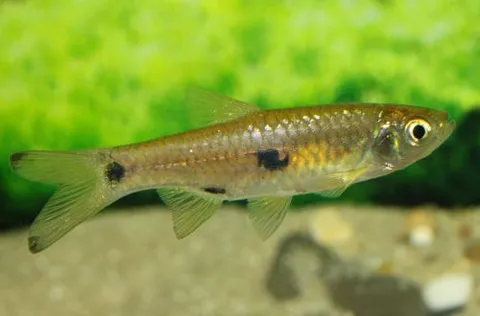
Rasbora elegans
Rasbora elegans, or the Elegant Rasbora, belongs to the family Cyprinidae. This fish is characterized by an active, peaceful disposition and good hardiness, successfully adapting to various conditions. Despite its…
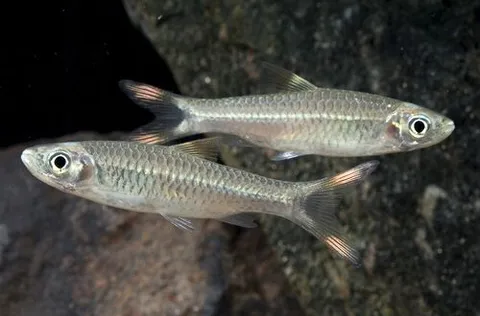
Rasbora caudimaculata
Rasbora caudimaculata, known as the Scissortail Rasbora, belongs to the family Cyprinidae. It is an active, schooling fish of medium size. Although its coloration is not particularly bright, it compensates for this with…
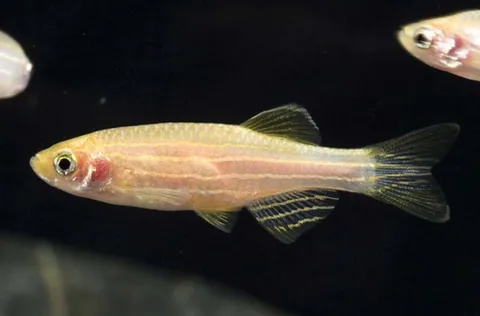
Danio rerio
The Albino Zebra Danio, scientifically known as Danio rerio, is a member of the Cyprinidae family. This fish is a natural morphological form of the Zebra Danio and is found in the wild. Its key difference from its…
Danio rerio
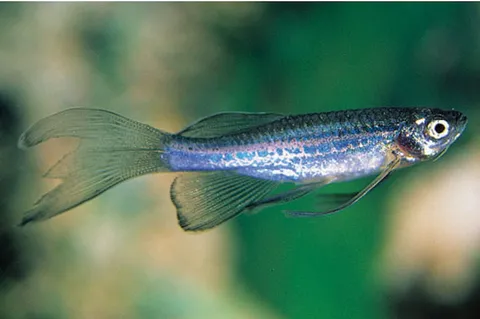
The Blue Danio, known by its scientific name Danio rerio, belongs to the carp family (Cyprinidae). This variation of the classic Danio rerio stands out for its silvery-blue coloration, consisting of numerous small…