Temperature23 – 28 °C
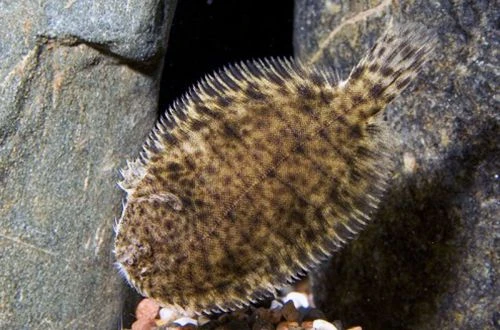
Brachirus panoides, or the freshwater flounder, belongs to the family Soleidae. This species stands out with its unique appearance, which is hard to confuse with others. Although caring for this fish is considered straightforward, its feeding can pose difficulties, making it not the best choice for beginner aquarists.
Adults can reach up to 20 cm in length. The fish's body has an oval, disc-like shape, characteristic of flounders. They move sideways, using wave-like motions of their long dorsal and anal fins, which extend from head to tail. The coloration is usually grey-brown, with dark spots and speckles. Thanks to this protective coloration, the fish, which spends much time on the bottom, burrowing into sand or mud, becomes almost invisible.
This fish originates from the waters of Southeast Asia, where its range extends from Thailand to the coasts of Indonesia. It prefers to inhabit the lower reaches of rivers and estuaries—places where rivers merge with the ocean. It is most often found on sandy or silty bottoms, where it thrives in both fresh and brackish water.
This peaceful fish is compatible with other non-aggressive species that are large enough not to become prey for the flounder. Excellent tankmates would be fish that inhabit the water column or surface. It is recommended to avoid adding loaches and catfish. Freshwater flounders can be kept individually or in groups.
For comfortable keeping of this freshwater flounder, an aquarium of at least 200 liters is required. Special attention should be paid to the choice of substrate, which should consist of fine gravel or sand. This will allow the fish to burrow into it when necessary. Other decor elements, such as driftwood, are perfectly acceptable, but they are best placed along the walls, leaving ample open areas of the bottom. Caring for freshwater flounders is quite simple. A key condition is maintaining stable water parameters and a certain level of salinity, avoiding sharp fluctuations. High water quality is ensured by weekly water changes of 25–50% of the volume, as well as regular aquarium cleaning and the use of an efficient filtration system. The optimal salt concentration is 5–8 grams per 1 liter of water. Since this fish is sensitive to the level of dissolved oxygen, additional air stone diffusers are recommended.
In their natural habitat, they feed on various benthic invertebrates, primarily at night. In aquarium conditions, freshwater flounders accept fresh or frozen foods, such as bloodworms, brine shrimp, pieces of shrimp, mollusks, and earthworms. It is important to organize feeding late in the evening, after the lights are turned off, so that other aquarium inhabitants do not eat the food. Since the freshwater flounder is sluggish, food must be placed directly in front of it, otherwise the fish may go without food.
Reliable information on the breeding of Brachirus panoides in aquarium conditions is not available. Mention is made only of the participation of state fish farming centers in reproduction programs for this species, but detailed methodologies are not described. Given that the fish often inhabits estuaries and brackish waters, successful captive breeding may require specific conditions related to changes in water salinity to stimulate spawning.
Diseases in fish most often arise due to unsuitable keeping conditions. For example, sharp or large substrate particles can cause injuries, irregular feeding leads to starvation, and prolonged exposure to water with unsuitable pH and dGH parameters weakens the immune system. All of this creates conditions for the development of infections caused by pathogenic bacteria, fungi, or parasites. Sometimes creating optimal conditions can help the fish cope with the ailment on its own, but in advanced cases, targeted medicinal treatment will be required.
When choosing a freshwater flounder, attention should be paid to the condition of the skin and the behavior of the fish. A healthy individual should actively burrow into the substrate, rather than clinging to the aquarium glass, which often indicates stress or poor health. There should be no visible damage, ulcers, white film, or signs of emaciation on the body. — avoid buying fish with sunken bellies, as this indicates internal diseases or prolonged refusal to eat; — assess the fish's activity in the evening, when it is most active and prone to foraging; — ask the seller what the fish eats, as acclimating it to artificial foods can be difficult.
The essentials: size, tank volume, water parameters and care
An adult reaches 20 cm in length. Plan the tank around the maximum size: the fish quickly outgrows a cramped setup.
The recommended volume is 200 L. A smaller tank speeds up nitrate build-up and raises stress levels.
Temperature 23–28 °C, pH 7–8, hardness 10–20 dGH. Stability matters more than exact values: sudden swings are harder on the fish than a small deviation from the ideal.
Around 15 years when kept properly. Lifespan depends directly on tank volume, water quality and a varied diet.
Temperament: peaceful (regular). Keep this in mind when choosing tank mates.
Recommended setup: both solitary and in group (flexible). Ignoring this is a common cause of stress and disease.
Diet type: sinking (meat / protein). Feed small portions that are finished within a couple of minutes — overfeeding does more harm than underfeeding.
The scientific name of the species is Brachirus panoides, family Soleidae. It also appears in the literature as: Euryglossa panoides, Synaptura panoides.
The water suits 114 of 208 plants in the catalogue — the easiest ones are shown first.
African Onion PlantAfzelius's AnubiasAmazon FrogbitAmazon SwordAnacharisAnubiasArrowhead CryptDwarf CloverDwarf CloverDwarf HygrophilaDwarf SagittariaDwarf ValGuppy GrassHornwortJava MossMoneywortMud SwordNair's LagenandraNarrow Leaf AnacharisNarrow-leaf CloverStringy MossTaiwan MossTape GrassUssuri Watermilfoil
Matched by family, categories and overlapping keeping conditions
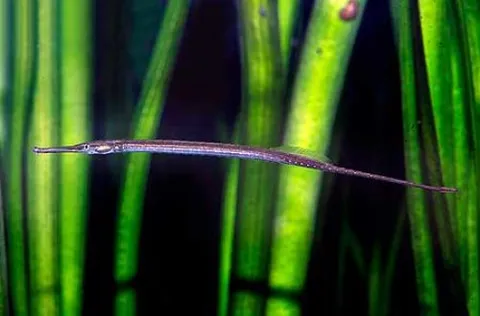
Microphis lineatus
Microphis lineatus, known as the Banded Pipefish, belongs to the family Syngnathidae. This species inhabits the coastal tropical waters of the American continent. It can be found in fresh, brackish, and marine waters…
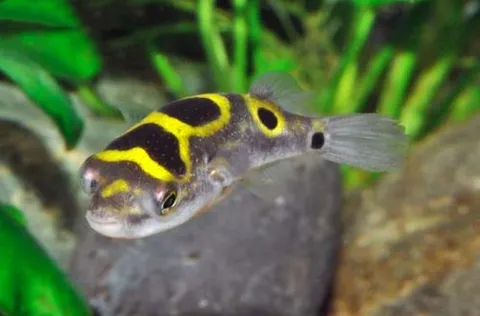
Dichotomyctere ocellatus
The Figure Eight Puffer, scientifically known as Dichotomyctere ocellatus, belongs to the family Tetraodontidae. These fish have earned a reputation as charming creatures due to their large, expressive eyes and…
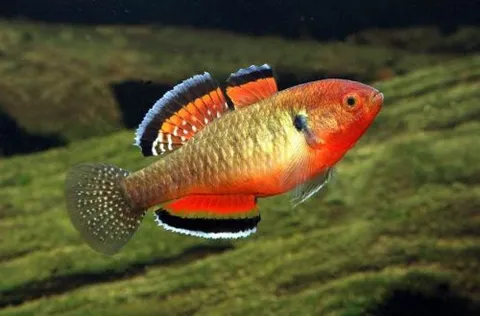
Hypseleotris compressa
The Empire Gudgeon, also known as Hypseleotris compressa, is a member of the Eleotridae family. This vibrant, undemanding fish coexists well with other aquarium inhabitants. The main challenge in its keeping arises from…
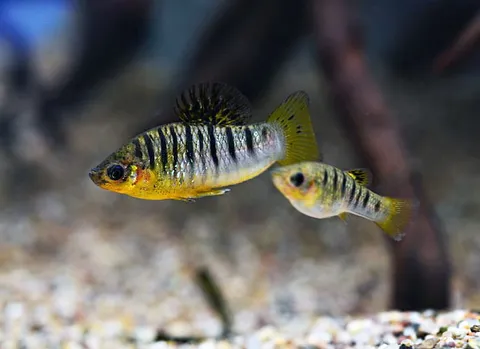
Limia nigrofasciata
Limia nigrofasciata, also known as the blackbanded limia, is part of the Poeciliidae family. This fish is easy to keep and breed in an aquarium and coexists well with various species, making it an excellent choice for…