Temperature20 – 26 °C
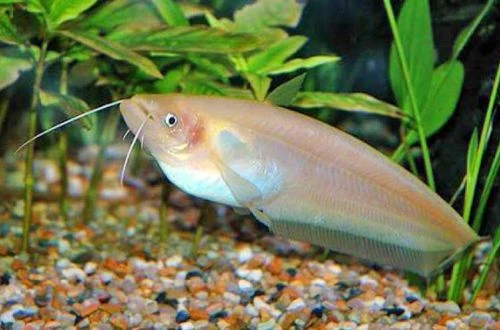
Ompok bimaculatus, or the Two-spot Ompok (also known as the Ompok Catfish), belongs to the family Siluridae — the Sheatfishes. This fish is found in its natural habitat in the waters of South and Southeast Asia, including countries such as Pakistan, India, Bangladesh, and Myanmar. It prefers to live in swampy areas where the water is either stagnant or has a weak current, usually turbid, with heavily silted substrates. It can often be found in rice paddies.
Until the mid-20th century, specifically until 1950, only one species of catfish from the genus Ompok was recognized in the scientific community. Subsequently, the number of described species significantly increased, reaching dozens. However, there is reason to believe that many of these descriptions may be erroneous or represent duplicates of already known species. Nevertheless, this observation does not cast doubt on the existence of several distinct species within this genus. The most recognizable and popular among them is the Two-spot Ompok. It is worth noting that several closely related species or subspecies may also be supplied to the aquarium trade under this commercial name. The maximum length recorded for adult specimens is 45 cm. The catfish's body is laterally compressed. The main coloration is light, often with grey speckles. A characteristic feature is two dark spots, one located on each side. The fins of this fish are short, with the exception of the anal fin, which extends almost the entire length of the body. In its natural habitat regions, the Two-spot Ompok is primarily a commercial fishing target. This fish is highly valued for its tender and oily meat. In Europe and CIS countries, it is sometimes available for sale for keeping in home aquariums.
Ompok inhabits rivers, streams, ponds, and flooded floodplains of South and Southeast Asia, including India, Pakistan, Sri Lanka, Bangladesh, Myanmar, and Thailand. The fish prefers bodies of water with slow to moderate currents and is often found in turbid water with sandy bottoms. During the day, it hides among dense vegetation or snags, showing activity primarily during nighttime hours.
This species is distinguished by its peaceful and calm temperament. It demonstrates a friendly attitude not only towards its own kind but also towards other fish species. It can live equally successfully both alone and in a group.
For the comfortable existence of a single catfish, an aquarium of at least 450–500 liters is recommended. The Two-spot Ompok is not a demanding species and easily adapts to various environmental conditions. This means that there is no need to create any specific or special conditions for its keeping. It is characterized by its hardiness. This species of catfish can withstand significant temperature fluctuations and a wide range of pH and general hardness (GH) values. Its diet includes both plant components and mollusks, as well as crustaceans, making it omnivorous. In aquarium conditions, it readily accepts most common sinking dry foods. Additionally, its menu can include frozen and fresh earthworms, as well as pieces of seafood such as shrimp or mussels, etc.
In its natural environment, it is a predator, feeding on small fish, crustaceans, mollusks, and plant detritus. In aquarium conditions, it accepts a variety of foods, including quality pellets, frozen, and live foods. Regular feeding is recommended, but it should be noted that small tank mates may be perceived as prey.
Breeding in aquarium conditions is extremely difficult and practically unheard of. For scientific and aquaculture purposes in India, hormonal injections have been successfully used to stimulate spawning. Natural reproduction in captivity requires specific conditions that mimic seasonal changes in water parameters and daylight hours; however, reliable methods for amateur keeping are not available.
The species is sensitive to water quality and the accumulation of organic waste, which can lead to skin and fin lesions. Typical catfish diseases, such as Ichthyophthiriasis, where the fish becomes covered in white spots, are characteristic. Regular water changes and powerful filtration are the main methods for preventing bacterial and fungal infections.
When purchasing, choose active specimens without visible fin damage, ulcers, or film on the body. It is important to ensure there are no signs of emaciation and that the fish shows interest in food. It should be noted that other catfish species are often sold under the name Ompok, so it is necessary to pay attention to the head shape and the presence of characteristic black spots at the base of the tail and behind the pectoral fins.
The essentials: size, tank volume, water parameters and care
An adult reaches 45 cm in length. Plan the tank around the maximum size: the fish quickly outgrows a cramped setup.
The recommended volume is 680 L. A smaller tank speeds up nitrate build-up and raises stress levels.
Temperature 20–26 °C, pH 6–8, hardness 4–28 dGH. Stability matters more than exact values: sudden swings are harder on the fish than a small deviation from the ideal.
Around 8 years when kept properly. Lifespan depends directly on tank volume, water quality and a varied diet.
Temperament: semi-peaceful (dangerous to smaller ones). Not a predatory species, but small fish that fit in its mouth will eventually be eaten.
Recommended setup: both solitary and in group (flexible). Ignoring this is a common cause of stress and disease.
Diet type: sinking (any). Feed small portions that are finished within a couple of minutes — overfeeding does more harm than underfeeding.
The scientific name of the species is Ompok bimaculatus, family Sheatfishes (Siluridae). It also appears in the literature as: Callichrous bimaculatus, Callichrous chechra, Callichrous macrophthalmus.
The water suits 197 of 208 plants in the catalogue — the easiest ones are shown first.
Afzelius's AnubiasAnacharisAnubiasBrazilian PennywortDwarf CloverDwarf CloverDwarf HygrophilaDwarf SagittariaDwarf ValGuppy GrassHornwortJava FernJava MossMoneywortMud SwordNair's LagenandraNarrow Leaf AnacharisNarrow-leaf CloverStringy MossSüsswassertangTaiwan MossTape GrassTemple PlantUssuri Watermilfoil
Matched by family, categories and overlapping keeping conditions
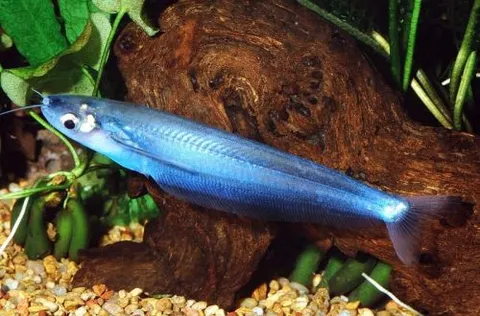
Kryptopterus cryptopterus
The Blue Glass Catfish, also known as the Smoky Glass Catfish (scientific name Kryptopterus cryptopterus), belongs to the family Siluridae. Despite being a miniature predator, it is undemanding to keep and gets along…
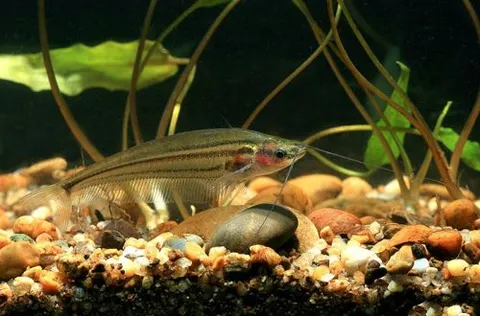
Kryptopterus macrocephalus
The Spotted Glass Catfish, also known as the False Glass Catfish under its scientific name Kryptopterus macrocephalus, belongs to the family Siluridae. This fish is peaceful but at the same time carnivorous. It is quite…
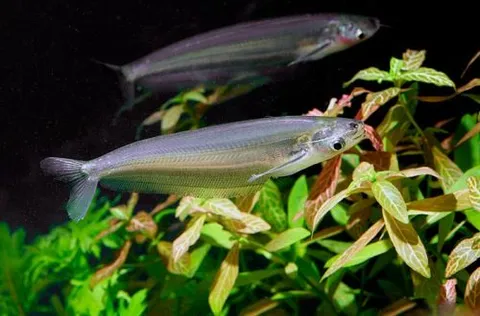
Kryptopterus geminus
Kryptopterus geminus, known as the Glass Catfish Twin, is a representative of the family Siluridae (Catfishes). Its name "twin" is due to its close relationship with another, quite popular species – the Ghost Glass…
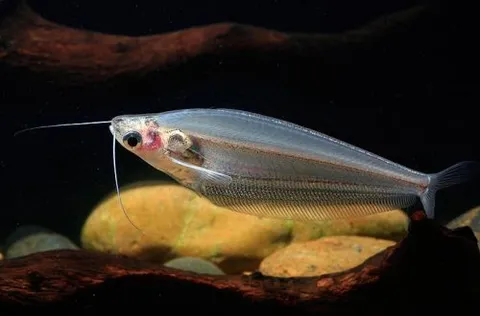
Kryptopterus bicirrhis
Kryptopterus bicirrhis, known as the Two-barbel Indian Glass Catfish, belongs to the family Siluridae (Catfishes). It is not commonly found in aquariums, although the name "glass catfish" is sometimes mistakenly applied…