Temperature22 – 28 °C
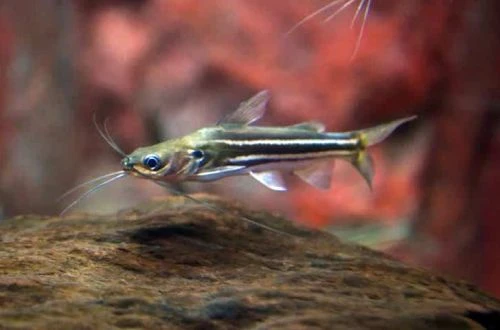
The Striped Mystus, scientifically known as Mystus vittatus, is a member of the Bagridae family. Its habitat range is wide, covering South Asia, including Pakistan, India, Sri Lanka, Nepal, and Bangladesh. This fish can be found in both calm, stagnant waters and actively flowing ones. It prefers areas with coastal vegetation, such as swamps or lakes with abundant silty substrates.
Adults of this catfish can reach a length of up to 21 cm. They are characterized by a slender body with a rather large head. Large eyes and several pairs of long, sensitive barbels help them navigate and find food even in murky waters. One of the most recognizable features of the species is the striped pattern on its body, consisting of 4–5 light horizontal lines.
The Striped Mystus is widespread in the waters of South and Southeast Asia, including Pakistan, India, Sri Lanka, Nepal, and Bangladesh. These fish inhabit both stagnant and flowing waters, preferring areas with muddy bottoms and dense riparian vegetation. In nature, they are often found in swamps, lakes, and coastal river systems, where they lead a predominantly secretive nocturnal lifestyle, hiding in shelters during daylight hours.
Adult Striped Mystus typically prefer a solitary lifestyle. However, since they do not exhibit territorial instincts, keeping them with conspecifics is acceptable in sufficiently spacious aquariums. They also coexist well with many other fish of similar size. Nevertheless, it is worth noting that these catfish are not particularly picky eaters and may pose a threat to smaller tank mates.
For keeping one or two catfish, an aquarium of at least 200–250 liters is recommended. The aquascape should combine open water spaces with hiding areas created from driftwood and dense plant thickets. This species is undemanding and successfully adapts to various conditions, provided that hydrochemical parameters and water temperature are within acceptable limits. The Striped Mystus prefers moderate, subdued lighting. Aquarium maintenance is standard: weekly partial water changes, removal of organic waste, and monitoring of equipment. The fish readily accepts most common foods, whether live, frozen, or dry mixes.
This fish readily accepts most popular foods, whether live, frozen, or dry mixes.
Breeding in aquarium conditions requires creating suitable conditions, including the presence of shelters and a spawning substrate. During the spawning period, fish may produce characteristic sounds using their pectoral fins. The eggs develop quite quickly, and the larvae begin to actively feed on the second day after hatching. For successful rearing of offspring, it is necessary to regularly sort the fry by size to prevent cannibalism, and to provide them with frequent feedings.
The species has moderate disease resistance but is sensitive to abrupt changes in hydrochemical water parameters and the accumulation of organic waste. Like other members of the family, the fish can be susceptible to parasitic invasions typical of freshwater fish in the region. Disease prevention involves maintaining stable water purity, regular filtration and aeration, and providing a balanced diet that excludes overfeeding.
When selecting specimens, attention should be paid to the fish's activity at night, as daytime passivity is normal for this species. Healthy fish should have clean skin without spots, ulcers, or visible damage, as well as tightly clamped fins without signs of erosion. Avoid purchasing specimens with signs of emaciation or an unnaturally bloated abdomen. It is important to note that this catfish is a nocturnal predator and may pose a threat to smaller aquarium inhabitants.
The essentials: size, tank volume, water parameters and care
An adult reaches 21 cm in length. Plan the tank around the maximum size: the fish quickly outgrows a cramped setup.
The recommended volume is 200 L. A smaller tank speeds up nitrate build-up and raises stress levels.
Temperature 22–28 °C, pH 6–7.5, hardness 4–25 dGH. Stability matters more than exact values: sudden swings are harder on the fish than a small deviation from the ideal.
Around 6 years when kept properly. Lifespan depends directly on tank volume, water quality and a varied diet.
Temperament: semi-peaceful (dangerous to smaller ones). Not a predatory species, but small fish that fit in its mouth will eventually be eaten.
Recommended setup: mixed (solitary / pair / group). Ignoring this is a common cause of stress and disease.
Diet type: sinking (any). Feed small portions that are finished within a couple of minutes — overfeeding does more harm than underfeeding.
The scientific name of the species is Mystus vittatus, family Bagridae (naked catfishes). It also appears in the literature as: Aoria vittatus, Bagrus vittatus, Macrones vittatus.
The water suits 197 of 208 plants in the catalogue — the easiest ones are shown first.
Afzelius's AnubiasAnacharisAnubiasBrazilian PennywortDwarf CloverDwarf CloverDwarf HygrophilaDwarf SagittariaDwarf ValGuppy GrassHornwortJava FernJava MossMoneywortMud SwordNair's LagenandraNarrow Leaf AnacharisNarrow-leaf CloverStringy MossSüsswassertangTaiwan MossTape GrassTemple PlantUssuri Watermilfoil
Matched by family, categories and overlapping keeping conditions
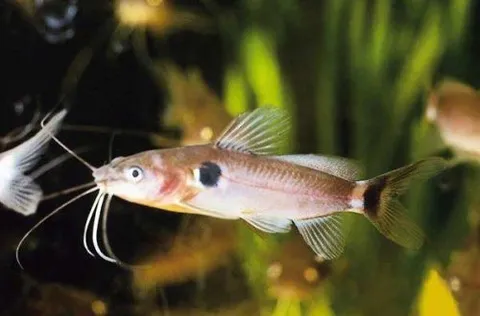
Mystus nigriceps
The Reddish Mystus Catfish, scientifically known as Mystus nigriceps, belongs to the Bagridae family, or naked catfishes. This fish has long been popular with aquarists, although until the 1940s it was often mistakenly…
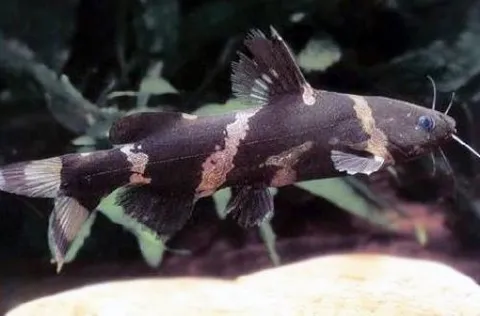
Pseudomystus siamensis
Pseudomystus siamensis, known by the common names Asian Bumblebee Catfish, Siamese Orca Catfish, or simply Siamese Catfish, belongs to the Bagridae family. This small and rather attractive Asian catfish has no special…
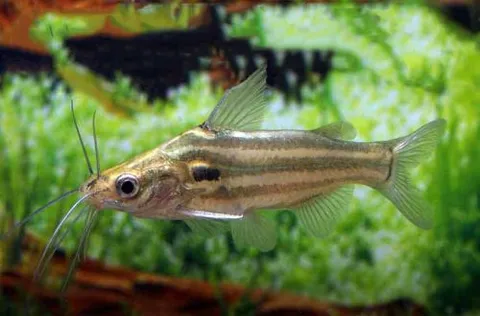
Mystus tengara
Mystus tengara, known by its scientific name, belongs to the Bagridae family (Bagrid Catfishes). This catfish originates from South Asia and can be found in the river systems of Pakistan, India, Nepal, and Bangladesh.
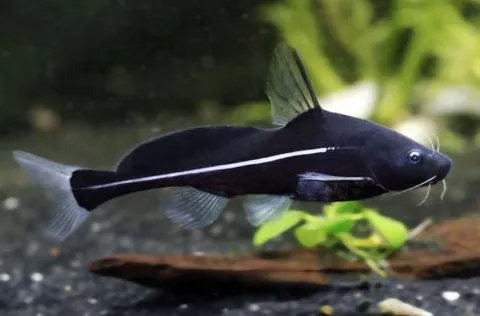
Bagrichthys macracanthus
The Black Lancer Catfish, also known as the Javelin Catfish, bears the scientific name Bagrichthys macracanthus and belongs to the Bagridae family. Its name — “Lancer” — refers to the unusual, lance-like shape of its…