Cichlids (Cichlidae)

Aulonocara Eureka

Aulonocara sp.

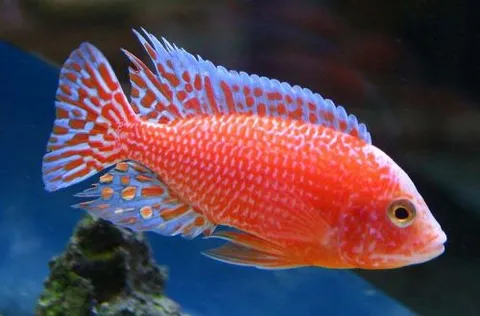
A selective variety of Aulonocara jacobfreibergi is known by the English trade name Aulonocara Eureka. This species is not found in the natural environment. It is still not precisely known where it was bred and who its creator is, but it is assumed that its homeland is Western Europe. These fish were imported into CIS countries at the end of 1992.

Tank
from 200 L (53 gal)
Temperature
25 – 29 °C (77 – 84 °F)
Size in aquarium
17 cm (6.7 in)
Acidity
pH 7.6–9

Tank conditions

Plan the tank stocking
Temperature
25 – 29 °C (77 – 84 °F)
Water pH
Slightly alkaline (7.6) – Alkaline (9)
Water dH
Medium hardness (10) – Very hard (25)
Water salinity
no salt (freshwater)
Size in aquarium
17 cm (6.7 in)
Lifespan
10 years
Temperament
Semi-peaceful including aggression during spawning / intraspecific conflicts
Toward small fish
not a predator
Required aquarium volume
from 200 L (53 gal)
Lighting
moderate (regular)
Substrate
sandy (regular, light)
Water flow
weak
Swimming level
near the bottom
Feeding
Mixed diet meat + plant-based
Keeping
Harem 1 male and several females
  • Lifespan. A lifespan to expect under good care, not a measured value: it depends heavily on tank volume, water quality and diet — and for selectively bred forms, on their origin as well.
  • Toward small fish. Based on the Predators category in the catalog or the temperament in the species parameters. “A risk to small fish” means the species is not a predator by habit, yet will swallow any fish that fits in its mouth.
  • Required aquarium volume. This is a husbandry recommendation, not a measured value: the volume depends on the keeping mode (harem (1 male and several females)), footprint, decor and tank mates.

Care and keeping

Description

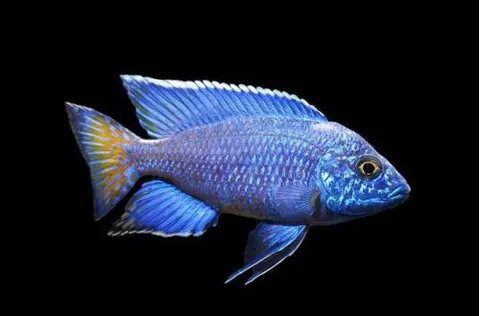
The fish inherited key morphological features from its wild ancestors, such as size and fin shape. Adult males can reach 17 cm or more in length, while females remain somewhat smaller and less brightly colored. It should be noted that maximum dimensions can vary depending on the quality of nutrition and keeping conditions; thus, in small aquariums, fish often grow only to 13–15 cm. The main feature of this variety is the presence of red tones in the coloration of males, which are represented by yellow and orange hues in Aulonocara jacobfreibergi males. The body pattern remains identical, including vertical dark stripes.

Habitat

Aulonocara Eureka is a selective form bred in captivity, so it is not found in its natural habitat. Its ancestors — representatives of the genus Aulonocara — are endemic to Lake Malawi in East Africa. In nature, these fish primarily inhabit sandy shoals and coastal areas with rock formations, where they hunt small invertebrates by sifting through the substrate or tracking prey in the water column. The water in their biotope is characterized by consistently high pH values (7.8–8.5) and general hardness.

Behavior and Compatibility

Aulonocara Eureka are considered relatively peaceful representatives of Malawian cichlids. They can coexist harmoniously with conspecifics, as well as with other closely related Aulonocara and Utaka species. When kept in very large aquariums, from 1000 L, their cohabitation with even more aggressive Mbuna is possible. However, in small tanks, up to 200 L, it is recommended to maintain a group with a predominance of females. In confined spaces, males may exhibit territorial behavior due to a lack of personal space.

Care and Maintenance

The optimal aquarium volume for a group of 3–5 individuals starts from 200–300 L. Given their feeding behavior, it is recommended to use sand as a substrate. For decorating the aquarium, accumulations of stones, boulders, and rock formations are perfect, from which various shelters — grottoes, crevices, caves — can be created. Although aquatic plants are not mandatory, if desired, species that can adapt to an alkaline environment and have a reliable root system can be chosen, which will prevent their accidental uprooting during the feeding of Aulonocara Eureka. For successful long-term keeping, it is critically important to ensure and maintain a stable hydrochemical composition of the water with high pH and dGH values. Regular aquarium maintenance includes weekly partial water changes and the removal of accumulated organic waste (food remains, excrement). Often these procedures are combined, cleaning the substrate with a siphon and then adding fresh water.
Diet

These fish demonstrate flexibility in their feeding approaches. Wild ancestors can both hunt small zooplankton in the water column and sift through the substrate with their mouths in search of the smallest organisms hiding there. In a home aquarium, Aulonocara Eureka readily accept most common sinking foods: flakes, granules, as well as live or frozen invertebrates such as bloodworms, daphnia, and artemia.

Breeding and Reproduction

The breeding process for this fish does not differ from that of Aulonocara jacobfreibergi. Despite its selective origin, the "Eureka" variety is stable, and its red color characteristics are successfully passed on to the offspring.

Diseases

In most cases, diseases in these fish are caused by external factors. If an individual lives in unsuitable conditions, is attacked by tankmates in an overcrowded aquarium, or suffers from a lack of food, the risk of disease increases significantly. Conversely, being in a favorable environment minimizes the likelihood of disease.

How to choose

When purchasing, choose active fish with clean scales without visible damage, ulcers, or white film. A healthy individual should show interest in food and demonstrate natural behavior, not constantly hiding in the corners of the aquarium. It is important to avoid individuals with sunken bellies or signs of emaciation, which may indicate digestive problems or the presence of internal parasites. It is recommended to acquire fish raised in local conditions, as they adapt more easily to the water parameters in a home aquarium.

Compatibility

There are no pair reviews for this species yet — check tankmates in the matcher.

All tankmates

Plants and this fish

Matching water does not mean the plant will stay intact.

Frequently asked questions

The essentials: size, tank volume, water parameters and care

How big does Aulonocara Eureka get?

An adult reaches 17 cm in length. Plan the tank around the maximum size: the fish quickly outgrows a cramped setup.

What size aquarium does Aulonocara Eureka need?

The recommended volume is 200 L. A smaller tank speeds up nitrate build-up and raises stress levels.

What water parameters does Aulonocara Eureka need?

Temperature 25–29 °C, pH 7.6–9, hardness 10–25 dGH. Stability matters more than exact values: sudden swings are harder on the fish than a small deviation from the ideal.

How long does Aulonocara Eureka live?

Around 10 years when kept properly. Lifespan depends directly on tank volume, water quality and a varied diet.

Is Aulonocara Eureka aggressive?

Temperament: semi-peaceful (including aggression during spawning / intraspecific conflicts). Keep this in mind when choosing tank mates.

How many Aulonocara Eureka should be kept together?

Recommended setup: harem (1 male and several females). Ignoring this is a common cause of stress and disease.

What does Aulonocara Eureka eat?

Diet type: mixed diet (meat + plant-based). Feed small portions that are finished within a couple of minutes — overfeeding does more harm than underfeeding.

What is the scientific name of Aulonocara Eureka?

The scientific name of the species is Aulonocara sp., family Cichlids (Cichlidae).

Similar fishes

Matched by family, categories and overlapping keeping conditions

Aulonocara multicolor

Aulonocara multicolor

Aulonocara sp.

Cichlids (Cichlidae)

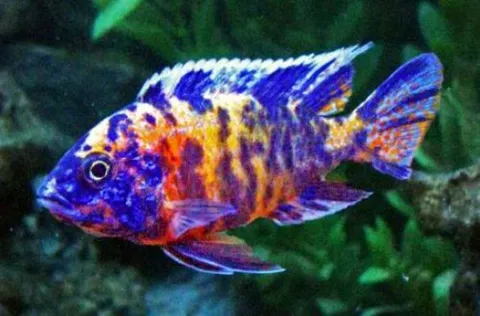
Aulonocara multicolor, also known by the trade English name Orange blotched (OB) Peacock cichlid, is a hybrid. It was obtained through the selective breeding of several Aulonocara species and artificial cross-breeding…

Aulonocara baenschi

Aulonocara baenschi

Aulonocara baenschi

Cichlids (Cichlidae)

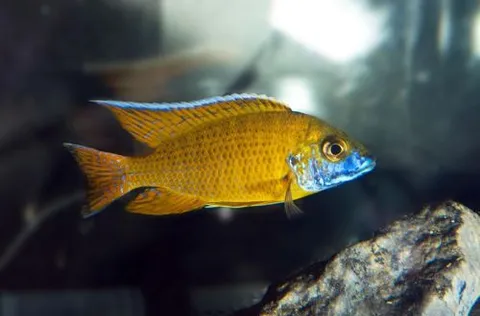
Aulonocara baenschi, also known as the Yellow Peacock Cichlid, belongs to the family Cichlidae. This species is endemic to East Africa's Lake Malawi, preferring to inhabit primarily the so-called intermediate zones of…

Aulonocara Orchid

Aulonocara Orchid

Aulonocara hybrid

Cichlids (Cichlidae)

Aulonocara Orchid Red (Red) is also known as Aulonocara Strawberry and Aulonocara Dragon. These names are calques from the English commercial names Aulonocara Dragon Blood and Aulonocara Strawberry.

Aulonocara stuartgranti

Aulonocara stuartgranti

Aulonocara stuartgranti

Cichlids (Cichlidae)

Aulonocara stuartgranti, also known as Stuartgranti Aulonocara or the Regal Peacock Cichlid, has the scientific name Aulonocara stuartgranti and belongs to the family Cichlidae. This fish is endemic to Lake Malawi in…

Other scientific names and conservation status

Categories
Cichlids