Temperature20 – 30 °C
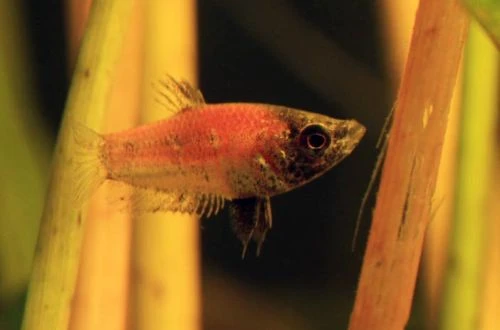
The scientific name Parasphaerichthys lineatus belongs to the family Osphronemidae, and this species is known as the False Chocolate Gourami. This fish is modest in size, does not stand out with a bright appearance, and is considered quite demanding to keep. These characteristics largely explain its low popularity among amateur aquarists.
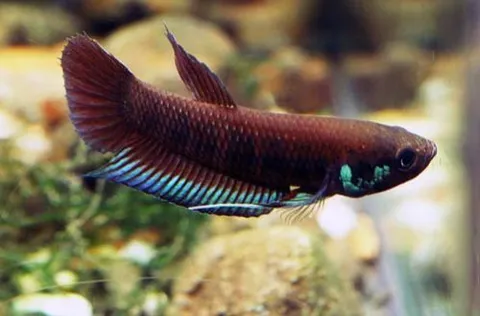
Despite its name, this gourami species does not bear significant resemblance to the Chocolate Gourami. Adults reach only 2 cm in length, are characterized by a high body and a large head. Their coloration is gray with a dark pattern, and during the breeding season, males acquire orange hues. The fins and caudal fin are translucent, with small black speckles.
Its natural habitat is located in the southern part of Burma (Myanmar), in Southeast Asia. The False Chocolate Gourami inhabits the marshy areas of the Irrawaddy River delta. A typical biotope is a shallow body of water about a meter deep, where the bottom is covered with a thick layer of silt, and the water is murky due to the abundance of organic suspension and dense aquatic vegetation. It is important to note that the powerful Cyclone Nargis, which struck the coastal regions of Myanmar (Ayeyarwady Region) in 2008, caused massive changes, disrupting the established biological systems of this area.
These peaceful fish feel comfortable in a group of at least 6 individuals. Given their modest size, the selection of tank mates should be approached with particular caution. Peaceful fish of similar size are suitable as compatible species.
For a small group of these fish, an aquarium of 40 liters or more is recommended. In terms of decor, a soft substrate is preferred, although gravel is also suitable. It is important to have many plants, including floating ones, which will diffuse the light. Various snags and leaf litter are also recommended. Pre-soaked dried leaves of certain trees will give the aquarium a more natural look, as they are an integral part of their natural biotope. It is extremely important to maintain stable water parameters in the aquarium, strictly adhering to the permissible ranges of temperature and hydrochemical indicators. This requires regular maintenance procedures, such as waste removal and partial water changes, as well as the installation of appropriate equipment, primarily a reliable filtration system. The recommended temperature regime ranges from 20 to 30°C. However, to simulate the winter period, the temperature should not exceed 20–22°C for several months each year. Neglecting this seasonal cycle can negatively affect the lifespan of the fish and their reproductive capacity.
In the wild, their diet consists primarily of zooplankton, including insects, their larvae, as well as small crustaceans and mollusks. In the aquarium, the fish can be accustomed to alternative types of food, including dry foods. However, the most preferred diet remains live and frozen foods, such as Artemia, Daphnia, bloodworms, mosquito larvae, and Drosophila flies.
The breeding strategy of these fish is variable and adapts to external conditions. As mentioned, the mating period in males is easily identified by their orange coloration. If only one heterosexual pair is kept in the aquarium, the male will not approach the female until she is ready to spawn. In the case of group keeping, the male forms a temporary pair with only one female; the mechanism of this choice is still not fully understood. The fish can lay eggs in two ways: either they build a bubble nest on the surface or in a secluded spot, or they lay eggs directly on the substrate in a small pit. The parents remain near the clutch, guarding it until the fry appear, and sometimes may even move the eggs to another location. The fry begin to hatch after 3–5 days, and they will spend another 7–10 days in the nest before they start swimming freely.
Most often, diseases are caused by unsuitable keeping conditions. Maintaining a stable environment in the aquarium is a key factor for successful keeping. If any symptoms of illness appear, the first step is to check the water quality. If deviations are found, measures should be taken immediately to correct them. If symptoms persist or even worsen, medicinal treatment will be required.
When purchasing, choose individuals with clean fins and no visible damage, ulcers, or white film on the body. It is important to assess the activity of the fish: healthy specimens show curiosity and do not appear apathetic, lying at the bottom or near the water surface. Given the secretive nature of the species, they may be shy in the store, but refusal to eat or heavy breathing are alarming signs. It is recommended to purchase a group of 6 or more individuals, as they experience severe stress when alone.
The essentials: size, tank volume, water parameters and care
An adult reaches 1.5–1.9 cm in length. Plan the tank around the maximum size: the fish quickly outgrows a cramped setup.
The recommended volume is 40 L. A smaller tank speeds up nitrate build-up and raises stress levels.
Temperature 20–30 °C, pH 6.5–8, hardness 2–15 dGH. Stability matters more than exact values: sudden swings are harder on the fish than a small deviation from the ideal.
Around 2 years when kept properly. Lifespan depends directly on tank volume, water quality and a varied diet.
Temperament: peaceful (regular). Keep this in mind when choosing tank mates.
Recommended setup: both solitary and in group (flexible). Ignoring this is a common cause of stress and disease.
Diet type: any (universal). Feed small portions that are finished within a couple of minutes — overfeeding does more harm than underfeeding.
The scientific name of the species is Parasphaerichthys lineatus, family Osphronemidae.
The water suits 197 of 208 plants in the catalogue — the easiest ones are shown first.
Afzelius's AnubiasAnacharisAnubiasBrazilian PennywortDwarf CloverDwarf CloverDwarf HygrophilaDwarf SagittariaDwarf ValGuppy GrassHornwortJava FernJava MossMoneywortMud SwordNair's LagenandraNarrow Leaf AnacharisNarrow-leaf CloverStringy MossSüsswassertangTaiwan MossTape GrassTemple PlantUssuri Watermilfoil
Matched by family, categories and overlapping keeping conditions
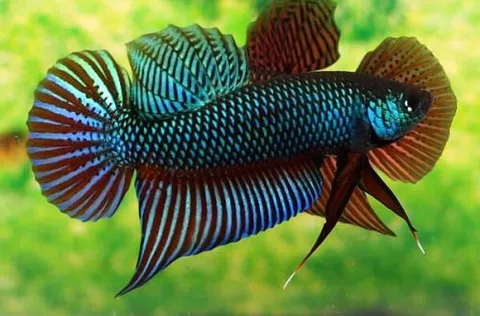
Betta mahachaiensis
Betta mahachaiensis, or Mahachai Betta, belongs to the family Osphronemidae and is a very unusual representative of the fighting fish. Its peculiarity lies in its ability to inhabit brackish waters, which makes its care…
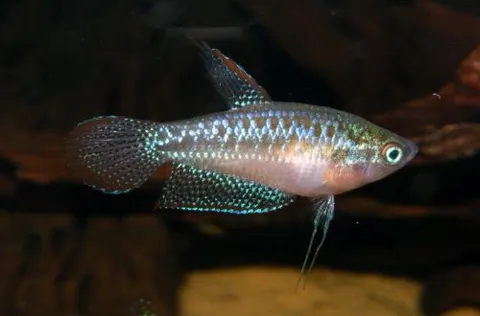
Trichopsis pumila
The Dwarf Gourami, or Pumila, known scientifically as Trichopsis pumila, is a member of the Osphronemidae family. This aquarium fish is popular due to its interesting coloration, as well as its ease of care and…
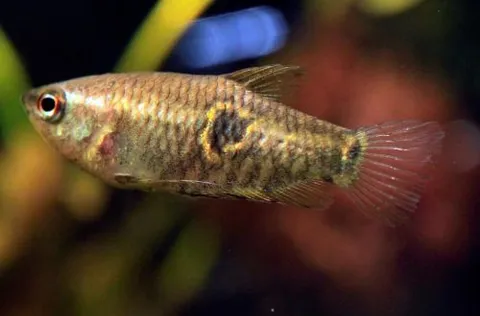
Parasphaerichthys ocellatus
The Ocellated Gourami, also known as Parasphaerichthys ocellatus, belongs to the family Osphronemidae. Among aquarists, it is sometimes called the Dwarf or Burmese Chocolate Gourami. This species is considered…
Betta krataios
Betta krataios, or Krataios Betta, is classified as a member of the family Osphronemidae and bears the scientific name Betta krataios. This species belongs to the group of Fighting Fish, however, its temperament and…