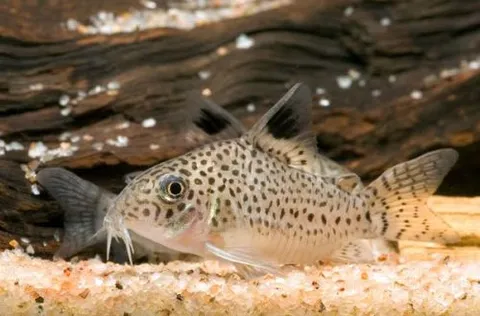
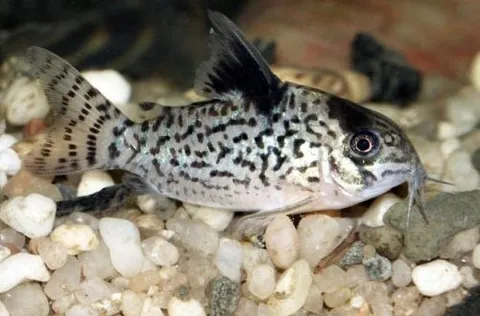
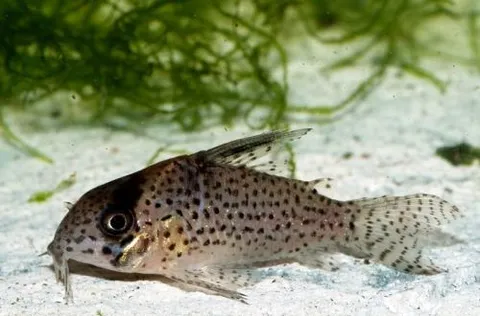
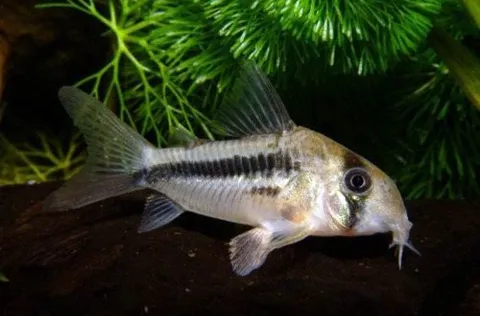
Keeping these fish is not particularly difficult. They require a soft, slightly acidic water environment and a varied and balanced diet. It is important to avoid cohabitation with aggressive fish species. For a group of 4–6 individuals, an aquarium of at least 80 liters will be optimal. For decor, sandy or fine gravel substrate is preferred. Also use various shelters: driftwood, dense plant thickets, or other natural or artificial decorative elements. Experienced aquarists often add dried leaves from certain tree species to the aquarium, which not only gives the decor a more natural look but also positively affects the water's chemical composition, bringing it closer to the fish's natural habitat conditions. As they decompose, the leaves release tannins. Weekly partial water changes with fresh water are required, maintaining the same pH and dGH values, and removing accumulating organic waste such as food particles and excrement. Regarding feeding, these fish are omnivores. Over many generations of life in artificial conditions, Corydoras duplicareus has adapted well to consuming dry foods, presented as flakes, granules, tablets, or gels. It is recommended to supplement their diet with live or frozen foods such as brine shrimp, daphnia, bloodworms, and others. As for behavior and compatibility, these are peaceful and social fish that thrive in the company of other calm and non-aggressive species of comparable size. Other Corydoras species can be good tank mates, but it should be remembered that closely related species, such as Corydoras adolfoi, Corydoras sanda, Corydoras burgessi, and others, can potentially interbreed and produce hybrid offspring.