Temperature20 – 25 °C
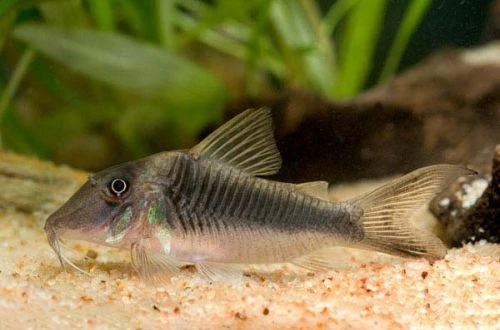
Corydoras treitlii, scientifically known as Corydoras treitlii, is a representative of the Callichthyidae family, also known as Armored Catfishes. This fish comes from the coastal drainages of north-eastern Brazil, in particular the Parnaíba basin.
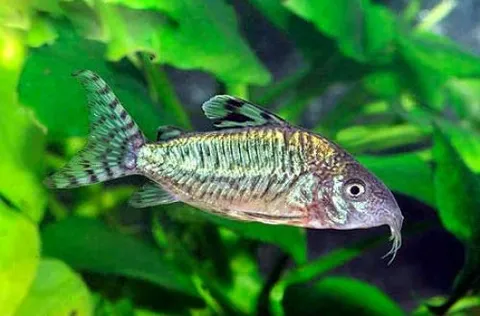
Adult specimens of this catfish typically reach a length of about 6 cm. Their body shape is typical for all Corydoras: it is robust and stocky, with a characteristic high back. Rows of bony plates and sharp spines, which are thickened first rays of the fins, provide protection. A distinctive feature of their appearance is a somewhat elongated snout. A similar characteristic is also observed in closely related species such as Corydoras acutus, Corydoras blochi, and Corydoras semiaquilus. The overall appearance of the fish is generally not brightly colored. The main coloration is dark gray, with transparent fins and a lighter belly.
This species inhabits freshwater rivers and tributaries in the northeastern part of Brazil, particularly in the Parnaíba River basin. They prefer areas of water bodies with soft or sandy substrate, which is essential for protecting their sensitive barbels. In nature, the water in these areas is usually soft and slightly acidic, and the fish stay in the bottom layers of the water.
This species of catfish is characterized by a peaceful and docile nature. They are compatible with both their own kind and other non-aggressive fish of comparable size. For comfortable existence, they need the presence of a group of their own kind; a school of 4 or more individuals is considered optimal. It is recommended to avoid cohabitation with territorial bottom-dwelling species.
Even a small group of Corydoras treitlii will feel comfortable in an aquarium with a volume of 80 liters or more. When setting up the tank, it is important to provide a sufficient number of hiding places. This role can be fulfilled by both natural and artificial decor elements, such as driftwood or dense plant thickets. Since these catfishes like to dig in the substrate, the presence of a soft substrate is a mandatory condition for their keeping. As for water parameters, this species shows wide adaptability: it can live in both soft acidic and hard slightly alkaline environments. Such plasticity significantly simplifies long-term keeping.
Corydoras treitlii is an omnivorous species. In the aquarium, it is recommended to use high-quality dry foods in the form of sinking tablets or granules designed for bottom-dwelling fish. The diet should be supplemented with live or frozen foods, such as bloodworms, daphnia, or tubifex, which helps maintain the fish's activity and health.
Reproduction occurs through spawning. In aquarium conditions, the process is considered complex and requires the creation of specific conditions that mimic seasonal changes, for example, by replacing part of the water with cooler water. The female lays 80 to 120 eggs on the substrate or plants. After spawning, it is recommended to remove the parents to prevent them from eating the eggs.
The species has a strong immune system if water parameters and substrate cleanliness are maintained. The main danger is damage to the delicate barbels when using sharp gravel or contaminated substrate, which can lead to infections. Prevention includes maintaining aquarium hygiene, regular siphoning of the bottom, and using soft sand as a substrate.
When selecting individuals, attention should be paid to the activity of the fish: healthy Corydoras should show interest in foraging at the bottom. It is important to check the integrity of the fins and the absence of wounds or ulcers on the body. The barbels should be long, straight, and without signs of erosion. It is not recommended to purchase fish with sunken bellies or signs of apathy, as this may indicate emaciation or hidden diseases.
The essentials: size, tank volume, water parameters and care
An adult reaches 6 cm in length. Plan the tank around the maximum size: the fish quickly outgrows a cramped setup.
The recommended volume is 80 L. A smaller tank speeds up nitrate build-up and raises stress levels.
Temperature 20–25 °C, pH 6–8, hardness 2–25 dGH. Stability matters more than exact values: sudden swings are harder on the fish than a small deviation from the ideal.
Around 5 years when kept properly. Lifespan depends directly on tank volume, water quality and a varied diet.
Temperament: peaceful (regular). Keep this in mind when choosing tank mates.
Recommended setup: small group (5–6 individuals). Ignoring this is a common cause of stress and disease.
Diet type: sinking (any). Feed small portions that are finished within a couple of minutes — overfeeding does more harm than underfeeding.
The scientific name of the species is Corydoras treitlii, family Armored Catfish (Callichthyidae).
The water suits 196 of 208 plants in the catalogue — the easiest ones are shown first.
Afzelius's AnubiasAnacharisAnubiasBrazilian PennywortDwarf CloverDwarf CloverDwarf HygrophilaDwarf SagittariaDwarf ValGuppy GrassHornwortJava FernJava MossMoneywortMud SwordNarrow Leaf AnacharisNarrow-leaf CloverStringy MossSüsswassertangTaiwan MossTape GrassTemple PlantUssuri WatermilfoilWater Wisteria
Matched by family, categories and overlapping keeping conditions
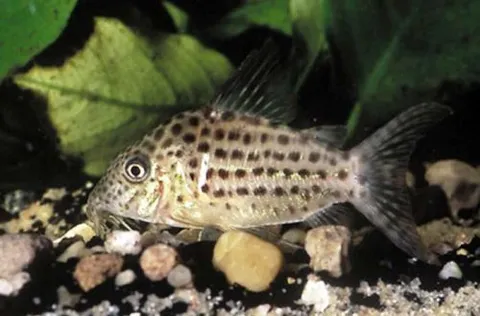
Corydoras maculifer
The scientific name of this catfish is Corydoras maculifer, also known as Maculifer Corydoras or Dotted Corydoras, and it belongs to the family Callichthyidae (Armored Catfish). This species was discovered relatively…
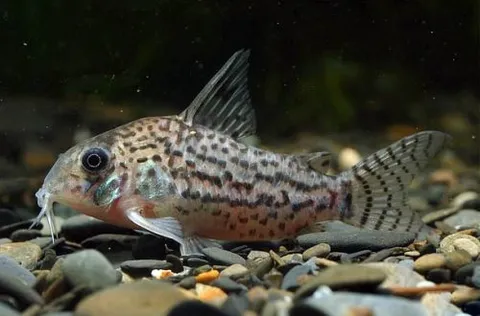
Corydoras acrensis
The Acre Corydoras, known as Corydoras acrensis, belongs to the armored catfish family, Callichthyidae. This fish gets its name from its discovery location – the Brazilian state of Acre, situated on the border with Peru…
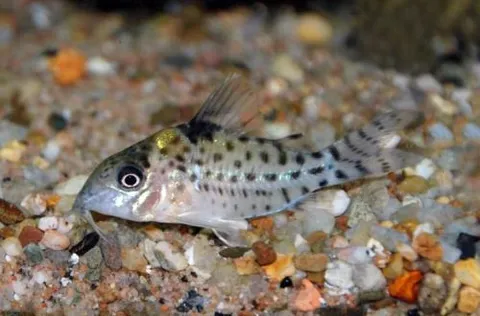
Corydoras ambiacus
The scientific name Corydoras ambiacus is applied to the Corydoras ambiacus catfish, or Cory Ambiacus catfish, which belongs to the family Callichthyidae (Armored or Callichthyid Catfish). Its homeland is South America,…
Corydoras geryi
The Bolivian Corydoras, scientifically known as Corydoras geryi, belongs to the family Callichthyidae (Armored Catfishes). This fish originates from South America, with its natural habitat concentrated in the Mamoré…