- Light
- medium
- Difficulty
- medium
- Height
- 10 – 20 cm (3.9 – 7.9 in)
- Temperature
- 16 – 32 °C (61 – 90 °F)
- Assam
- Bangladesh
- Borneo
- Cambodia
- China South-Central
- China Southeast
- Hainan
- India
- Japan
- Korea
- Malaya
- Manchuria
- Myanmar
- Nansei-shoto
- Nepal
- New Guinea
- Sulawesi
- Sumatera
- Taiwan
- Thailand
- Vietnam
Tank conditions
- Leaf colour
- green, red +1 green, red, bronze or brown
- Plant type
- stem plant
- Growth rate
- medium
- CO₂ demand
- medium
- Tolerates light
- medium – high
- pH
- 5 – 6
- Carbonate hardness
- 0 – 7 °dKH
- General hardness
- 0 – 30 °dGH
- Placement
- background, midground +1 background, midground, foreground
- Propagation
- cuttings, seeds, division +1 cuttings, seeds, division, daughter plants
- Grows emersed
- no
Care and keeping
Appearance
Keeping
Placement
Propagation
Fish and this plant
Water conditions match
The water suits 343 of 1249 species in the catalogue — these are the ones people look up most often.
Hypsolebias picturatusGeophagus BrokopondoBoraras naevusFestivum cichlidBetta unimaculataHummingbird TetraAphyosemion mimbonSix-banded BarbCallistusLadigesia roloffiBetta hendraAphyosemion scheeliReticulated BarbYellow TetraTrinidad TetraAnchor CatfishBetta persephoneJae BarbButterfly BarbMarbled WhiptailDwarf otoBetta mandorDwarf BotiaKuhli Loach
Will eat this plant
These species damage plants, especially when their diet is short of vegetable food.
Will uproot it
These species dig through the substrate and pull rooted plants out.
Peacock EelForktail LoachPainted PlecoGeophagus altifronsGeophagus winemilleri
Matching water does not mean the fish will leave the plant alone.
Cultivars
The same plant with a different look: light, water and care are shared with the species.
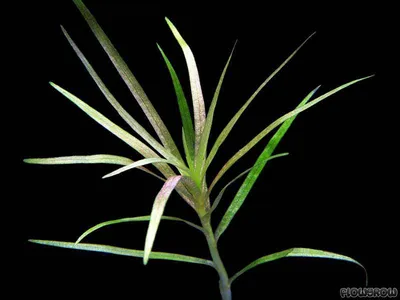
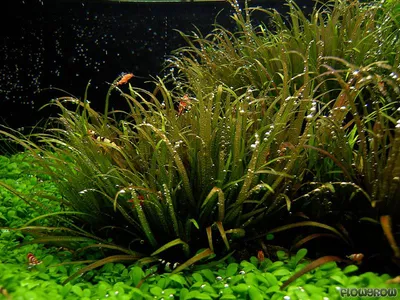
Other varieties: Blyxa alternifolia
Scientific and other names, conservation status
- Other scientific names
- Hydrilla alternifolia Miq., Blyxa alternifolia (Miq.) Hartog, Blyxa leiocarpa, Hydrilla japonica
- Blyxa japonica
- (Miq.) Maxim. ex Asch. & Gurke
- Family
- Hydrocharitaceae
- Conservation status
- LC